

Analog Play Returns: The New Wave of Tactile Toys
When the glow of a screen fades into the background, there’s a quiet hum of imagination that awakens. In my own home office, I keep a modest collection of wooden blocks, a tin of kinetic sand, and a set of magnetic tiles that never fail to spark a grin during a mid‑day break. These humble objects remind me that play isn’t just for kids—it’s a vital, regenerative practice for adults, too. The surge of interest in analog, hands‑on toys isn’t a nostalgic fling; it’s a cultural corrective to a world that’s been digitized to the point of sensory overload. In this piece, I’ll explore why tactile play is experiencing a renaissance, how it benefits mental health and creativity, and what this shift means for entrepreneurs and product makers looking to ride the wave.
The Sensory Deficit of a Screen‑First Society
We live in an era where touch screens dominate daily interactions. While the convenience of a swipe is undeniable, research shows that prolonged visual‑only engagement can dull fine‑motor skills and reduce the brain’s ability to process tactile information. Neuroscientists point out that the somatosensory cortex, the region responsible for processing touch, receives far less stimulation when our fingertips are glued to glass. This sensory deficit can manifest as increased anxiety, reduced focus, and a craving for physical engagement that modern devices simply can’t satisfy.
Enter analog toys: objects that demand grip, pressure, and manipulation. From the satisfying click of a wooden puzzle to the rhythmic motion of a kinetic sand mold, these toys re‑activate neural pathways that have been idle for too long. For professionals who spend eight hours a day in virtual meetings, a brief tactile interlude can reset the nervous system, improve concentration, and even boost problem‑solving abilities.
From Childhood Classics to Modern Minimalism
It’s tempting to think of analog play as a relic of the past—think wooden trains, rubber ducks, and cardboard forts. Yet designers are reimagining these classics with contemporary aesthetics and sustainable materials. Minimalist wooden toys, for instance, have shed the bright, plastic palettes of yesteryear in favor of natural finishes that age gracefully. Magnetic construction sets now feature sleek, matte metal pieces that snap together with a soft “clink,” turning the building process into a meditative ritual.
This blend of heritage and modern design resonates with consumers who crave authenticity. A well‑crafted wooden puzzle isn’t just a toy; it’s a statement piece that fits on a stylish desk, signaling that the owner values both function and form. In the same vein, audio‑focused marketing strategies are learning to showcase the subtle sounds of these toys—the click, the rustle, the soft thud—creating an immersive brand experience that goes beyond visual appeal.
Stress Relief and the Rise of Desk‑Friendly Fidget Tools
While many associate fidget spinners and cubes with the younger crowd, the market for adult‑oriented desk toys has exploded. These compact, unobtrusive tools—think kinetic sand tins, magnetic balls, or wooden gear sets—serve as micro‑breaks that prevent burnout. The act of moving a piece from one hand to the other engages the brain’s default mode network, a region linked to creativity and daydreaming.
Companies are taking notice. Some forward‑thinking workplaces now stock communal “play shelves” where employees can pick a tactile tool during a lull in the day. The results are measurable: reduced reported stress levels, higher employee satisfaction scores, and even an uptick in cross‑departmental brainstorming sessions. In fact, the technical playbook for engineers includes a dedicated section on incorporating physical prototyping tools to stimulate out‑of‑the‑box thinking.
Inclusive Design: Toys That Speak Every Language of Ability
One of the most exciting developments in the analog toy space is the focus on inclusive design. Traditional toys often overlook the needs of neurodiverse children and adults—those with sensory processing disorders, autism, or motor challenges. Designers are now creating tactile experiences that are adjustable in texture, weight, and resistance.
Examples include velcro‑covered blocks for kids who need a firm, reassuring grip, or sand‑filled cylinders that can be squeezed to varying degrees of firmness. By offering modular components, these toys empower users to customize their experience, fostering a sense of agency and confidence. The ripple effect is profound: families report better emotional regulation, educators note increased classroom engagement, and manufacturers see a loyal customer base that values ethical, thoughtful design.
Eco‑Conscious Play: Sustainability as a Core Feature
Environmental stewardship is no longer a buzzword; it’s a prerequisite for many consumers. The analog toy resurgence aligns perfectly with the push for sustainable products. Wooden toys sourced from responsibly managed forests, biodegradable packaging, and zero‑waste manufacturing processes are becoming the norm rather than the exception.
Brands that emphasize their carbon‑neutral supply chains not only attract eco‑mindful shoppers but also differentiate themselves in a crowded market. A well‑crafted wooden puzzle, for instance, can be passed down through generations, reducing the need for frequent replacements and minimizing landfill waste. This longevity transforms a simple toy into a legacy item—something that families cherish and talk about for years.
Monetizing the Tangible: Business Opportunities in a Digital Age
For SaaS entrepreneurs, the analog toy trend offers a surprising avenue for diversification. Imagine a subscription service that delivers curated tactile kits—each month a new theme, from “urban architecture” to “nature’s textures.” Coupled with a digital companion app that offers guided mindfulness exercises, the offering blends the best of both worlds.
Moreover, the data gathered from user interactions (with consent) can inform product development cycles, similar to how AI‑enhanced toys are shaping learning pathways. By analyzing which tactile elements spark the most engagement, companies can iterate on designs, creating a feedback loop that drives continuous improvement.
Community Building Around Analog Play
Online communities have traditionally revolved around digital experiences—gaming forums, streaming chats, and social media groups. Yet there’s a burgeoning movement of “maker” collectives that gather around analog play. These groups host monthly “build nights,” where members bring their magnetic sets or wooden blocks to collaboratively construct large‑scale installations.
Such gatherings foster a sense of belonging that transcends geographic boundaries. Participants share photos, tutorials, and even source recommendations, creating a peer‑to‑peer ecosystem that fuels brand loyalty. For businesses, sponsoring or facilitating these events can be a low‑cost, high‑impact marketing strategy that positions the brand as a catalyst for creativity.
Future Forecast: The Hybrid Playground
Looking ahead, the line between analog and digital will blur further, but the core desire for tactile engagement will remain. Expect to see toys that combine physical components with subtle digital enhancements—think wooden blocks that emit a soft tone when aligned correctly, or sand kits that sync with a meditation app to track breathing patterns.
These hybrid experiences will cater to a generation that values both authenticity and innovation. Companies that can balance sustainability, inclusivity, and sensory richness will lead the market, while those that chase fleeting tech trends without grounding them in tangible value may struggle to retain relevance.
Actionable Takeaways for Creators and Marketers
- Invest in quality materials. Natural wood, metal, and organic fabrics not only appeal aesthetically but also support sustainability narratives.
- Design for adaptability. Offer modular components that can be customized for different sensory needs.
- Leverage community. Host or sponsor tactile play events to build brand advocates.
- Integrate subtle tech. Use low‑impact digital features—like sound or light cues—to enhance, not dominate, the tactile experience.
- Tell a story. Share the journey of your toy’s creation, from sourcing to crafting, to connect emotionally with consumers.
Analog play isn’t just a nostalgic footnote; it’s a dynamic, growing sector that speaks to our innate need for touch, focus, and mindful engagement. Whether you’re a designer, marketer, or simply someone who enjoys the satisfying click of a wooden puzzle, now is the perfect time to explore the tactile frontier. Embrace the textures, the sounds, and the simple joy of hands‑on creation—you might just discover a new source of inspiration for both work and play.

Related Posts

The Evolution of Play: How Collectible Toys Are Redefining Childhood
Collectible toys are transforming the way children play, offering a unique and imaginative play expe... Read More
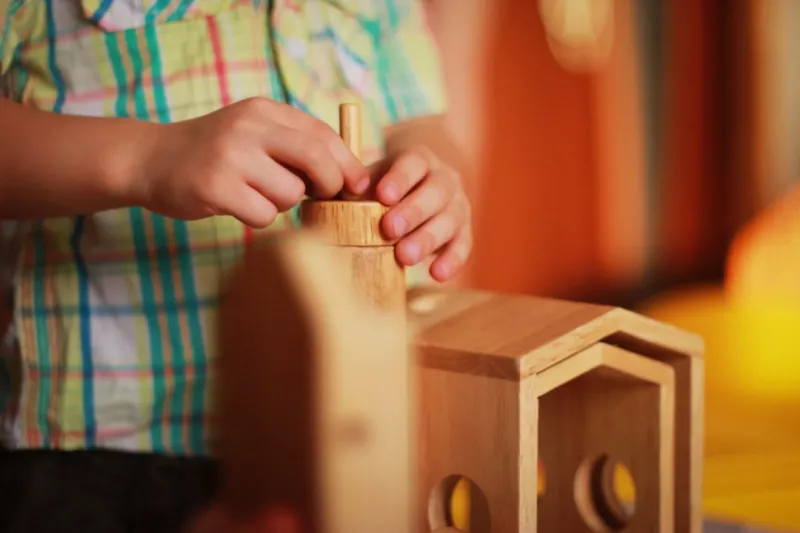
The Toy Renaissance: How Smart, Sustainable Play Is Redefining the Market in 2024
Ryan Stuart dives into the 2024 toy renaissance, revealing how smart tech, sustainability, and commu... Read More
Playful Disruption: Subscription Toy Boxes Redefine Home Entertainment
Subscription toy boxes blend surprise, community, and data-driven curation to create a new ritual of... Read More
Top Posts

Why Your SEO Strategy Needs a Storytelling Blueprint (and How to Build One)
Learn to transform ordinary content into a compelling narrative that satisfies both users and search engines, using a step‑by‑step storytelling blueprint th...Read More

Turning Creative Fatigue into Opportunity: Micro‑Community Strategies for Modern Social Media Advertising
Learn to revitalize your social media ads by targeting micro‑communities, using AI‑generated creatives, and implementing real‑time listening for higher en...Read More
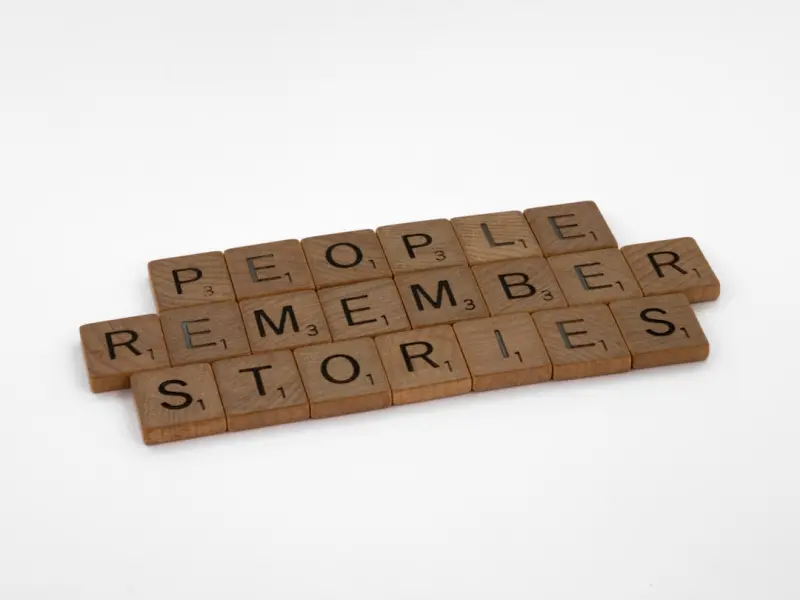
No‑Code Interactive Storytelling for SaaS Content
Learn why static content falls short for SaaS audiences and how no‑code interactive storytelling can transform feature lists, quizzes, and calculators into pe...Read More
Optimizing Your Website for Voice Search: The Future of On-Page SEO
Optimizing your website for voice search is crucial for businesses that want to stay ahead of the competition. Learn how to optimize your content and technical ...Read More
0 Comments
Post Comment
You will need to Login or Register to comment on this post!