
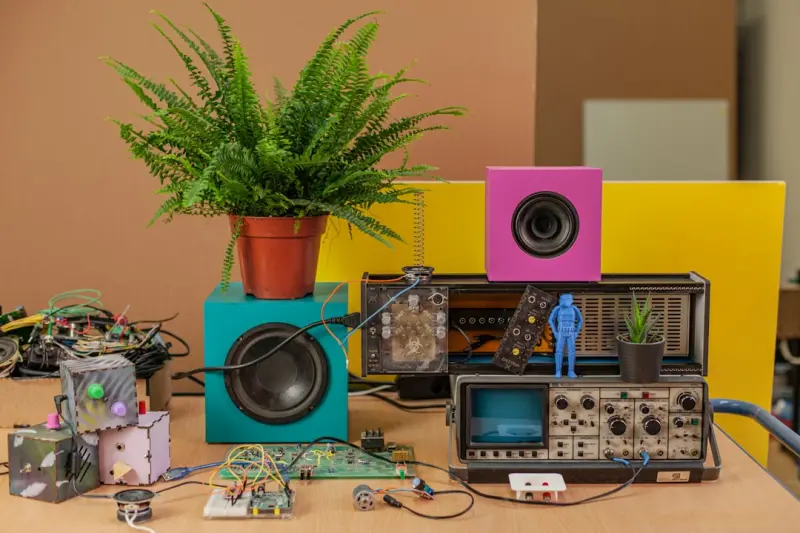
When I was a kid, my favorite playground was the backyard – a patch of dirt, a cardboard box, and a handful of mismatched Lego pieces. Fast‑forward to today, and the toys aisle is a neon‑lit labyrinth of screen‑powered gizmos, subscription crates, and “smart” plush pals that can read your child’s emotions. Yet, amidst the digital din, there’s a quiet rebellion brewing: parents and kids alike are rediscovering the magic of analog, sustainable, and downright DIY play experiences.
The Analog Resurgence: Why Kids Still Crave Tangible Fun
It might sound counter‑intuitive, but the very things that once seemed outdated are now the hottest ticket in town. According to recent market surveys, sales of wooden puzzles, fabric dolls, and classic board games have surged by double digits. The reason isn’t nostalgia alone; it’s the psychological payoff of tactile interaction.
- Sensory Development: Handling physical objects stimulates fine motor skills and hand‑eye coordination far more effectively than swiping a screen.
- Imagination Boost: When a child isn’t handed a pre‑programmed storyline, they become the author, crafting narratives from the simplest of props.
- Family Connection: Board games and building sets demand face‑to‑face interaction, turning game night into genuine bonding time.
For me, the shift was personal. After my youngest turned five, I swapped out the latest AI‑driven robot for a set of wooden train tracks. Watching her line up the cars, giggle when they toppled, and then rebuild – it was pure, unfiltered joy.
Eco‑Play: Sustainable Toys as a Lifestyle Statement
Beyond the joy factor, there’s a growing awareness that toys can be a vehicle for environmental stewardship. Parents are scrutinizing supply chains, opting for toys made from reclaimed wood, recycled plastics, and organic cotton. Brands that champion transparency – publishing carbon footprints, sourcing certifications, and even offering take‑back programs – are winning the loyalty of eco‑conscious families.
One standout example is a company that turns discarded ocean plastics into vibrant building bricks. Not only does the product reduce waste, it also serves as a teach‑able moment: every time a child clicks two pieces together, they’re reminded of the larger story of ocean health.
From a marketing perspective, these brands are tapping into an emotional narrative that resonates deeply with modern caregivers. If you’re a toy manufacturer, weaving sustainability into your brand story isn’t just good PR – it’s a long‑term growth engine.
Subscription Toy Boxes: The Curated Play Experience
Enter the subscription model, a clever blend of surprise, convenience, and curation. Instead of wandering endless aisles, parents receive a monthly box tailored to their child’s age, interests, and developmental milestones. The boxes often include a mix of classic toys, DIY kits, and educational challenges.
What makes this model tick?
- Personalization: Algorithms analyze past preferences and developmental data to fine‑tune each shipment.
- Discovery: Children are introduced to toys they might never have encountered in a traditional store.
- Reduced Clutter: Items are designed to be used, then returned or repurposed, keeping household toy piles manageable.
From a growth standpoint, the subscription approach generates recurring revenue, deeper data insights, and higher customer lifetime value. It’s a win‑win for both businesses and families looking for fresh, purposeful play.
DIY & Upcycling: Turning Everyday Objects into Play
One of the most exciting trends I’ve observed is the surge in DIY toy projects. Parents are repurposing cardboard boxes into forts, turning old t‑shirts into puppets, and using kitchen utensils to create makeshift musical instruments. This not only fuels creativity but also teaches kids the value of resourcefulness.
Platforms like Pinterest and Instagram are awash with step‑by‑step guides, and many toy brands are jumping on board, releasing “maker kits” that combine their core products with open‑ended components. A simple set of wooden blocks paired with a bag of paint and a sheet of sandpaper can become a mini‑workshop for budding architects.
Here’s a quick DIY you can try tonight: Cardboard Castle. Grab three large boxes, cut out windows and doors, tape them together, and let your child decorate with markers, stickers, and fabric scraps. The result? A kingdom that sparks imagination and a family activity that costs next to nothing.
Learning Through Play: Gamified Education Without the Screen
Educational toys have long promised to make learning fun, but the most effective ones are those that blend play with pedagogy without relying on a screen. Think of magnetic letter sets, pattern‑building puzzles, and hands‑on science kits that let kids conduct safe experiments.
These tools work because they align with the zone of proximal development – they present challenges just beyond a child’s current ability, encouraging growth through guided discovery. Moreover, they foster a growth mindset, as children see errors as part of the learning process rather than a “failure” flagged by a digital interface.
For parents seeking to balance tech use, integrating a few of these analog learning toys into daily routines can offset screen fatigue while still delivering measurable skill development.
From Toy Shelf to Community Hub: Building Tribes Around Play
In today’s hyper‑connected world, even analog toys can become the nucleus of vibrant online communities. Brands are creating forums, Instagram challenges, and virtual playdates centered around their physical products. By encouraging users to share creations, modifications, and play stories, they turn a simple toy into a cultural touchpoint.
Take, for example, a popular wooden puzzle brand that launched a turn your SaaS community into an SEO engine style campaign. Parents posted videos of their kids solving puzzles in creative ways, using a dedicated hashtag. The brand then featured the best clips on its website, driving traffic and fostering a sense of belonging.
This community‑first approach not only amplifies word‑of‑mouth marketing but also generates a steady stream of user‑generated content – a goldmine for future campaigns.
Integrating Digital Support Without Overwhelming
While the focus here is on analog experiences, that doesn’t mean technology is off the table. The sweet spot lies in offering subtle digital support that enhances, rather than dominates, play.
- AR Enhancements: A simple board game can include an optional AR overlay that reveals hidden clues when viewed through a phone camera.
- Online Guides: Brands can host tutorial videos, printable activity sheets, and community forums to help parents maximize the toy’s potential.
- Data‑Driven Personalization: Subscription services can use purchase data to recommend new analog toys, creating a seamless blend of physical and digital touchpoints.
When executed thoughtfully, these digital layers act as a bridge, not a barrier, preserving the core tactile experience while adding value.
The Business Case: Why Toy Companies Should Embrace This Shift
From a commercial angle, the analog resurgence isn’t a fleeting fad; it’s a strategic inflection point. Companies that double down on sustainable materials, curated subscriptions, and community‑driven storytelling are poised to capture a premium segment of the market.
Here are three actionable steps for toy makers:
- Audit Your Supply Chain: Ensure materials are responsibly sourced and communicate this clearly to consumers.
- Develop a Subscription Pipeline: Start with a pilot box for a specific age group, gather feedback, and iterate.
- Leverage Content Playbooks: Use interactive content playbooks to craft immersive demos that showcase how your analog product can be integrated into everyday life.
By aligning product development with the values of modern families – sustainability, personalization, and authentic connection – brands can not only boost sales but also cultivate lifelong advocates.
Looking Ahead: The Future of Play Is Both Hands‑On and Heart‑Centered
As we navigate a world saturated with screens, the most powerful toys will be those that invite children to unplug, create, and engage with the world around them. The future isn’t about discarding technology; it’s about using it judiciously to amplify the joy of tactile, sustainable, and community‑rich play.
So the next time you walk past a sleek, glowing gadget on the shelf, consider reaching for the wooden puzzle, the cardboard fort kit, or the subscription box that promises a new adventure every month. Those humble choices might just shape the next generation of innovators, storytellers, and caretakers of our planet.

Related Posts
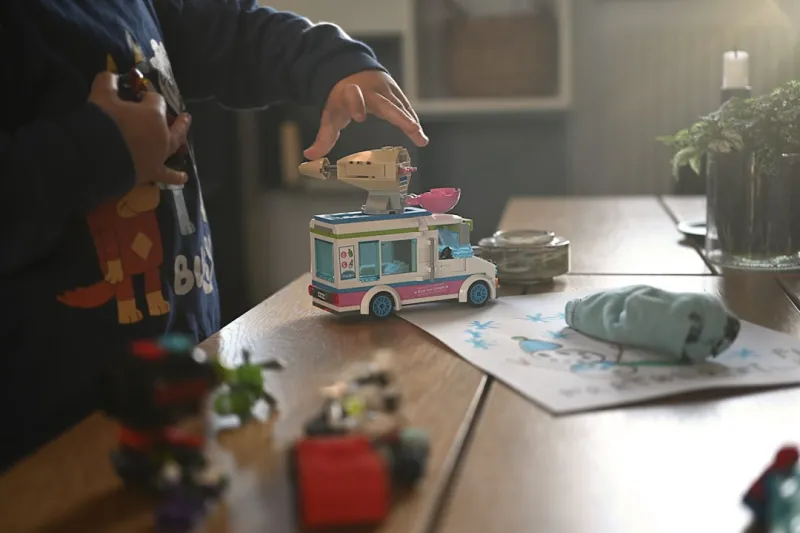
The Evolution of Play: How Collectible Toys Are Redefining Childhood
Collectible toys are redefining childhood through play, creativity, and social connections. Learn mo... Read More
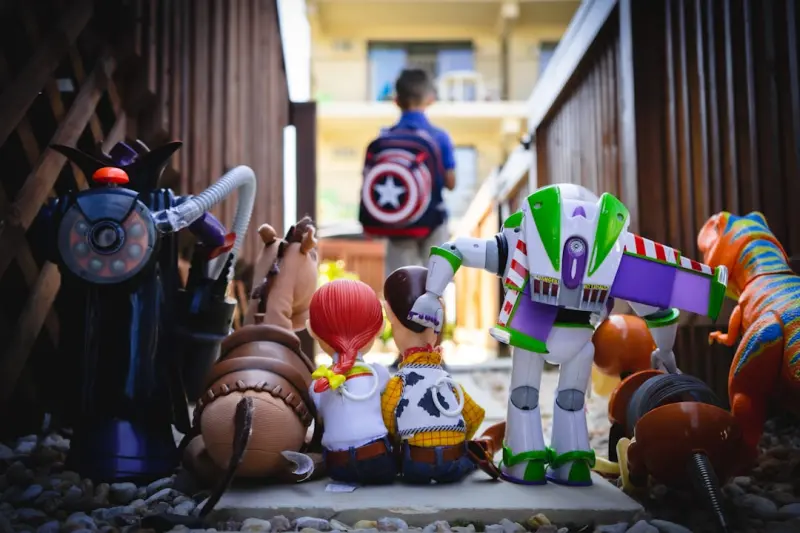
Finding the Green Playroom: A Guide to Eco‑Friendly Toys That Delight and Sustain
Explore a step‑by‑step guide to selecting eco‑friendly toys that blend fun, durability, and su... Read More

The Evolution of Collectible Toys: A Collector's Perspective
Collectible toys have come a long way, from vintage dolls to limited-edition figurines. Learn about ... Read More
Top Posts

When Google Starts Ranking Entities Over Keywords: A SaaS Playbook
Google’s algorithms now prioritize entities and semantic relationships over exact‑match keywords. This guide shows SaaS marketers how to map, structure, and...Read More
A Blueprint for Scalable Content Governance in SaaS
Effective content governance ties every asset to business goals, clarifies roles, and automates workflows, turning chaotic content creation into a strategic gro...Read More

From Noise to Narrative: Transforming Social Media into a SaaS Knowledge Engine
A step‑by‑step guide shows how to map conversations, build a real‑time listening dashboard, and turn insights into micro‑stories that feed product roadm...Read More
Interactive Tools: The Next Frontier in Scalable Link Building
Learn how to create and promote interactive tools that naturally earn backlinks, drive traffic, and build lasting authority for your site....Read More
0 Comments
Post Comment
You will need to Login or Register to comment on this post!