
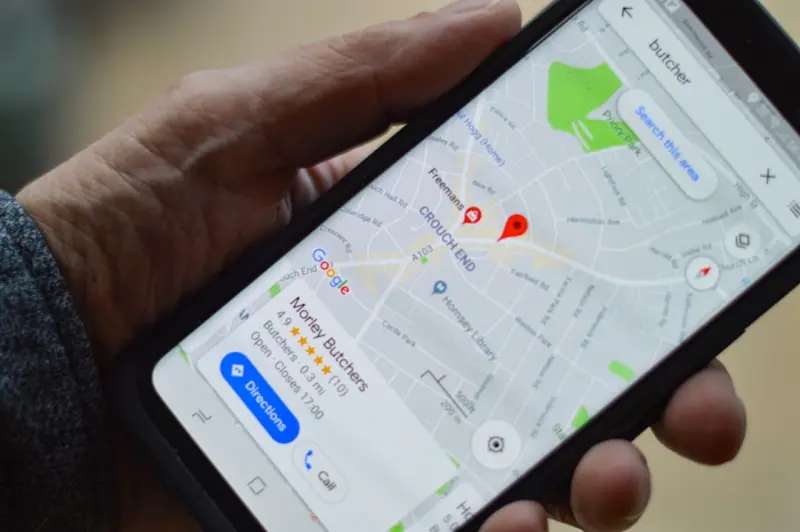
Why Community Events Are the Secret Sauce for Local SEO
When most SaaS marketers think about local search, the first thing that pops into their heads is the classic Google Business Profile checklist: accurate NAP, a handful of reviews, and a well‑crafted description. That checklist is still important, but it’s only the foundation. What I’ve discovered over the past few years is that the real differentiator for local visibility is social proof that exists outside of the digital realm. Community events—whether you’re sponsoring a local tech meetup, hosting a workshop, or partnering with a nearby nonprofit—create a ripple of real‑world signals that Google (and other search engines) love.
From “Just Another Business” to “Local Hub of Knowledge”
Think of your SaaS product as a solution to a problem, not just a line of code. When you step into a community space and share that solution, you’re doing two things at once:
- Building authority. Local journalists, bloggers, and micro‑influencers often cover community events. Their coverage generates high‑quality backlinks that are geographically relevant.
- Generating citations. Event listings on city calendars, chamber of commerce sites, and industry association pages become fresh citations that reinforce your business’s legitimacy.
These signals are more potent than a self‑generated review because they come from independent, trusted sources. In the eyes of search engines, this is a strong indicator that your SaaS offering is truly embedded in the local ecosystem.
How to Choose the Right Events for Maximum SEO Impact
Not every gathering will boost your rankings. The goal is to align the event’s audience, relevance, and local reach with your business objectives. Here’s a quick framework I use:
- Audience Fit. Target events where participants are likely to be decision‑makers or influencers in the industries you serve. A local fintech meetup is gold if you sell a payments platform.
- Geographic Relevance. Prioritize events that are listed on city or regional calendars. These listings often get indexed quickly and carry a strong local signal.
- Content Opportunity. Choose events that let you showcase thought leadership—keynotes, panels, or hands‑on labs. This creates content you can repurpose for blogs, podcasts, and social posts.
- Partner Credibility. Co‑hosting with a reputable local organization (e.g., a university incubator or a trade association) instantly transfers some of their trust to your brand.
Step‑by‑Step: Turning an Event Into a Local SEO Powerhouse
Once you’ve secured a spot on the local event calendar, follow this tactical checklist to squeeze every SEO ounce out of the experience.
1. Claim Every Listing Before It Goes Live
Reach out to the event organizer and ask to be listed as an official sponsor or speaker on their web page. If they don’t have a dedicated page, create a dedicated landing page on your own site that mirrors the event details. Include:
- Event name, date, and venue (with exact address)
- A short paragraph describing your role and the value you’ll bring
- Structured data markup for
Eventschema (this is a quick win for visibility in rich results)
2. Leverage Structured Data for Real‑World Signals
Embedding Event and LocalBusiness schema on both your site and the organizer’s page signals to Google that the event is legitimate and locally relevant. If you need a refresher on how to implement schema, check out this deep dive on server‑side SEO tactics that walks through JSON‑LD best practices.
3. Capture High‑Quality Visual Assets
Photos, videos, and live‑stream recordings aren’t just for your social feed—they become assets for local citations. After the event, upload a gallery to your Google Business Profile. Google often pulls images from GMB to enrich its local packs, giving you an extra visual ranking signal.
4. Encourage On‑Site Reviews
During the event, hand out QR codes that link directly to your Google review form. A short, polite prompt like “Loved the workshop? Let us know in a quick review!” can generate fresh, location‑specific feedback that boosts your star rating and local rankings.
5. Turn the Event Into Link‑Worthy Content
Publish a post‑event recap on your blog, embed the speaker deck, and tag the partners. Reach out to the local press with a concise press release—most community newspapers love free content. When they publish, you’ll earn backlinks from domains that already have strong local authority.
6. Amplify on Social with Geo‑Targeted Hashtags
While social signals themselves don’t directly affect rankings, they increase the likelihood of third‑party coverage. Use city‑specific hashtags (#SeattleTech, #AustinStartups) and encourage attendees to share their takeaways. This user‑generated content often surfaces in local news aggregators, creating another citation source.
Measuring the SEO ROI of Community Events
It’s tempting to assume that every event will instantly boost your local pack position, but the reality is more nuanced. Here’s how I track performance:
- Impressions in Google Business Profile Insights. Look for spikes in searches for your brand name and related service terms within a 30‑day window after the event.
- Local Pack Rankings. Use a rank‑tracking tool that allows you to monitor “near me” queries (e.g., “project management SaaS near me”). Track changes week over week.
- Referral Traffic from Event Listings. Set up UTM parameters on every event landing page. A surge in referral traffic from .gov or .org domains often correlates with higher local authority.
- New Citations and Backlinks. Run a quarterly citation audit. Each new citation from a reputable local source can be weighted as a +0.5 boost in your internal SEO scorecard.
When you combine these metrics, you’ll see a clear picture of how community engagement translates into search visibility.
Case Study: Turning a Local Hackathon Into a Ranking Engine
One of my SaaS clients—an AI‑driven analytics platform—decided to sponsor a 48‑hour hackathon at a regional university. Here’s the outcome:
- Pre‑Event Visibility. The university’s event page, already ranking on the first page for “tech hackathon in City,” included our client’s logo and a link to their custom landing page.
- Post‑Event Coverage. Two local tech blogs published write‑ups, each awarding a
dofollowbacklink. One of the articles was picked up by a regional news outlet, resulting in a .gov citation. - Google Business Boost. Within two weeks, the client saw a 27% increase in local profile views and climbed from position 5 to position 2 for the “analytics SaaS near me” query.
- Lead Generation. The event generated 150 new sign‑ups, with a conversion rate 1.8× higher than their baseline inbound flow.
This example illustrates that the SEO impact of a well‑chosen community event can be both immediate (traffic spikes) and long‑term (sustained local authority).
Beyond Events: Building a Local SEO Ecosystem
Events should be a pillar, not the whole house. Pair them with these ongoing tactics for a holistic local strategy:
- Partner Content Series. Co‑author blog posts with local industry groups. Each piece can include location‑specific schema and embed a link back to your GMB profile.
- Geo‑Targeted Landing Pages. Create micro‑pages for each city you serve, weaving in local case studies and testimonials.
- Community Sponsorships. Sponsor a local sports team or charity run. Even a small banner on the organization’s website can generate a valuable citation.
- Local FAQ Pages. Answer city‑specific questions (“How does data privacy regulation differ in City?”). For a deep dive on tailoring content to spoken queries, see this guide on optimizing for spoken queries.
Common Pitfalls and How to Avoid Them
While community events are powerful, a few missteps can dilute their SEO value:
- Skipping Structured Data. Without proper schema, Google may miss the event entirely, reducing the chance of rich results.
- Neglecting Follow‑Up. Publishing a recap is non‑negotiable. Failing to do so means you lose out on fresh content and backlinks.
- Over‑Optimizing Anchor Text. When you link back from the event page, keep anchor text natural (e.g., “partnered with XYZ SaaS”) rather than forcing exact‑match keywords.
- Ignoring Mobile Users. Most local searches happen on mobile. Ensure your event landing pages load quickly and are mobile‑friendly.
Putting It All Together: Your 90‑Day Community‑First Local SEO Plan
Here’s a concise roadmap you can start implementing tomorrow:
- Week 1‑2: Identify 3‑5 local events that align with your target audience. Reach out to organizers and secure a speaking slot or sponsorship.
- Week 3‑4: Build dedicated event landing pages with
Eventschema and UTM tracking. Add a QR‑code for on‑site reviews. - Week 5‑6: Execute the events. Capture high‑resolution photos, videos, and attendee testimonials.
- Week 7‑8: Publish post‑event recaps, distribute press releases, and share visual assets on GMB and social channels.
- Week 9‑12: Conduct an SEO audit: track rankings, citations, and referral traffic. Adjust the next round of events based on data.
By the end of the quarter, you should see measurable improvements in local visibility, an uptick in qualified leads, and a stronger reputation within your community.
Final Thoughts: The Human Element Behind the Algorithm
Local SEO isn’t just about ticking boxes; it’s about becoming a trusted member of the neighborhoods you serve. When you invest in community events, you’re sending a clear signal to both people and search engines: “We’re here, we care, and we’re ready to help.” That signal is far more durable than a single review or a keyword‑dense description. So the next time you map out your SEO roadmap, make room for a calendar full of local gatherings—you’ll be surprised how far a handshake can take you in the digital world.

Related Posts
Local SEO for SaaS: Turning Physical Touchpoints Into Search Engines
Discover a practical, data‑focused approach to local SEO for SaaS businesses, covering profile opt... Read More

How Neighborhood Storytelling Turns Your Local SEO Into a Community Magnet
Discover a fresh approach to local SEO that leverages authentic neighborhood stories, micro‑locati... Read More

Local SEO in 2024: Navigating the Shifting Landscape
Learn about the latest Local SEO trends and best practices for 2024. Get expert insights on optimizi... Read More
Top Posts

Zero‑Click Mastery: How SaaS Brands Can Capture the Spotlight Without a Click
Zero‑click results now dominate the SERP, offering SaaS marketers a chance to be the answer before a user even clicks. This guide walks you through auditing c...Read More

Decoding Technical SEO for SaaS: From Logs to Edge
A deep dive into the overlooked technical SEO levers for SaaS—server‑log mining, advanced structured data, edge‑network tactics, and CI/CD integration—t...Read More
The Community‑Centric Playbook: Turning Social Platforms into Growth Engines
A fresh, community‑first approach to social media transforms followers into co‑creators, using real‑time signals, micro‑influencers, and adaptive conten...Read More

The Evolution of Content Marketing: Navigating the Shifting Landscape
Content marketing has undergone significant changes in recent years. Learn how to adapt your strategy to meet the evolving needs of your audience and drive resu...Read More
0 Comments
Post Comment
You will need to Login or Register to comment on this post!