

Rethinking Content Creation as a Human‑First Ritual
When the noise of metrics fades, I find that the most resonant work emerges from a disciplined ritual rather than a frantic chase for clicks, and this shift has transformed my entire approach to storytelling. I start each session by clearing my mind, lighting a candle, and sketching the emotional arc I want my audience to travel, a habit that anchors creativity in purpose instead of pressure. Over time this human‑first framework has become the secret engine behind pieces that feel less like marketing copy and more like genuine conversation.
The Sensory Canvas: Writing With Sight, Sound, and Touch
Traditional copy often relies on visual language alone, but I now layer auditory metaphors and tactile descriptors to paint a multi‑dimensional experience that readers can almost feel, hear, and see simultaneously. By describing the crisp snap of a fresh idea like a winter apple or the low hum of a brand’s ethos as a distant drum, I activate the brain’s mirror neurons, prompting deeper emotional engagement. This sensory richness not only differentiates the content but also increases the time readers linger, a subtle yet powerful signal to search engines.
Borrowing From Narrative Psychology to Shape Stories
Every piece I craft is guided by the timeless archetypes identified in narrative psychology—hero, mentor, threshold guardian—and I map my brand’s journey onto these roles to give it a mythic resonance that feels both familiar and fresh. I deliberately place conflict and transformation at the core, allowing readers to see themselves reflected in the struggle and triumph, which fuels shareability and brand loyalty. When the story aligns with innate human patterns, the content transcends a single post and becomes a lasting mental imprint.
Designing a Creator’s Habit Loop for Consistent Output
The secret to sustainable creation lies in a habit loop composed of a clear trigger, a focused action, and an immediate reward, and I have wired each of my work sessions to follow this pattern. My trigger is a simple ritual—checking a handwritten “idea board”—which signals the brain that it’s time to shift into creative mode; the action is a 25‑minute sprint using the Pomodoro technique, and the reward is a quick note of gratitude that reinforces the behavior. This loop trains the mind to associate content creation with positive reinforcement rather than fatigue.
Integrating Micro‑Breaks to Preserve Mental Stamina
Long stretches of writing can erode clarity, so I intersperse micro‑breaks that involve a physical movement, a splash of cold water, or a brief meditation, each lasting no more than two minutes, to reset neural pathways and keep ideas sharp. Research shows that these short interruptions boost dopamine levels, which in turn fuels creative bursts and prevents the dreaded “writer’s block” that plagues many creators. By honoring the brain’s natural rhythm, I maintain high‑quality output without the burnout that traditional marathon sessions cause.
Using Data as a Compass, Not a Dictator
Analytics are invaluable, but I treat them as a north star rather than a strict roadmap, allowing intuition to steer the creative ship while data points correct the course when necessary. For instance, after publishing a piece, I review engagement metrics and ask myself what emotional trigger sparked the highest response, then double‑down on that element in future drafts. This balanced approach is echoed in the Content Experience Blueprint, which reminds creators that storytelling depth should guide metric‑driven tweaks.
Cross‑Modal Repurposing: Translating Content Across Senses
One powerful strategy I employ is to reimagine a blog post as a short video script, an audio snippet, and even an interactive infographic, ensuring that the core message vibrates through multiple sensory channels. By extracting key phrases and pairing them with appropriate visuals or sound bites, I extend the lifespan of each idea while reaching audiences who prefer different consumption habits. This cross‑modal repurposing not only amplifies reach but also reinforces brand recall through varied sensory touchpoints.
Feedback Loops That Feel Like Conversations, Not Surveys
Instead of relying on cold surveys, I embed conversational prompts within the content—questions, polls, or “reply with your story” invitations—that invite readers to share their personal experiences in real time. These organic interactions generate authentic insights that I can weave back into future pieces, creating a virtuous cycle where audience input directly shapes the narrative. The result is a dynamic dialogue that builds community trust while continuously sharpening the relevance of my work.
Embracing the Craft: From Idea to Living Artifact
At the end of the day, content creation is less about ticking boxes and more about sculpting ideas into living artifacts that breathe, move, and resonate with real people, and I treat every piece as a small masterpiece rather than a checklist item. By honoring rituals, sensory depth, psychological arcs, and balanced data, I’ve built a workflow that feels both artistic and strategic, allowing me to produce work that stands the test of time. I invite fellow creators to adopt these practices, experiment boldly, and watch their content evolve from mere words into immersive experiences.

Related Posts

Building a Habit‑Driven Content Engine: Consistency, Collaboration, and Authenticity
Learn to turn content creation into a habit with rituals, teamwork, and smart repurposing, deliverin... Read More
The Human‑Centric Playbook for Sustainable SaaS Content Creation
A practical guide that outlines a four‑stage “Idea‑to‑Asset” loop, narrative architecture,... Read More

From Pillar to Pixel: Multiplying SaaS Content Impact
Discover the Pillar‑to‑Pixel workflow that extracts core insights from deep‑dive content, repu... Read More
Top Posts
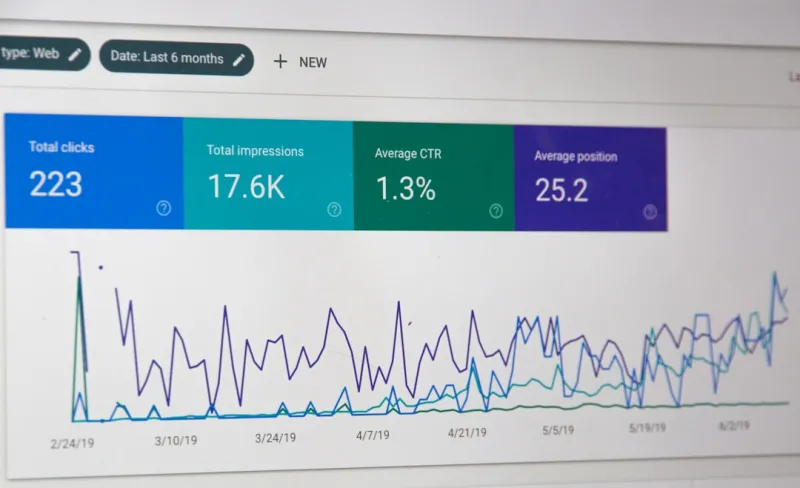
Mobile SEO Mastery: Boost Rankings on the Go
Unlock the secrets of mobile SEO with expert strategies that blend technical precision and user empathy, delivering faster load times, higher rankings, and deep...Read More

Turning Customer Success Signals into a Self‑Fueling Content Engine
Discover a practical six‑step framework that transforms customer success data into high‑impact content, aligns teams, and builds a self‑optimizing content...Read More

Real‑Time On‑Page SEO: Turning Every Visit Into a Ranking Signal
Mei Chen shares a fresh, agile approach to on‑page SEO, showing how real‑time user signals, adaptive content blocks, and dynamic schema can transform SaaS p...Read More

Beyond Keywords: Crafting Intent‑Driven On‑Page Experiences for SaaS
A fresh look at on‑page SEO for SaaS: map search intent to the buyer’s journey, build intent‑focused content blocks, and optimize performance to turn rank...Read More
0 Comments
Post Comment
You will need to Login or Register to comment on this post!