
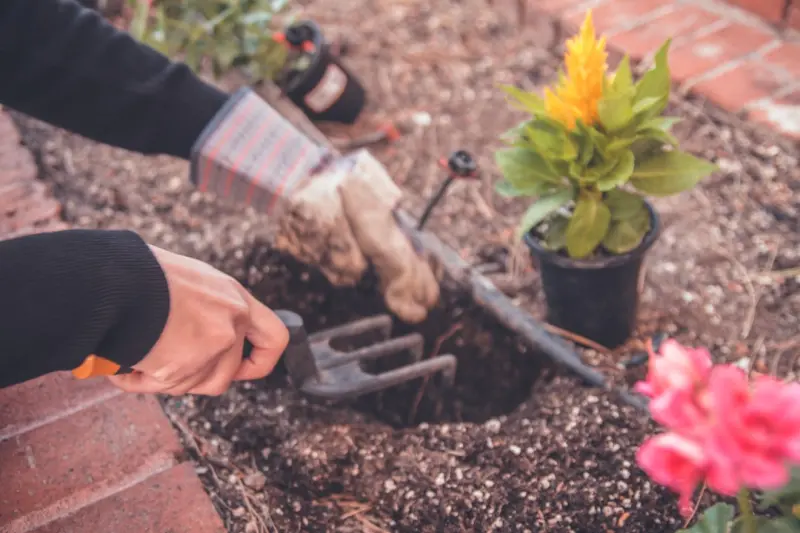
Why Treating Your Content Library Like a Garden Changes Everything
When I first stepped into the world of SaaS marketing, my notebook looked more like a battlefield report than a garden plan. I was busy hunting for the next headline, the next case study, the next viral tweet—each piece treated as an isolated conquest. It worked, but the fatigue was real, and the results were as fleeting as a summer bloom.
One rainy afternoon, I was pruning my own balcony garden (yes, I grow herbs on a windowsill). Watching the vines intertwine, I realized I was instinctively applying a principle I’d never thought about in content work: systems thinking. A garden thrives not because you plant a single tomato seed and walk away, but because you nurture soil health, rotation, and inter‑plant relationships. That epiphany sparked a radical shift in my approach to content creation.
The “Content Garden” Metaphor: More Than a Cute Analogy
A garden is a living, breathing ecosystem. It has:
- Rooted foundations: soil, nutrients, water sources.
- Seasonal rhythms: planting, pruning, harvesting.
- Interconnected species: companion planting that boosts resilience.
Translate that into content, and you get:
- Rooted foundations: core brand pillars, tone of voice, audience personas.
- Seasonal rhythms: editorial calendars, campaign cycles, product releases.
- Interconnected species: repurposed assets, cross‑channel narratives, SEO‑driven linkages.
When you view each article, video, infographic, or tweet as a plant in a larger garden, you start asking different questions: How does this piece feed the soil? Which other assets will benefit from its nutrients? When is the right time to plant it for maximum yield?
From Solo Scribbles to a Living Content Garden
In the early days of my career, I was a lone writer with a stack of ideas and an ever‑growing to‑do list. The From Brainstorm Chaos to a Self‑Sustaining Content Engine post taught me how to capture ideas, but it didn’t solve the deeper problem: the lack of a sustainable ecosystem.
Here’s how I turned chaos into cultivation:
- Map Your Soil. Conduct an audit of existing assets, noting topics, formats, performance metrics, and audience segments. This becomes your “soil health report.”
- Identify Companion Content. Pair high‑performing pieces with under‑performing but thematically related assets. For example, a well‑ranked blog on “API onboarding” can be paired with a short video tutorial, a downloadable checklist, and a LinkedIn carousel that all reference each other.
- Schedule Planting Cycles. Align new content releases with product milestones, industry events, or seasonal trends. Use a visual calendar that resembles a planting schedule—think “seedlings in March, bloom in June, harvest in September.”
- Rotate and Prune. Regularly revisit older assets. Update data, refresh visuals, add internal links, or spin them into new formats. Pruning prevents “content rot” and keeps SEO juice flowing.
Designing the Garden Path: User Journey as a Walk Through Your Beds
Imagine a website visitor strolling through a garden path. They first encounter a fragrant herb garden (top‑of‑funnel blog post), then a thriving vegetable patch (in‑depth guide), and finally a fruit orchard (case study with ROI data). Each stop feels intentional, offering a new sensory experience while guiding the visitor toward the ultimate harvest: a qualified lead.
The Designing Immersive Content Experiences That Convert article gave me the tools to craft visual and interactive elements, but the garden metaphor adds a layer of intentional sequencing. You’re no longer just adding immersive touches; you’re curating a purposeful walk that nurtures curiosity and trust.
Companion Planting for SEO: The Hidden Power of Internal Links
Just as beans fix nitrogen for corn, well‑placed internal links enrich the SEO “soil.” Every time you link a newer article to an older cornerstone piece, you:
- Signal relevance to search engines.
- Distribute link equity, boosting the authority of less‑ranked pages.
- Guide readers deeper into the content garden, increasing dwell time.
Make it a habit to map at least two internal links for each new asset—one to a foundational piece and one to a complementary, perhaps less‑visited, article. Over time, you’ll see a healthier “link canopy” that protects the garden from the harsh winds of algorithm updates.
Seasonal Content: Leveraging Industry Cycles
Every industry has its own seasonal rhythm. In SaaS, product launches, conference seasons, and fiscal quarters act as natural planting windows. Align your content creation calendar with these cycles:
- Pre‑Launch: Teaser blog posts, behind‑the‑scenes videos, “what to expect” infographics.
- Launch Week: Live demos, customer testimonials, real‑time social coverage.
- Post‑Launch: Deep‑dive case studies, ROI calculators, “lessons learned” round‑ups.
When you sync content cycles with business rhythms, you not only maximize relevance but also make it easier for your team to prioritize tasks—just as a farmer knows when to sow and when to harvest.
The Role of Data: Measuring Soil pH and Nutrient Levels
In gardening, you test soil pH and nutrient levels before planting. In content, your “soil test” is data:
- Engagement metrics: bounce rate, time on page, scroll depth.
- SEO health: keyword rankings, click‑through rates, backlink profile.
- Conversion data: form completions, demo requests, trial sign‑ups.
Set up a quarterly “content health check” where you pull these metrics into a dashboard. Identify under‑performing beds (clusters of related content) and decide whether to fertilize (optimize) or replace (retire).
Human Touch: The Soil That Keeps Everything Alive
Automation is tempting, but a garden without hands in the dirt feels sterile. I’ve learned that Beyond the Bot is more than a catchphrase; it’s a reminder that authenticity is the organic compost that feeds growth.
Ways to keep the human element thriving:
- Include author bios with personal anecdotes.
- Share behind‑the‑scenes snapshots of your content creation process.
- Invite audience participation—polls, user‑generated stories, Q&A sessions.
These practices enrich the “soil” with trust, making it easier for new sprouts (content) to take root.
Scaling the Garden: From Balcony to Community Farm
As your SaaS scales, your content garden can expand from a personal balcony to a community farm. Here’s how to orchestrate that growth:
- Delegate Plot Sections. Assign teams ownership of content “beds” (e.g., developer relations, customer success, product marketing).
- Standardize Toolkits. Provide templates for style, SEO, and internal linking—your garden tools.
- Harvest Sharing. Use a central repository where teams can pull and repurpose assets, ensuring consistency and efficiency.
- Cross‑Pollination. Encourage regular syncs where teams showcase what they’re planting, sparking ideas for companion content.
Think of the whole organization as a collective of gardeners, each contributing to a richer, more resilient ecosystem.
Common Pitfalls and How to Avoid Them
1. Over‑Planting (Content Overload) – Flooding your audience with too many pieces at once dilutes impact. Stick to a sustainable cadence that aligns with your audience’s consumption rhythm.
2. Ignoring the Weather (Algorithm Changes) – Treat algorithm updates as weather shifts. Stay flexible, adjust planting schedules, and prune quickly when needed.
3. One‑Size‑Fits‑All Fertilizer (Generic Content) – Your audience segments have unique needs. Customize formats and messaging for each “soil type.”
Action Plan: Plant Your First Evergreen Bed Today
Ready to turn theory into practice? Follow this three‑day sprint:
- Day 1 – Soil Audit. List your top five performing assets and three under‑performing ones. Note topics, formats, and audience intent.
- Day 2 – Companion Pairing. For each high‑performer, identify two related under‑performers. Draft a plan to link them and outline repurposing ideas (e.g., turning a blog into a slide deck).
- Day 3 – Planting Calendar. Map out a 12‑week content calendar, aligning each new piece with product milestones or industry events. Include internal linking checkpoints.
By the end of the sprint, you’ll have a living content garden blueprint that’s ready to grow, adapt, and bear fruit year after year.
Conclusion: Harvesting the Long‑Term Benefits
Viewing content creation through the lens of a garden shifts the focus from short‑term hustle to long‑term sustainability. It encourages strategic planting, intentional nurturing, and mindful harvesting—all while keeping the human touch at the core. As we continue to innovate in SaaS, let’s remember that the most resilient assets are those rooted in a thriving ecosystem.

Related Posts

Unlocking the Power of a Personal Content Vault for Creators
Learn why a content vault is the secret weapon for creators, how to organize it, and the step‑byâ€... Read More

Modular Content Creation: Turning One Idea into a Multi‑Channel Engine
Discover a modular approach to content creation that transforms a single deep‑dive into a suite of... Read More

Adaptive Content Pipelines: Turning Static Assets into Living Experiences
Discover a step‑by‑step framework for creating adaptive content pipelines that use real‑time d... Read More
Top Posts

The Playful Revolution: How Toy Subscription Boxes Redefine Parenting and Sustainability
Toy subscription boxes are changing the way families approach play, combining curated, educational toys with eco‑friendly practices to reduce clutter, save mo...Read More

Why Human‑Centric On‑Page SEO Is the New Competitive Edge
A deep dive into human‑centric on‑page SEO, showing how empathy, intent mapping, and technical precision combine to elevate rankings and user satisfaction....Read More

Why Storytelling Beats Feature Dumping in SaaS Content
Discover a fresh approach to SaaS content strategy that prioritizes storytelling, outcome‑based pillars, and collaborative data assets to create memorable, co...Read More
Eco‑Friendly Toys: Redefining Play for a Greener Future
Explore the rise of sustainable toys—how reclaimed materials, modular design, and conscious branding are turning playtime into a planet‑saving adventure. Ge...Read More
0 Comments
Post Comment
You will need to Login or Register to comment on this post!