

Why Customer Success Stories Are the Hidden Engine Behind Your SEO
When I first stepped into the world of SaaS marketing, the obvious levers were always the same: technical SEO, link‑building, and a relentless focus on keyword research. Over time, I realized the most potent catalyst for organic growth wasn’t a new algorithm tweak—it was the real‑world experiences of our own customers.
Think of a success story as a living case study that speaks directly to a prospect’s pain point, showcases measurable results, and, most importantly, creates fresh, user‑generated content that search engines love. In an ecosystem where Google rewards expertise, authority, and trust, a well‑crafted customer narrative can become an SEO powerhouse without the need for a massive backlink campaign.
The SEO Benefits of Real‑World Proof
- Enhanced E‑E‑A‑T. Google’s emphasis on Experience, Expertise, Authoritativeness, and Trustworthiness means that authentic, third‑party validation is gold.
- Long‑tail keyword alignment. Success stories naturally incorporate the exact phrases your prospects type into search—think “reduce churn by 30% with XYZ platform.”
- Rich, evergreen content. Each story can be updated with new metrics, keeping the page fresh and signaling ongoing relevance.
- Social proof signals. When readers share a compelling case study, you gain organic social signals that reinforce the page’s authority.
Mapping Stories to Keyword Clusters
Before you write a single word, audit the queries that drive traffic to your site. Use a tool like Ahrefs or SEMrush to extract keyword clusters—groups of related terms that target a specific intent. Then, match each cluster to a customer who has solved that exact challenge.
For example, a cluster around “automated onboarding for SaaS” can be satisfied by a case study where a client cut onboarding time in half using your product. The story itself becomes the landing page for that keyword cluster, and you avoid the generic “how‑to” fluff that dominates search results.
Structuring a Case Study for Maximum SEO Impact
A typical case study page should include the following SEO‑friendly elements:
- Compelling title tag. Use the primary keyword early, e.g., “How Acme Corp Reduced Churn by 30% with Our Automation Suite.”
- Meta description with a clear value proposition. Keep it under 160 characters and include a call‑to‑action.
- Header hierarchy. H2s for “Challenge,” “Solution,” “Results,” and “Key Takeaways.”
- Data‑rich content. Quantifiable metrics (percentage, dollar values, time saved) are both persuasive to readers and keyword‑rich for crawlers.
- Schema markup. Implement structured data such as
ArticleorProductschema to help Google surface the story in rich results. - Internal linking. Connect the case study to related blog posts, feature pages, and resource hubs.
Repurposing Stories Across Formats
One written case study can become a multi‑channel SEO asset:
- Blog post series. Break the narrative into bite‑sized posts—“The Challenge,” “The Implementation,” “The Results.” Each piece targets a narrower keyword.
- Video testimonial. Host it on YouTube with an SEO‑optimized title and description. Embed the video back on the case study page for dwell‑time boost.
- Slide deck. Publish a PDF on Slideshare, linking back to the original page.
- Podcast episode. Interview the customer; include a transcript on the case study page for additional keyword coverage.
Every format adds a new entry point for search engines and for users discovering your brand in different consumption habitats.
Internal Linking & Content Hubs: The Glue That Holds It All Together
When you treat each success story as a node in a larger content hub, you amplify its SEO power. Build a “Customer Success Hub” that categorizes stories by industry, product feature, or business outcome. Within each hub page, use descriptive anchor text to link to individual case studies and related resources such as “Unlock SEO Gold from Your SaaS Knowledge Base.” This creates a spider‑friendly network that spreads link equity and helps crawlers understand topical relevance.
Amplifying Reach with PR and Social Signals
Publish a press release whenever a major customer milestone is achieved—e.g., “XYZ Corp achieves $5M ARR using our platform.” Include a link to the full case study. Encourage the client to share the announcement on their social channels; each share generates a natural backlink and a social signal that can improve rankings.
Don’t overlook niche communities: post a summary in relevant LinkedIn groups, Reddit forums, or industry Slack channels. The more places the story appears, the higher the chance of earning high‑quality inbound links.
Measuring the SEO Impact of Success Stories
Tracking the performance of these pages is crucial. Set up the following metrics in Google Analytics and Search Console:
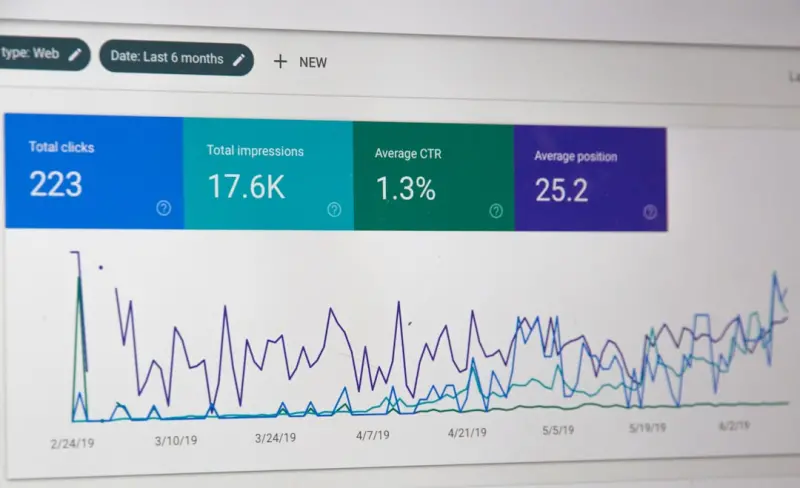
- Organic impressions and clicks. Look for upward trends after publishing a new story.
- Average position for target keywords. Aim for top‑3 placement on long‑tail terms embedded in the case study.
- Engagement metrics. Bounce rate, average session duration, and scroll depth indicate content relevance.
- Conversion rate. Track demo requests or trial sign‑ups that originate from the case study page.
Use these insights to refine future stories—double down on formats and topics that drive the most qualified traffic.
Common Pitfalls & How to Avoid Them
- Over‑selling. A case study that reads like a sales brochure loses credibility. Keep the tone factual and let the data speak.
- Thin content. Avoid short, generic overviews. Aim for 1,200–1,800 words of rich, contextual detail.
- Missing schema. Skipping structured data forfeits the chance for rich snippets, which can boost click‑through rates.
- Neglecting updates. Business outcomes evolve. Revisit stories quarterly to refresh metrics and add new insights.
- Orphaned pages. If a case study isn’t linked from any hub or navigation menu, search engines may never crawl it. Ensure every story has at least three internal links.
A 7‑Step Roadmap to Turn Success Stories into SEO Gold
- Identify high‑impact customers. Prioritize those with measurable results and a willingness to collaborate.
- Map their outcomes to keyword clusters. Use your SEO research to align each story with specific search intent.
- Interview and gather data. Capture quantitative results, quotes, and visual assets (screenshots, dashboards).
- Write a SEO‑optimized case study. Follow the structure outlined above, embed schema, and include internal links.
- Repurpose the content. Create videos, podcasts, slides, and micro‑posts for distribution.
- Launch a content hub. Organize stories by theme and link them together with descriptive anchor text.
- Monitor, iterate, and celebrate. Use analytics to measure impact, refine your approach, and publicize wins internally.
Putting It All Together
In a landscape saturated with generic how‑to guides and keyword‑stuffed articles, the authenticity of a customer’s success is a rare commodity that both users and search engines crave. By systematically turning those narratives into SEO‑optimized assets, you create a virtuous cycle: more organic traffic leads to more qualified leads, which in turn generate new success stories to fuel the next round of growth.
Start small—pick one enthusiastic client, craft a compelling story, and watch how the rankings respond. As the momentum builds, scale the process into a repeatable engine that continuously fuels your SEO strategy.
Remember, SEO isn’t just about technical tweaks; it’s about delivering real value to real people. Your customers already provide that value—let’s make sure the world can find it.

Related Posts
Zero‑Click SEO for SaaS: Turning Snippets into a Lead Engine
Zero‑click search is reshaping how SaaS buyers discover solutions. This guide outlines a step‑by... Read More

SEO Experiments: A Scientist’s Playbook for Ranking Breakthroughs
Treat SEO like a lab. Learn how to craft hypotheses, run controlled tests, analyze results, and scal... Read More

Embracing the Evolution of SEO: Strategies to Stay Ahead of the Curve
Stay ahead of the curve in SEO with the latest strategies and trends. Learn how to optimize your web... Read More
Top Posts

The Future of Content Strategy: Navigating the Shifting Landscape
The future of content strategy is about creating experiences that engage, educate, and inspire your audience. Learn how to adapt to changing algorithms and cons...Read More

Multi‑Channel Content Repurposing Blueprint
Learn how to turn one core idea into a suite of formats—articles, reels, podcasts, and more—using a structured workflow that saves time, expands audience, a...Read More

The Empathy‑First Playbook for Modern Social Media Advertising
Learn why empathy is the new currency in social media advertising and how to craft human‑centric ads that boost engagement, trust, and conversions across plat...Read More

Turning Social Chatter into Product Insight: A SaaS Playbook
Discover a step‑by‑step framework for turning everyday social media conversations into actionable product ideas, measurable ROI, and stronger customer relat...Read More
0 Comments
Post Comment
You will need to Login or Register to comment on this post!