

Why Google’s Algorithm Pulse Feels Like a Roller Coaster
Every time I sit down with a fresh cup of coffee, I can’t help but notice how Google’s algorithm updates have become the industry’s unofficial weather report—predicting storms, sunshine, and everything in between. Core updates now arrive with the frequency of a weekly podcast, each one reshaping the SEO landscape while demanding that we stay hyper‑aware of user intent, relevance, and trust signals. As a strategist who lives at the intersection of data and storytelling, I’ve learned to treat every algorithm shift not as a setback but as a compass pointing toward deeper human connection.
The Evolution of Intent: From Keywords to Experience
In the early days, rankings were a simple game of keyword stuffing and backlink counting, but today Google rewards content that anticipates the nuanced journey of a searcher from curiosity to conversion. The Helpful Content Update taught us that the search engine now evaluates whether a page truly satisfies a query, measuring metrics like dwell time, click‑through patterns, and even sentiment analysis. This shift forces marketers to ask themselves: “Am I solving a real problem, or just ticking SEO boxes?” The answer determines whether a page rides the SERP wave or gets swallowed by the algorithmic tide.
Trust Signals in the Age of E‑E‑A‑T
Google’s emphasis on Experience, Expertise, Authority, and Trust has never been clearer, and it’s reshaping how we craft every piece of copy. A writer’s background, site reputation, and even the visual design of a page now feed into a complex trust score that Google calculates behind the scenes. When I audit a site, I look for clear author bios, transparent sourcing, and consistent brand voice—all signals that reassure the algorithm that the content is both credible and valuable. Embracing these trust factors isn’t just about pleasing Google; it’s about building lasting relationships with real people who click, read, and return.
Human‑Centric On‑Page SEO: The Bridge Between Users and Algorithms
One of my favorite resources for marrying user‑first design with technical precision is the Human‑Centric On‑Page SEO guide, which breaks down how to write meta tags that speak directly to search intent while still delighting the reader. By aligning headline structures, schema markup, and internal linking with the language of your audience, you create a seamless dialogue that both users and bots can follow. This approach reduces bounce rates, boosts dwell time, and ultimately signals to Google that your page is a reliable answer to the query at hand.
Crawl Budget: The Hidden Currency of Visibility
While content quality gets most of the spotlight, the engine that powers discovery is often overlooked: crawl budget. When Google’s bots allocate limited resources to scan your site, every unnecessary redirect, duplicate page, or orphaned URL can drain that budget, leaving vital content unseen. My recent deep dive into Why Crawl Budget Matters More Than Ever revealed that a lean, well‑structured site architecture can dramatically improve indexing speed, especially after a major algorithm refresh. Streamlining your site not only pleases the crawler but also ensures that fresh, relevant pages reach the SERPs faster than your competitors.
The Secret Sauce Behind Content That Connects and Converts
Content that truly resonates does more than answer a question; it creates an emotional bridge that guides the reader toward action. The framework outlined in The Secret Sauce Behind Content That Connects and Converts emphasizes storytelling arcs, data‑driven insights, and a clear call‑to‑action, all wrapped in a tone that mirrors the audience’s own voice. When Google detects these human‑centric signals—such as natural language patterns and genuine engagement metrics—it rewards the page with higher rankings, proving that authenticity and conversion potential go hand in hand.
Technical Foundations: From Core Web Vitals to Structured Data
Even the most compelling narrative can falter if the underlying technical health of a site is compromised. Core Web Vitals, mobile‑first indexing, and structured data have become non‑negotiable pillars that support a page’s ability to rank after any algorithm shift. By conducting regular audits and leveraging tools that simulate real‑world user interactions, you can identify bottlenecks—like slow LCP scores or missing schema—that might otherwise cause a sudden dip after a core update. Investing in these fundamentals creates a resilient foundation that lets your content shine, regardless of how the algorithm evolves.
AI and the Future of Helpful Content
The rise of generative AI has added a new layer of complexity to Google’s evaluation process, as the search engine now distinguishes between human‑crafted insight and mass‑produced, low‑value text. While AI can accelerate content creation, it must be paired with genuine expertise and editorial oversight to meet the standards set by the Helpful Content Update. By treating AI as a collaborative assistant rather than a replacement, you can produce data‑rich, well‑structured articles that still carry a unique human perspective—exactly the blend that modern algorithms reward.
Actionable Steps for Marketers Facing the Next Update
To stay ahead of the algorithm curve, I recommend a three‑phase approach: audit, adapt, and amplify. First, conduct a comprehensive audit of content relevance, technical health, and trust signals using the tools and frameworks highlighted in my previous posts. Second, adapt by rewriting thin pages, consolidating duplicate content, and enriching existing articles with up‑to‑date research and multimedia elements. Finally, amplify by promoting the refreshed content through social channels, email newsletters, and strategic backlink outreach, ensuring that both users and search engines recognize the renewed value. This cyclical process creates a feedback loop that keeps your site aligned with Google’s ever‑evolving priorities.
Conclusion: Embrace the Algorithm as a Partner, Not a Nemesis
Google’s algorithms are no longer a mysterious gatekeeper; they are an evolving partner that encourages us to put users first, build trust, and maintain technical excellence. By viewing each update as an invitation to refine our strategies—whether through human‑centric on‑page SEO, crawl budget optimization, or AI‑enhanced storytelling—we turn uncertainty into opportunity. The next time a core update rolls out, remember that the best defense is a well‑crafted, user‑focused offense that aligns with both search intent and genuine human connection.

Related Posts

Google’s Multimodal Leap: Redefining SaaS Content for the New Search Era
Google’s latest multimodal algorithm rewards SaaS pages that blend text, images, video, and audio ... Read More
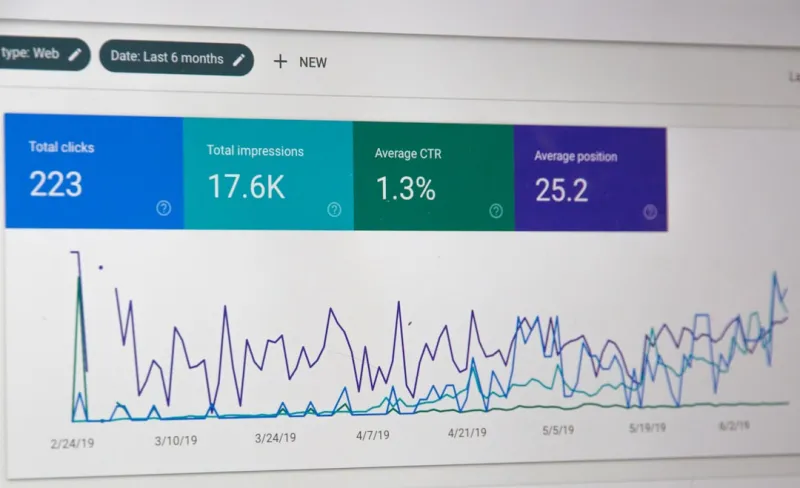
The Impact of Google's Algorithm Updates on SEO Strategy
Google's algorithm updates can significantly impact a website's search engine rankings. Learn how to... Read More

Beyond Keywords: How Google’s Algorithms Read Structured Data in the Generative AI Era
Google’s algorithms now treat schema markup as a core learning source for AI models. This post sho... Read More
Top Posts

Mobile SEO Mastery: Structured Data, Core Web Vitals, and Headless Strategies
Discover how to boost mobile rankings using structured data, Core Web Vitals, and headless tech—practical steps for a faster, more engaging mobile experience....Read More

The Empathy Engine: Turning Social Media Into a Customer Success Magnet
Discover a three‑phase framework that shifts social media from a broadcasting tool to an empathy engine, turning real‑time customer signals into actionable ...Read More

User Journey Mapping: A Fresh SEO Power Play
Learn how to map your visitor’s path, align content hubs, and use technical SEO to guide users from awareness to conversion—turning intent into authority an...Read More

The Joy of Collecting: Why Vintage Toys Remain Timeless
Collecting vintage toys is more than just a hobby; it's a way to relive memories of our childhood and share them with others. Learn why vintage toys remain time...Read More
0 Comments
Post Comment
You will need to Login or Register to comment on this post!