
Why Empathy Is the Engine Behind Modern Content Strategy
When I first stepped into the chaotic world of digital marketing, I quickly realized that data alone could not explain why certain pieces of content resonated while others fell flat, and that realization sparked a relentless quest to understand the human behind every click, scroll, and share; today, that quest has crystallized into an empathy‑first approach that treats audience insights as the cornerstone of every editorial decision, not just a nice‑to‑have afterthought. Empathy transforms raw metrics into stories we can act on, allowing us to craft messages that feel less like sales pitches and more like conversations with a trusted friend, and this shift has not only elevated engagement rates but also forged deeper brand loyalty that withstands algorithmic upheavals.
Listening First: Turning Conversations into Content Gold
Instead of starting with keyword lists, I begin by immersing myself in the real dialogues happening on forums, social feeds, and customer support tickets, because the language people use to describe their pains, hopes, and aspirations reveals the semantic nuances that search engines are only beginning to recognize; this practice of active listening uncovers hidden intent that traditional SEO tools miss, and it gives my team a roadmap for topics that genuinely solve problems. By weaving these authentic voice patterns into headlines, subheads, and body copy, we create a sense of being heard that instantly lowers resistance and invites readers to stay, explore, and act—an effect you’ll see echoed in case studies like Empathy‑First Link Building: How Real Relationships Drive Rankings.
Designing Content Pipelines That Prioritize Human Insight
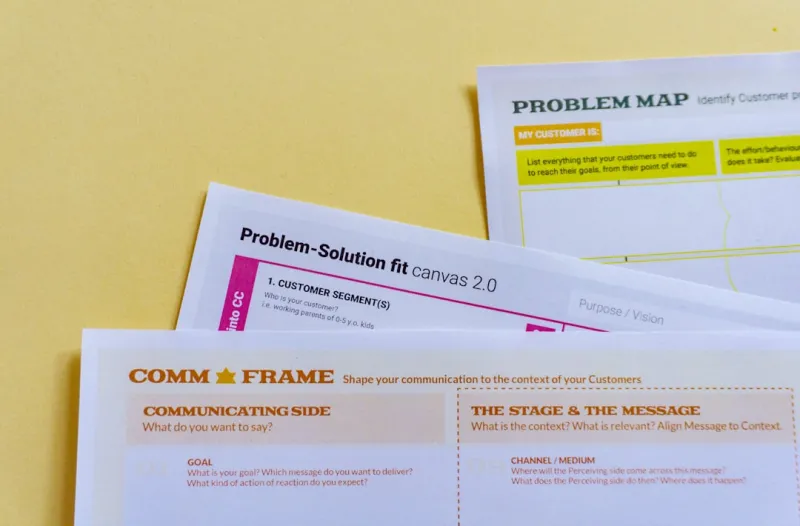
In practice, an empathy‑first pipeline looks like a feedback loop where audience insights dictate ideation, production, and distribution, and where each stage includes a checkpoint for human relevance; we start with a “storyboard of needs,” mapping the emotional journey a reader experiences from problem awareness to solution adoption, then we match each touchpoint with a content format that feels natural—be it a quick video explainer, a long‑form guide, or a bite‑sized carousel. This disciplined alignment ensures that every piece of content serves a purpose beyond vanity metrics, and it also simplifies internal approvals because the business case is built on real‑world impact rather than speculative traffic projections.
Empathy‑Driven SEO: Marrying Data with Human Context
While empathy guides the creative direction, SEO remains an indispensable ally, and the magic happens when you overlay human‑centric themes onto technical best practices; for example, by incorporating the exact phrasing users employ in their questions, you naturally satisfy semantic search requirements, and by structuring content with clear, concise headings you enhance both readability and crawlability. This balanced approach is highlighted in resources such as The Empathy‑First Playbook for Modern On‑Page SEO, which illustrates how a compassionate mindset can coexist with data‑driven optimization to produce rankings that feel earned rather than forced.
Measuring Success Without Losing the Human Touch
Traditional KPIs like bounce rate and session duration tell part of the story, but they often overlook the qualitative shift that empathy brings, so I supplement quantitative dashboards with sentiment analysis, net promoter scores, and direct user interviews to capture the emotional resonance of our content; this hybrid measurement framework reveals patterns such as increased brand trust and advocacy, which are far more predictive of long‑term growth than a single spike in organic traffic. By reporting these nuanced insights to stakeholders, I demonstrate that empathy isn’t just a nice concept—it’s a measurable driver of sustainable performance.
Scaling Empathy Across Teams and Platforms
One of the biggest challenges is ensuring that empathy doesn’t stay confined to the content team, and to address this I embed empathy workshops into onboarding, set up cross‑functional “listener squads” that regularly review audience feedback, and create shared documentation that captures the evolving voice of the customer; this cultural shift makes empathy a living asset that informs product development, customer service, and even paid media strategies, turning the entire organization into a unified voice that speaks directly to the heart of the audience. When every department aligns around the same human‑first principles, the brand message becomes cohesive, authentic, and undeniably powerful.
Real‑World Wins: Case Studies That Prove the Power of Empathy
Clients who have embraced an empathy‑first content strategy have reported conversion lifts ranging from 30% to 70%, with the most dramatic improvements occurring in long‑cycle B2B purchase journeys where trust and relevance are paramount; in one recent project, we re‑engineered a technical whitepaper series by first conducting in‑depth interviews with target decision‑makers, then restructuring the narrative to address their specific concerns, resulting in a 45% increase in qualified leads and a measurable boost in brand perception. These outcomes echo the findings shared in Why Empathy Is the Secret Sauce Behind Modern Content Creation, reinforcing that listening truly fuels performance.
Future‑Proofing Your Content Strategy with Empathy
As AI-generated content becomes more prevalent, the differentiator for brands will be the depth of human connection they can convey, and an empathy‑first mindset equips you to stay ahead of the curve by ensuring that every piece of content reflects genuine understanding rather than generic automation; by continuously feeding real‑world insights into your AI tools, you can strike a balance where technology amplifies human intent instead of replacing it. In this evolving landscape, the brands that prioritize listening, authenticity, and compassion will not only survive the algorithmic tides but will set the standard for what meaningful digital experiences look like.
Action Steps: Implementing an Empathy‑First Content Strategy Today
Start by dedicating a weekly “listening hour” where your team reviews real user comments, social mentions, and support tickets, then translate those insights into a prioritized content calendar that aligns with business goals; next, audit your existing assets for emotional resonance, rewriting headlines and introductions to reflect the language your audience actually uses, and finally, set up a mixed‑method measurement plan that captures both hard metrics and soft sentiment signals, allowing you to iterate quickly and prove the ROI of empathy. By taking these concrete steps, you’ll move from theory to practice, creating content that not only ranks but also builds lasting relationships.

Related Posts

The Narrative Blueprint: Turning SaaS Content Into a Cohesive Story Engine
A narrative blueprint transforms a disjointed content library into a unified story engine, aligning ... Read More

Listening First: How Empathy‑Driven Content Strategy Wins in a Noisy World
In a crowded digital market, the secret to standout content is simple: listen. Explore how an empath... Read More

Designing Micro‑Moments: A New Playbook for SaaS Content Experience
Discover a fresh approach to SaaS content strategy that focuses on interactive micro‑moments, turn... Read More
Top Posts

Link Building in the Age of Interactive Assets
Learn how to shift from traditional backlink tactics to creating interactive tools, leveraging structured data, and forming data‑driven partnerships that natu...Read More
Revolutionizing Social Media Strategy: How SEO and Content Marketing Converge
A well-planned social media strategy paired with a robust SEO approach and high-quality content marketing is essential for driving online success. Learn how to ...Read More

Beyond Text: Mastering Google’s Multimodal Algorithm for SaaS Visibility
Google’s multimodal algorithm blends text, images, video, and voice answers into a single search experience. This guide shows SaaS marketers how to audit, opt...Read More

When Google Starts Ranking Entities Over Keywords: A SaaS Playbook
Google’s algorithms now prioritize entities and semantic relationships over exact‑match keywords. This guide shows SaaS marketers how to map, structure, and...Read More
0 Comments
Post Comment
You will need to Login or Register to comment on this post!