
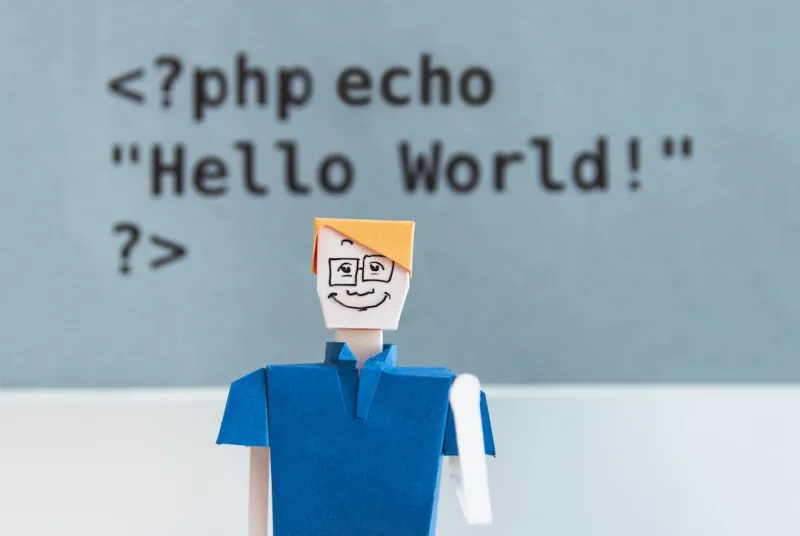
Why Empathy‑First Matters in WordPress SEO
When I first started tweaking themes for clients, I quickly realized that ranking on Google isn’t just about stuffing keywords into meta tags; it’s about understanding the human behind the search query and designing an experience that feels personal, intuitive, and genuinely helpful. Empathy‑first WordPress SEO means asking ourselves what a visitor truly needs at each stage of their journey, then aligning site structure, content, and speed to meet those expectations without friction. By shifting the focus from search engines to real people, we not only boost dwell time and reduce bounce rates, but we also lay the groundwork for lasting brand loyalty that search algorithms increasingly reward.
The Foundations: Site Architecture Built for People
Instead of defaulting to a one‑size‑fits‑all navigation menu, I map out user pathways based on personas, ensuring that primary pages are no more than three clicks away from the homepage, which mirrors the natural way a curious reader explores a well‑organized magazine. This human‑centric approach to site architecture also guides internal linking strategies, allowing search crawlers to discover valuable content while visitors find related articles that answer follow‑up questions without feeling lost. When you combine clean permalinks with breadcrumb trails that echo the mental model of your audience, you create a seamless bridge between intent and information, a bridge that search engines love to crawl and rank.
Content That Connects: From Headlines to Calls‑to‑Action
Crafting headlines that speak directly to the reader’s pain point or aspiration is the first step in turning casual browsers into engaged users, and it’s a tactic I reinforce in every client brief by asking, “What emotion does this headline evoke, and why should the reader care?” Once the hook is set, the body copy must deliver value in a conversational tone, peppered with relatable anecdotes and actionable steps that feel less like a lecture and more like a friendly guide. Finally, the call‑to‑action should feel like a natural next step in the conversation—whether it’s downloading a checklist, subscribing to a newsletter, or scheduling a demo—so the user’s journey continues fluidly beyond the page.
Technical Tweaks That Respect Human Patience
Page speed is no longer a luxury; it’s a fundamental expectation, especially as mobile users grow impatient with anything slower than two seconds, a reality that pushes us to optimize images, leverage lazy loading, and serve modern file formats without sacrificing visual quality. Beyond speed, I prioritize accessibility by ensuring proper heading hierarchies, descriptive alt text, and sufficient color contrast, because an inclusive experience signals to both users and search engines that the site values every visitor. When you pair these technical enhancements with schema markup that clarifies intent—like FAQ or How‑To schema—you give Google the context it needs to surface your content in rich results, dramatically increasing click‑through rates.
Link Building with a Human Touch
Rather than chasing high‑domain‑authority backlinks through cold outreach, I focus on building relationships with fellow creators, offering to co‑author guides, host webinars, or feature guest posts that solve a mutual audience’s problem, a strategy that aligns with the Empathy‑First Playbook for WordPress SEO Success philosophy of turning connections into collaborations. These organic links not only pass link equity but also embed your brand within a community of trusted voices, which search engines interpret as a signal of relevance and authority. Over time, as these relationships deepen, you’ll notice natural mentions and social shares that amplify your content’s reach without the need for manipulative link schemes.
Leveraging Structured Data for Human‑Centric SERP Features
Structured data allows us to translate the nuanced answers we provide on our site into concise, eye‑catching snippets that appear directly in the search results, giving users instant value before they even click—think of it as a digital concierge that greets visitors with the exact information they’re seeking. By implementing the Empathy‑First Blueprint for On‑Page SEO Success, we can annotate product reviews, how‑to guides, and event details, ensuring that Google understands the context and can present it in rich cards, knowledge panels, or answer boxes. This not only drives higher click‑through rates but also positions your brand as the go‑to authority in the eyes of both users and algorithms.
Measuring Success Through the Lens of User Experience
Traditional SEO metrics like keyword rankings and backlink counts are still important, but I supplement them with user‑centric KPIs such as average session duration, scroll depth, and conversion funnel drop‑off points to gauge how well the site meets human expectations. Heatmaps and session recordings reveal where visitors hesitate, scroll past valuable content, or encounter confusing navigation, offering actionable insights that can be iteratively refined. When these experiential data points align with improved organic traffic, you have concrete proof that an empathy‑first strategy is delivering both search visibility and genuine user satisfaction.
Future‑Proofing Your WordPress Site with Empathy
As voice search, AI assistants, and visual search continue to evolve, the core principle remains unchanged: people still crave relevance, speed, and ease of use, regardless of the device or interface they choose. By embedding empathy into every SEO decision—from keyword research that mirrors conversational queries to designing mobile‑first experiences that anticipate touch gestures—you future‑proof your WordPress site against algorithmic shifts and emerging technologies. The Human‑Centric WordPress SEO: Turning Empathy into Rankings guide reinforces this mindset, reminding us that the most sustainable rankings come from serving people first and search engines second.
Actionable Checklist for an Empathy‑First WordPress SEO Revamp
- Audit user personas and map their journey to identify high‑intent touchpoints.
- Streamline navigation to keep key pages within three clicks from the homepage.
- Rewrite headlines and meta descriptions to speak directly to user emotions and needs.
- Implement lazy loading, modern image formats, and server‑side caching for sub‑2‑second load times.
- Apply schema markup for FAQs, How‑To, and product reviews to earn rich results.
- Build genuine backlinks through collaborations, webinars, and guest content.
- Track UX metrics like scroll depth, session duration, and funnel drop‑offs alongside traditional SEO KPIs.
- Continuously test and iterate based on heatmap insights and user feedback.

Related Posts
Supercharging WordPress SEO with Gutenberg Block Strategies
Learn to turn Gutenberg’s block editor into an SEO powerhouse—using patterns, reusable blocks, s... Read More

The Human‑Centric Playbook for WordPress SEO Success
Learn how to blend technical foundations, on‑page optimization, and user‑first content to domina... Read More
Unlocking Gutenberg: A Fresh SEO Playbook for WordPress Sites
Ready to turn Gutenberg’s drag‑and‑drop blocks into SEO gold? I’ll walk you through proven t... Read More
Top Posts

Turning Your Content Strategy into a Self‑Optimizing Engine
Discover a three‑phase framework that transforms static SaaS content into a self‑optimizing system—mapping real buyer journeys, modularizing assets, and c...Read More

The Hidden Psychology Behind On‑Page SEO: Designing for Human Minds
Explore a human‑first approach to on‑page SEO, covering cognitive flow, intent mapping, micro‑copy, and testing methods that turn visitors into engaged us...Read More

Unlock Mobile Rankings with Structured Data: A Practical Playbook
Discover a step‑by‑step guide to using structured data on mobile pages, improve SERP visibility, and drive higher click‑through rates....Read More

Real‑Time Trend Integration: A Dynamic Blueprint for Content Strategy
Discover a flexible, real‑time content framework that maps trends, speeds up production, and amplifies across platforms, turning fleeting moments into lasting...Read More
0 Comments
Post Comment
You will need to Login or Register to comment on this post!