
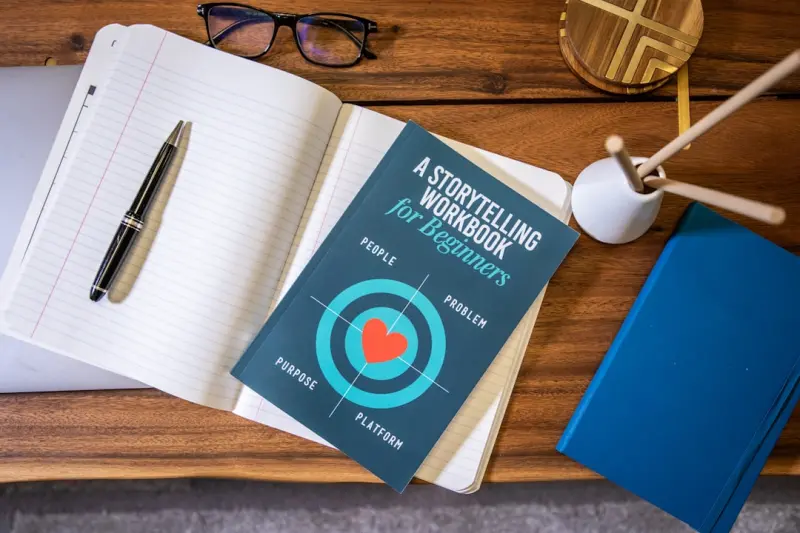
Why Traditional Content Plans No Longer Cut It
For years I built content calendars the way a chef follows a recipe—list ingredients, set a timer, and hope the dish pleases the palate. That mindset ignores the fact that today’s audience eats in bursts, switches platforms mid‑bite, and expects a narrative that adapts to their context. What used to be a linear, quarterly‑only workflow now feels like trying to stream a movie on dial‑up; the experience is disjointed, the engagement drops, and the ROI sputters. I realized the only way forward was to abandon the static checklist and adopt a fluid, audience‑first blueprint that treats each touchpoint as a chapter in a larger story.
Mapping the Audience Journey as a Narrative Arc
Instead of segmenting by demographics alone, I start with the classic three‑act structure—setup, confrontation, resolution—and ask how my audience lives through each act across the digital ecosystem. In the setup, curiosity is sparked by a problem statement that mirrors their immediate pain; the confrontation stage delivers layered insights, data, and real‑world examples that deepen the dialogue; finally, the resolution offers actionable steps that feel like a natural payoff. By aligning content types—short videos, long‑form guides, interactive quizzes—with the emotional tempo of each act, the journey becomes a cohesive story rather than a scattered collection of assets. This narrative‑centric map also makes it easier to identify gaps where a missing “bridge” piece could dramatically lift conversion rates.
Data‑Driven Storytelling: The New Backbone
Storytelling without data is like sailing without a compass; you may look compelling, but you’ll never know if you’re heading toward the harbor you need. I pull in behavioral metrics—time on page, scroll depth, scroll‑triggered heatmaps—and fuse them with intent signals from search and social listening tools. The resulting insight dashboard reveals which plot twists (topics) hold audience attention and which fall flat. For example, a spike in scroll depth on a case‑study carousel indicated a thirst for real‑world proof, prompting me to expand that section into a downloadable playbook. This iterative loop of measurement and narrative adjustment ensures each piece of content earns its place in the story and contributes to the overarching business goals.
Omnichannel Orchestration: Turning Platforms into Stages
Every platform—LinkedIn, Instagram, newsletters, podcasts—acts as a unique stage where a segment of the audience gathers, each with its own expectations for tone and format. Rather than repurposing the same article verbatim, I re‑imagine the core message to fit the stage’s language: a concise carousel on Instagram, an in‑depth interview on a podcast, a data‑rich briefing in a newsletter. This approach respects the audience’s context while preserving narrative continuity. By charting the content flow across these stages, I can schedule “scene changes” that keep momentum, ensuring the story never stalls when a user hops from one channel to another.
Building a Content Repurposing Matrix
To keep the content engine humming without burning out the creative team, I devised a repurposing matrix that turns a single pillar piece into a suite of micro‑assets. The matrix aligns each asset type—infographic, tweet thread, short video, email snippet—with a specific stage of the narrative arc and a target platform. For instance, the data chart from a whitepaper becomes an Instagram carousel for the setup phase, while a compelling quote transforms into a tweet for the confrontation stage. This systematic approach multiplies touchpoints, amplifies reach, and maximizes ROI without demanding constant fresh brainstorming.
Human‑Centric Governance: Empowering Teams to Own Stories
One of the biggest pitfalls I observed in legacy content strategies was the siloed approval process that stripped stories of authenticity. I introduced a governance model that places storytellers—product managers, customer success reps, even salespeople—at the helm of narrative ownership. Each stakeholder contributes a “voice note” that captures real‑world anecdotes, which are then woven into the broader story by the content team. This collaborative cadence not only enriches authenticity but also accelerates approval cycles, because the contributors have already signed off on their own words.
Measuring Narrative Impact Beyond Clicks
Traditional KPIs like page views and bounce rates tell only part of the story; they miss the emotional resonance that drives brand loyalty. I supplement those metrics with sentiment analysis from social listening, Net Promoter Score (NPS) shifts after key content releases, and even qualitative feedback gathered through in‑app surveys. By triangulating these data points, I can assign a “Narrative Impact Score” to each piece, allowing the team to prioritize future investments based on emotional lift rather than sheer traffic volume.
Leveraging Internal Knowledge Hubs for Consistency
Consistency across the narrative is essential, especially when multiple creators contribute. I set up an internal knowledge hub—a living document that houses brand voice guidelines, story pillars, approved data points, and a repository of reusable narrative fragments. When a new campaign launches, writers simply pull from this hub, ensuring each piece feels like part of the same universe. This practice also reduces onboarding time for new contributors and keeps the brand’s storytelling tight and recognizable.
Case Study: From Idea to Impact
When I applied this framework to a B2B SaaS client, the results were striking. We began with a single thought‑leadership article and, using the repurposing matrix and omnichannel orchestration, expanded it into a podcast episode, an Instagram carousel, a webinar, and a downloadable cheat sheet. The audience journey map highlighted a missing confrontation piece, which we filled with an interactive ROI calculator, boosting conversion rates by 38 %. You can read more about the process in sustainable content production, which offers a deeper dive into the methodology.
Future‑Proofing Your Content Strategy
As AI‑driven personalization and immersive formats like AR become mainstream, the narrative‑first approach will remain the anchor that keeps content relevant. By continuously feeding audience data back into the story arc, you can dynamically swap out scenes, insert new characters, or adjust pacing in real time. The key is to treat your content strategy as a living script, not a static plan—one that can adapt to emerging platforms while staying true to the core story you want to tell. Embrace this fluid mindset, and your brand will not only survive the shifting media landscape but thrive as the storyteller audiences trust.

Related Posts

Adaptive Content Strategies: Turning Data Into a Living SaaS Engine
A deep dive into building a living, data‑driven content ecosystem that syncs with product evolutio... Read More

Agile Content Strategy: Turning Real‑Time Signals Into a Living Editorial Plan
Learn the step‑by‑step framework for turning live data into a flexible editorial plan that adapt... Read More
Content Strategy in the Age of AI: How to Stay Ahead of the Curve
Learn how to harness the power of AI to enhance your content strategy and stay ahead of the curve in... Read More
Top Posts
The Future of Content Strategy: Navigating the Shifting Landscape
The future of content strategy is about creating experiences that engage, educate, and inspire your audience. Learn how to adapt to changing algorithms and cons...Read More

Turning Social Chatter into Product Insight: A SaaS Playbook
Discover a step‑by‑step framework for turning everyday social media conversations into actionable product ideas, measurable ROI, and stronger customer relat...Read More

Lauren Miller’s 2024 WordPress SEO Playbook: From Core Settings to Agile Link Building
Lauren Miller breaks down the 2024 WordPress SEO playbook, covering core technical tweaks, content clusters, agile optimization cycles, and strategic link build...Read More

Revolutionizing Social Media Strategy: How to Stay Ahead in a Changing Landscape
Revolutionize your social media strategy with the latest trends and best practices. Learn how to adapt to a changing landscape and drive long-term growth with e...Read More
0 Comments
Post Comment
You will need to Login or Register to comment on this post!