
Why Immersive Content Is No Longer a Niche Experiment
Marketers have watched the rise of short‑form video, but the next frontier is immersive content that blurs the line between the digital and physical worlds. Augmented reality (AR) lenses, virtual reality (VR) narratives, and interactive micro‑experiences are now being rolled out at the speed of a story swipe, and audiences expect them as a natural part of their feed. This shift forces brands to rethink how they capture attention, because a static image no longer satisfies a user who can step inside a 3‑D environment with a tap.
AR Filters as Instant Brand Ambassadors
Social platforms have turned AR filters into the new billboard, letting users become walking advertisements with a single tap. Brands can design custom lenses that react to facial expressions, background colors, or even real‑world objects, creating a loop where users share the experience organically. The result is a surge in user‑generated content that spreads brand messaging faster than any paid campaign, while the data gathered from filter interactions offers fresh insights into consumer preferences.
VR Storytelling Moves From Gimmick to Strategy
Virtual reality once felt like a novelty reserved for gamers, but today it powers immersive brand narratives that place viewers inside a story rather than merely watching it. Companies are crafting VR experiences that guide users through product journeys, from concept to checkout, turning the sales funnel into an adventure. When paired with high‑resolution 360° video and spatial audio, these experiences deepen emotional connections and drive higher conversion rates than traditional video formats.
Mixed‑Reality Live Events Bridge Physical and Digital Audiences
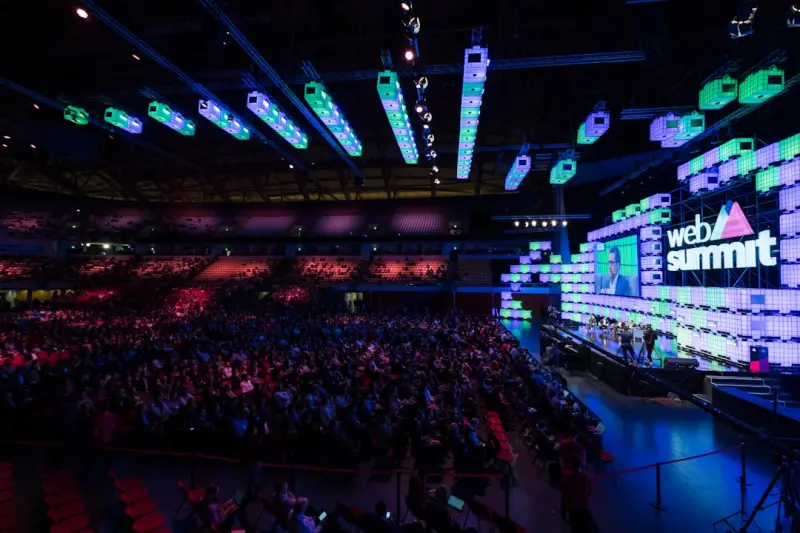
Hybrid events are evolving beyond a simple livestream; they now incorporate mixed‑reality stages where remote participants can interact with holographic speakers and real‑time AR overlays. This approach expands the reach of conferences, concerts, and product launches, allowing brands to monetize attendance through virtual tickets and exclusive digital collectibles. The immersive layer creates a sense of presence that pure video cannot replicate, turning casual viewers into active participants.
Interactive Micro‑Experiences Keep Attention Spans Sharp
Short, gamified snippets—like swipe‑through quizzes, animated polls, or mini‑puzzles—are becoming the micro‑content that holds a scrolling audience’s focus. These bite‑sized experiences generate immediate feedback loops, encouraging users to linger longer on a page and share their results with friends. By embedding interactive elements directly into social posts or landing pages, marketers can boost dwell time, lower bounce rates, and collect valuable behavioral data without demanding a full‑screen commitment.
Measuring Success Requires New Metrics and Semantic Insight
Traditional KPIs such as page views and click‑through rates fall short when evaluating immersive experiences, prompting a move toward metrics like “time in environment,” “interaction depth,” and “experience completion rate.” Integrating these signals with semantic SEO frameworks helps search engines understand the context of AR and VR assets, improving discoverability across both web and app ecosystems. Brands that adopt a unified analytics dashboard can correlate immersive engagement with downstream conversions, proving ROI in a language that executives understand.
Building an Immersive Content Library With Modular Assets
To scale immersive storytelling, marketers need a repository of reusable 3‑D models, soundscapes, and interaction scripts that can be reconfigured for multiple campaigns. This modular approach mirrors the efficiency of traditional content calendars but adds a layer of spatial flexibility, allowing a single asset to appear in an Instagram filter, a VR showroom, and an AR‑enhanced email. Organizing these assets within a topic‑cluster structure ensures that each immersive piece is linked to a broader content theme, boosting internal linking equity and enhancing user navigation.
Monetizing Immersive Experiences Through Direct and Indirect Paths
Brands can generate revenue from immersive content in several ways: selling virtual goods, offering premium access to exclusive VR rooms, or embedding shoppable hotspots inside AR experiences. Additionally, sponsorships have evolved to include branded virtual environments where a partner’s logo appears on a 3‑D object the user interacts with. These indirect monetization streams create new partnership opportunities and diversify income beyond traditional ad spend, especially as consumers become accustomed to paying for high‑quality digital experiences.
Actionable Steps to Start Integrating Immersive Content Today
Begin by auditing your existing content assets for 3‑D potential, then pilot a simple AR filter that aligns with an upcoming product launch to test audience reaction. Next, allocate budget for a VR prototype that tells a brand story in a 60‑second immersive format, using the data from the pilot to refine interaction points. Finally, embed tracking pixels and integrate experience metrics into your analytics stack, ensuring that every immersive touchpoint feeds into a unified performance dashboard. By taking these incremental steps, you position your brand at the forefront of the immersive wave and future‑proof your content strategy.

Related Posts

Collaborative Content Creation: How Co‑Creation Is Reshaping Brand Storytelling
Explore the rise of collaborative content, real‑time co‑creation tools, and practical steps for ... Read More

The Rise of Human‑Centric Content: Trends Shaping the Future of Storytelling
Discover the latest content trends that prioritize human connection, data‑driven storytelling, and... Read More

Why Content as a Service Is the Secret Weapon for Modern B2B Brands
Content as a Service (CaaS) turns static assets into modular, API‑driven building blocks, enabling... Read More
Top Posts

Why Agile SEO Is the Competitive Edge Brands Need in 2024
Agile SEO blends rapid sprints, data‑driven content, and technical agility to keep brands ahead of Google’s shifts. Learn the framework that turns experimen...Read More
Unlocking LinkedIn Search: A Tactical Guide for SaaS Leaders
A step‑by‑step guide that shows SaaS marketers how to optimize profiles, articles, and posts for LinkedIn’s internal search, turning the platform into a s...Read More

Why Empathy‑First Tactics Are the New Engine Behind WordPress SEO
Explore how empathy‑first tactics reshape WordPress SEO, turning human insight into higher rankings, better engagement, and sustainable growth....Read More

Interactive Experiences: The Unseen Engine Driving B2B Content Success
Interactive content is reshaping B2B marketing. This post explains why hands‑on experiences drive higher conversions, outlines formats for each buyer stage, a...Read More
0 Comments
Post Comment
You will need to Login or Register to comment on this post!