

Why Empathy Matters in Local Search
When I first stepped into the world of neighborhood marketing, I realized that rankings aren’t just about keywords—they’re about the people walking past your storefront or scrolling past your map pin. Empathy‑first thinking forces us to ask, “What does my neighbor actually need right now?” and then craft signals that answer that question before Google even asks. By listening to local pain points—whether it’s a late‑night coffee run or a quick‑fix plumber—we can shape meta titles, snippets, and schema that feel like a personal recommendation from a friend. This approach doesn’t just boost click‑through rates; it builds trust that converts a casual searcher into a repeat customer, turning the algorithm into an ally rather than an obstacle.
Optimizing Your Google Business Profile with a Human Touch
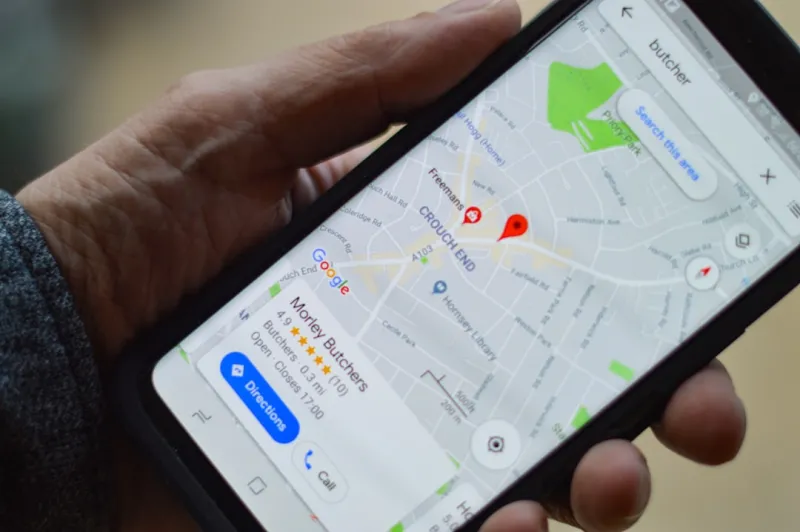
The Google Business Profile (GBP) is the digital front door of any brick‑and‑mortar business, and it deserves the same care you’d give a real door—polish, maintenance, and a welcoming mat. I always start by uploading high‑resolution photos that showcase not just products but the atmosphere: the smile of a barista, the cozy corner of a boutique, the gleam of a freshly‑waxed floor. Next, I write descriptions that speak directly to the community, sprinkling in neighborhood landmarks and local slang to signal relevance. Don’t forget the power of Q&A; proactively answer common queries like “Do you offer curbside pickup?” or “What’s your pet‑friendly policy?” to pre‑empt doubts. Finally, regularly update posts with timely offers, events, and behind‑the‑scenes stories that keep the profile alive and signal to Google that you’re actively engaged with your neighborhood audience.
Harnessing Community Reviews to Amplify Trust
Reviews are the modern word‑of‑mouth, and they carry far more weight in local decisions than any algorithm tweak. I encourage customers to leave feedback by simply asking—often at the point of sale—while providing a QR code that takes them straight to the review page, removing friction. When a review lands, I respond thoughtfully, thanking the reviewer and addressing any concerns with genuine solutions, turning a potential complaint into a public demonstration of customer care. Highlighting specific details in replies, such as “We’re glad you loved our blueberry muffins on Tuesday,” shows future patrons that you pay attention to individual experiences. Moreover, I surface stellar reviews on my website and social feeds, creating a virtuous cycle that not only boosts click‑through rates but also signals to Google that your business is both trusted and actively managed.
Building Local Links with Heart
Link building often feels like a cold, transactional process, but in the hyper‑local arena it should be a community‑building exercise. I start by identifying local organizations—chambers of commerce, schools, charities, and even neighboring businesses—that share a natural audience overlap. By offering to sponsor a community event or contribute a guest post to a partner’s blog, you earn backlinks that are both relevant and authentic. This strategy aligns perfectly with the principles in Empathy‑First Link Building, where the focus is on earning links that truly resonate with real people, not just search bots. Remember to personalize each outreach email, referencing a recent community initiative or mutual interest, because a tailored message demonstrates that you’re listening and investing in the local fabric, not merely chasing PageRank.
Content That Speaks the Neighborhood Language
Creating content for a local audience is less about broad industry trends and more about the everyday rhythms of the community. I map out seasonal events, local festivals, and even weather patterns to produce timely blog posts, videos, and social updates that answer immediate questions—“Where to find the best hot chocolate during the winter market?” or “How to protect your garden from the upcoming frost.” By embedding hyper‑local keywords naturally within these stories, you signal relevance to both users and search engines. I also lean on the insights from Listening First, using community forums and social listening tools to uncover the exact phrasing locals use, ensuring your content mirrors their voice and earns organic shares.
Mobile‑First Local Experiences That Delight
Most local searches happen on mobile devices, so a seamless mobile experience is non‑negotiable. I start by testing page load speeds on a variety of smartphones, compressing images, and leveraging AMP where appropriate to keep load times under three seconds. Next, I design click‑to‑call buttons, map directions, and “Get Directions” links that open directly in the user’s preferred navigation app, reducing friction between intent and action. Mobile‑friendly schema markup—such as opening hours and price range—ensures that Google can surface key details instantly in the SERP, increasing the likelihood of a tap. By treating mobile users as if they were walking into your store, you create an experience that feels personal, immediate, and trustworthy, turning a fleeting search into a foot‑traffic boost.
Measuring Success with Human‑Centric Metrics
Traditional SEO dashboards often focus on impressions and clicks, but for local businesses the true north is foot traffic, phone calls, and appointment bookings. I set up call‑tracking numbers unique to each campaign and embed UTM parameters in Google Business posts to trace which messages drive real‑world actions. Google My Business Insights also provides valuable data on search queries and direction requests, which I compare against in‑store sales reports to gauge ROI. Beyond numbers, I conduct quarterly surveys asking customers how they discovered the business, capturing qualitative feedback that uncovers gaps in the customer journey. By aligning metrics with genuine human behaviors, you ensure that every SEO tweak translates into tangible community growth rather than abstract ranking fluctuations.
Future‑Proofing Your Local SEO Strategy
The local landscape is constantly evolving—new neighborhoods emerge, consumer habits shift, and search engines refine how they interpret intent. To stay ahead, I adopt a habit of continuous listening, regularly scanning community bulletin boards, local social groups, and even municipal planning documents for upcoming changes that could affect search behavior. I also experiment with emerging formats like voice‑search optimization for “near me” queries, ensuring that my FAQs are phrased naturally for spoken language. Finally, I keep my technical foundation solid by revisiting the lessons from Empathy‑First Technical SEO, making sure site architecture, structured data, and security protocols evolve in step with user expectations. By marrying empathy with proactive adaptation, you turn your local SEO from a one‑time project into a sustainable, community‑driven engine of growth.

Related Posts

Beyond the Map Pack: Hyperlocal Signals That Supercharge SaaS Local SEO
Learn how to leverage detailed schema markup, location‑specific user content, and geo‑fencing to... Read More
Optimizing for Local Search: A Comprehensive Guide to Local SEO
Improve your business's online visibility with our comprehensive guide to Local SEO. Learn the lates... Read More

Hyperlocal Micro‑Moments: The New Frontier for SaaS Local SEO
This post reveals a fresh local SEO approach for SaaS businesses, focusing on hyper‑local micro‑... Read More
Top Posts

Turning WordPress Site Health into SEO Supercharge
A deep dive into WordPress site health reveals performance, security, and code hygiene as powerful SEO signals—plus a practical checklist to turn your site in...Read More

Why Short‑Form Social Ads Are the Secret Weapon for SaaS Growth
Short‑form videos on TikTok, Reels, and Shorts are reshaping B2B SaaS marketing. This guide shows how to craft compelling micro‑ads, target decision‑maker...Read More

Turning Your Knowledge Base into a Lead‑Magnet Engine
Learn to repurpose support articles into SEO‑optimized assets, integrate community contributions, and measure success, turning your knowledge base into a lead...Read More

Capturing Micro‑Moments: A Mobile SEO Playbook for SaaS Leaders
Micro‑moments are the new battleground for mobile SEO. This guide shows SaaS marketers how to map buyer intent, leverage structured data, and turn every pocke...Read More
0 Comments
Post Comment
You will need to Login or Register to comment on this post!