
Micro‑Influencer Paid Partnerships: The Quiet Revolution in Social Media Advertising
When most marketers think about social media ads, the mental image is usually a glossy carousel on LinkedIn or a high‑budget video on TikTok. I used to be that marketer too—chasing the biggest platforms, the biggest budgets, and hoping the algorithm would smile. Over the past few months, however, I’ve discovered a quieter, more effective way to reach decision‑makers: partnering with micro‑influencers who already have the ear of niche B2B audiences.
These are not the celebrity‑type accounts with millions of followers. They’re the product managers, industry analysts, and niche thought leaders who post thoughtful threads, host small‑scale webinars, or share “how‑to” videos that attract a highly targeted following. Their audiences may be modest in size, but they are fiercely engaged and, most importantly, they trust the voice speaking to them.
Why the Micro‑Influencer Model Beats Traditional Paid Reach for SaaS
Traditional paid social relies heavily on impressions and click‑through rates. The math looks nice on paper, but the reality is that many impressions never translate into qualified leads. With micro‑influencers, the equation changes:
- Authenticity over noise: Audiences follow these creators for expertise, not entertainment. A recommendation feels less like an ad and more like a peer referral.
- Higher engagement rates: Studies consistently show micro‑influencers achieve 2–10× the engagement of macro accounts, meaning your message gets seen, liked, and commented on by the right people.
- Cost efficiency: A partnership with a niche influencer can cost a fraction of a broad‑scale paid campaign while delivering a comparable or higher ROI.
- Granular targeting: Instead of broad demographic filters, you’re targeting by interest, role, and even the specific challenges they discuss in their content.
In short, you’re swapping volume for relevance, and the numbers quickly prove that relevance wins.
Building a Scalable Framework for Micro‑Influencer Campaigns
Transitioning from a traditional paid strategy to a micro‑influencer model might feel like stepping into the unknown. Here’s a step‑by‑step framework that has worked for my team and can be replicated across most B2B SaaS brands:
- Identify niche voices: Use social listening tools (or even a simple LinkedIn search) to find individuals who consistently discuss problems your product solves. Look for a follower count between 5K and 50K and an engagement rate above 5%.
- Evaluate alignment: Review their past content for tone, values, and audience relevance. A perfect fit feels like a natural extension of your brand’s voice.
- Design a win‑win partnership: Offer something beyond cash—exclusive product access, co‑created webinars, or a revenue‑share model. Influencers love to be treated as partners, not just ad placements.
- Co‑create authentic content: Let them craft the narrative. Provide key messaging points, but allow them to speak in their own vernacular. This maintains authenticity and boosts engagement.
- Deploy with precision: Use the influencer’s native platform to publish, but amplify with a modest paid boost targeted to lookalike audiences. This hybrid approach maximizes reach without sacrificing trust.
- Measure with intent: Track metrics that matter—pipeline contribution, qualified lead velocity, and ultimately, customer acquisition cost (CAC). Compare against baseline paid campaigns to quantify uplift.
Following this framework turns a one‑off partnership into a repeatable engine that fuels growth quarter after quarter.
Conversational Commerce: Turning Social Ads Into Real‑Time Sales Dialogues
While micro‑influencers provide the trusted entry point, the next frontier is conversational commerce. Imagine a prospect seeing an influencer’s short demo, then clicking a “Message Us” button that opens a chat with a sales‑qualified bot or a live rep—right inside the social platform.
This isn’t science fiction. Instagram, LinkedIn, and even Twitter now support native messaging, and many platforms let you integrate chat widgets directly into ads. By pairing a micro‑influencer’s endorsement with a real‑time conversation, you reduce friction and move prospects from awareness to intent in seconds.
Key best practices for conversational commerce:
- Pre‑qualify with quick polls: Use a single‑question poll in the chat to gauge the prospect’s pain point, then route them to the appropriate sales path.
- Leverage AI‑assisted replies: While my team loves the human touch, a well‑trained AI can handle the first 30 seconds, qualifying leads before a live handoff.
- Embed rich media: Share product videos, case studies, or live demo links directly in the chat to keep the conversation visual and engaging.
When executed correctly, conversational commerce turns a passive scroll into an active sales dialogue, dramatically increasing conversion velocity.
Data‑First Creative Testing: Using First‑Party Signals to Power Personalization
One of the biggest pitfalls in social media advertising is relying on generic creative across a heterogeneous audience. With the wealth of first‑party data SaaS companies collect—behavioral data, usage patterns, and even NPS scores—you can drive hyper‑personalized ad experiences.
Here’s how we’ve structured our creative testing workflow:
- Segment by intent: Group prospects based on product usage stage (e.g., trial, onboarding, churn risk). Each segment receives tailored messaging.
- Dynamic Creative Optimization (DCO): Feed the segments into a DCO platform that swaps headlines, CTAs, and images in real time based on the viewer’s segment.
- Rapid A/B testing: Deploy multiple variants simultaneously, using statistical significance thresholds as low as 80% due to higher engagement rates from targeted audiences.
- Iterate with micro‑influencer insights: Pull performance data from influencer posts (likes, comments, shares) and feed those signals back into the creative engine.
This loop of data‑driven creation and instant feedback means you’re not just testing for clicks—you’re testing for meaningful actions that move the needle on revenue.
Real‑Time Optimization Using Social Listening
Social listening isn’t just for brand reputation; it’s a gold mine for real‑time ad optimization. By monitoring brand mentions, competitor activity, and industry chatter, you can dynamically adjust bids, creative, and targeting.
For example, if a trending discussion emerges around “remote‑first security challenges,” you can:
- Increase bid caps on ads that address remote security.
- Swap out static images for a micro‑influencer’s recent video that discusses the same challenge.
- Inject a conversational commerce prompt that offers a free security audit.
This responsiveness not only improves relevance but also signals to platforms that your ads are high‑value, often resulting in lower CPMs.
Measuring Success: Beyond Clicks and Impressions
Traditional metrics—CTR, CPM, CPC—are still useful, but they tell only part of the story. In B2B SaaS, the ultimate goal is revenue, so you need to align your measurement with the funnel:
- Engagement Quality Score (EQS): A composite of likes, comments, shares, and time‑spent on the post. Higher EQS correlates with higher intent.
- Marketing Qualified Lead (MQL) Velocity: Track how quickly a prospect moves from ad interaction to becoming an MQL.
- Pipeline Contribution: Attribute revenue opportunities directly to specific influencer campaigns using UTM parameters and CRM tagging.
- Customer Acquisition Cost (CAC) Ratio: Compare the CAC of micro‑influencer‑driven leads versus traditional paid leads to quantify efficiency gains.
When you can tie a specific micro‑influencer post or conversational commerce chat to a closed‑won deal, the ROI story becomes undeniable.
Putting It All Together: A Playbook for Modern Social Media Advertising
Below is a concise, actionable checklist you can start implementing this quarter:
- Audit your existing social followership to identify potential micro‑influencers.
- Develop a partnership outreach template that emphasizes mutual value.
- Co‑create a content calendar with at least one influencer‑driven post per week.
- Integrate conversational commerce widgets into each paid boost.
- Set up a DCO pipeline that pulls first‑party intent data into ad creative.
- Deploy a social listening dashboard to capture real‑time trends.
- Define EQS, MQL velocity, and CAC ratio as core performance metrics.
- Review results monthly, iterate quickly, and scale the most effective partnerships.
By combining the trust of micro‑influencer endorsements, the immediacy of conversational commerce, and the precision of data‑first creative testing, you’ll transform your social media advertising from a cost center into a revenue engine.
If you’re curious about how other brands are turning social ads into tangible outcomes, you might want to explore Beyond the Scroll: Turning Social Media Ads into Real‑World Conversions. And for a deeper dive into balancing AI assistance with human creativity, see The Co‑Pilot Mindset. These resources complement the micro‑influencer strategy by showing how technology and authenticity can coexist in a modern ad ecosystem.

Related Posts

Conversational Ads: Turning Social Messengers into Lead Machines
This post reveals why messaging apps are the next frontier for B2B SaaS advertising, outlines the an... Read More

Conversational Ads and Micro‑Communities: The Next Wave of Social Media Advertising for SaaS
A fresh look at social media advertising reveals the power of conversational ads, niche community ta... Read More

Why Ad Fatigue Is Killing Your Social Media ROI (And How to Beat It)
Ad fatigue silently inflates costs and drags down performance. This guide reveals a three‑step Cre... Read More
Top Posts
Conversational Communities: The Next Evolution in Social Media Strategy
Learn why shifting from broadcast posts to genuine conversations on platforms like Discord and private groups fuels brand loyalty, uncovers actionable insights,...Read More

Turning Neighborhood Connections into Local SEO Gold
Learn how to leverage community events, micro‑influencers, and data‑driven insights to dominate hyper‑local search, boost foot traffic, and future‑proof...Read More

Why Social Media Strategy and SEO Are Intertwined for Online Success
A strong social media strategy and SEO plan are crucial for online success. Learn how to intertwine your social media and SEO efforts to drive traffic and boost...Read More
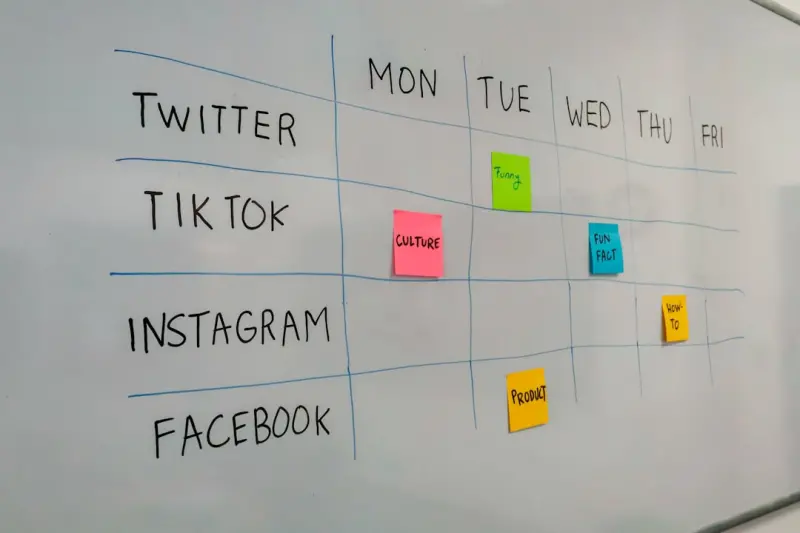
Crafting a Resilient Social Media Strategy: The Calendar‑First Method
A calendar‑first approach lets brands harmonize timeless content with spontaneous trends, creating a resilient social media strategy that drives consistent en...Read More
0 Comments
Post Comment
You will need to Login or Register to comment on this post!