

Intro
When I first swapped my laptop for a pocket‑sized device, I realized that every click, swipe, and tap was a silent conversation between the user and the page, and that conversation now decides whether Google will even listen. Mobile‑first SEO is no longer a nice‑to‑have checklist item; it is the gateway to a flood of organic traffic that can outpace any desktop‑only strategy you once relied on. To set the stage, think of visual search strategies as the visual counterpart to the tactile experience you are about to master.
Mobile Experience Is the New Ranking Frontier
Google’s mobile‑first indexing means the crawler now evaluates your site exactly as a smartphone does, judging layout, load speed, and interactive readiness before it even considers the desktop version, which flips the traditional hierarchy on its head. Users on the move expect pages to appear instantly, to be readable without zooming, and to respond to thumb gestures as naturally as a native app, so any friction translates directly into higher bounce rates and lower rankings. In practice, this shift forces us to redesign our SEO mindset around real‑world user intent on tiny screens, rather than abstract keyword density on a 1440 px canvas.
Progressive Web Apps: SEO Supercharge
Progressive Web Apps (PWAs) blend the best of web accessibility with app‑like performance, giving you the power to serve a lightning‑fast, offline‑capable experience that Google loves and users adore, all while staying on a single URL that retains its SEO equity. By leveraging service workers, you can cache critical assets, pre‑fetch content based on predicted user pathways, and deliver push notifications that drive repeat visits without the friction of an app store download. The result is a virtuous cycle: improved Core Web Vitals boost rankings, higher rankings attract more mobile users, and those users experience the PWA’s speed, reinforcing engagement metrics that further enhance SEO.
Mastering Mobile Core Web Vitals
Google’s Core Web Vitals—Largest Contentful Paint (LCP), First Input Delay (FID), and Cumulative Layout Shift (CLS)—are no longer optional performance hints; they are concrete ranking signals that reflect how smoothly a page loads and reacts on a mobile device. Optimizing LCP often means serving appropriately sized images via srcset, employing lazy loading for below‑the‑fold assets, and using a CDN that places content physically close to the user, while FID improvements stem from reducing JavaScript execution time and deferring non‑essential scripts. To keep CLS under control, you must reserve space for dynamic elements such as ads or fonts before they appear, ensuring that the layout remains stable as the page renders. For a deeper dive into related tactics, explore voice search best practices, which share many of the same performance principles.
Mobile‑Specific Structured Data
Structured data on mobile pages should be trimmed to the essentials, because bloated JSON‑LD can slow down parsing on slower connections, but it also offers a direct line to rich results that dominate the SERP real estate on small screens. Implementing Mobile‑First Schema means focusing on markup that benefits on‑the‑go users: FAQPage, HowTo, and Product schemas that surface concise answers, step‑by‑step guides, or price information without the need to click through. Additionally, leveraging the hasMobileAlternate property informs Google about the relationship between your desktop and mobile URLs, preventing duplicate‑content penalties while consolidating link equity. By aligning schema with mobile intent, you increase the chance of appearing in the coveted “Top Stories” carousel or “Featured Snippet” boxes that dominate limited screen space.
Bridging App Store Optimization and Mobile SEO
For brands that maintain both a website and a native app, treating App Store Optimization (ASO) as an extension of mobile SEO unlocks a hidden pool of discovery traffic that Google’s index can surface directly in mobile SERPs. Synchronizing keywords between your app’s title, description, and your site’s meta tags creates a semantic bridge that signals relevance across both ecosystems, while deep linking from mobile web pages to specific in‑app content reduces friction and boosts conversion rates. Moreover, encouraging satisfied users to leave reviews both on the store and on your site generates fresh, user‑generated signals that reinforce authority in the eyes of Google’s algorithm. The synergy between ASO and mobile SEO transforms a fragmented presence into a cohesive, searchable brand experience.
Testing, Monitoring, and Continuous Improvement
Because mobile environments are highly variable—different browsers, operating systems, and network conditions—rigorous testing must become an ongoing habit rather than a one‑off checklist item. Tools like Google PageSpeed Insights, Lighthouse, and Chrome DevTools’ “Network Throttling” panel let you simulate 3G, 4G, or even offline scenarios, revealing hidden bottlenecks that only appear under constrained bandwidth. Pair these diagnostics with real‑user monitoring (RUM) platforms that aggregate field data from actual visitors, allowing you to spot geographic performance disparities and prioritize fixes that deliver the biggest ROI. Finally, adopt a data‑driven sprint cadence: set measurable mobile KPI targets, run A/B tests on critical elements such as button size or font weight, and iterate based on statistically significant results.
Edge Computing, 5G, and the Next Wave
The rollout of 5G networks and the rise of edge computing are reshaping the technical ceiling for mobile performance, offering unprecedented opportunities to push SEO further into the future. By deploying server‑less functions at edge locations, you can render personalized content milliseconds from the user, dramatically reducing time‑to‑first‑byte and satisfying the LCP metric without sacrificing dynamic capabilities. Coupled with 5G’s low latency, these edge‑powered experiences enable richer interactive elements—augmented reality overlays, real‑time inventory checks, and instant translations—that keep users engaged longer, signaling higher dwell time to search engines. Forward‑thinking SEOs who integrate edge strategies now will own the competitive advantage as mobile search evolves from static listings to immersive, context‑aware journeys.
Actionable Checklist for Mobile SEO Success
To translate the concepts above into daily practice, start with a concise checklist:
- Audit every page with Mobile‑First Lighthouse and fix LCP, FID, and CLS issues.
- Implement lightweight, mobile‑specific JSON‑LD for FAQs, How‑Tos, and Products.
- Convert key landing pages into PWAs, ensuring service workers cache above‑the‑fold content.
- Align app store keywords with website meta data and enable deep links.
- Set up real‑user monitoring and schedule monthly performance reviews.
- Leverage edge functions for personalized, low‑latency content delivery.
By ticking each box, you create a resilient mobile SEO foundation that not only satisfies Google’s algorithmic expectations but also delights the human users who power your traffic growth.

Related Posts
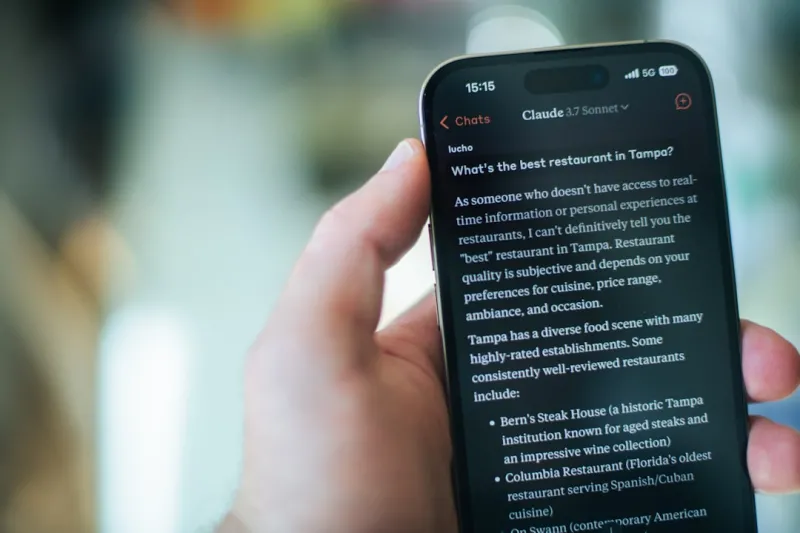
Mobile SEO That Actually Moves the Needle
Discover why mobile‑first SEO is essential, how to optimize performance, local search, and voice q... Read More
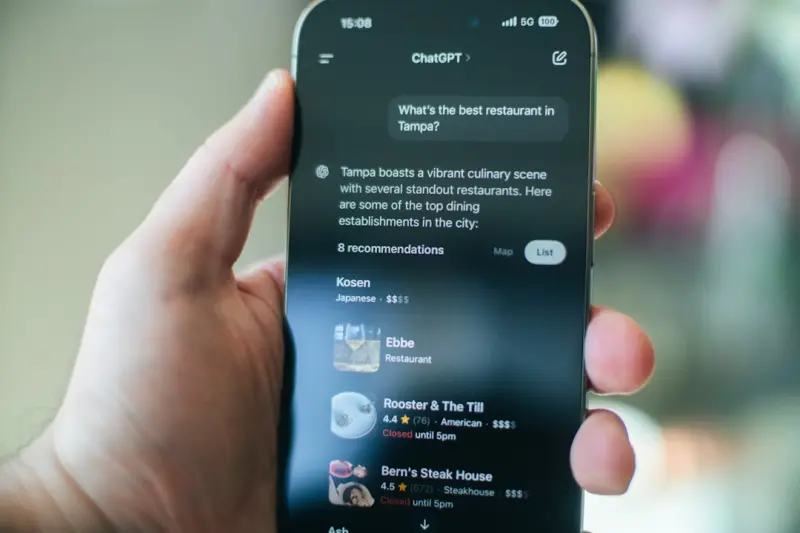
Progressive Web Apps: The Mobile SEO Upgrade You Can’t Afford to Skip
Learn why turning your site into a Progressive Web App can dramatically improve mobile SEO, from fas... Read More

Mobile SEO: The Key to Unlocking Your Website's Full Potential
Mobile SEO is critical for businesses that want to stay ahead of the competition. Learn how to optim... Read More
Top Posts
Designing a WordPress Theme That Ranks: An Insider’s Blueprint
Learn the insider’s blueprint for creating a WordPress theme built for SEO, from semantic markup and schema integration to performance, accessibility, and aut...Read More

Mobile‑First SEO: The Missing Growth Engine for SaaS
Mobile users now dominate SaaS research, yet many companies overlook mobile‑first SEO. This guide reveals why speed, schema, voice search, deep linking, and P...Read More

Local SEO in 2024: Navigating the Shifting Landscape
Learn about the latest Local SEO trends and best practices for 2024. Get expert insights on optimizing your online presence, improving your rankings, and attrac...Read More

The Future of Content Trends: What You Need to Know
The world of content trends is constantly evolving. Learn how to stay ahead of the curve and drive results with the latest trends and best practices....Read More
0 Comments
Post Comment
You will need to Login or Register to comment on this post!