
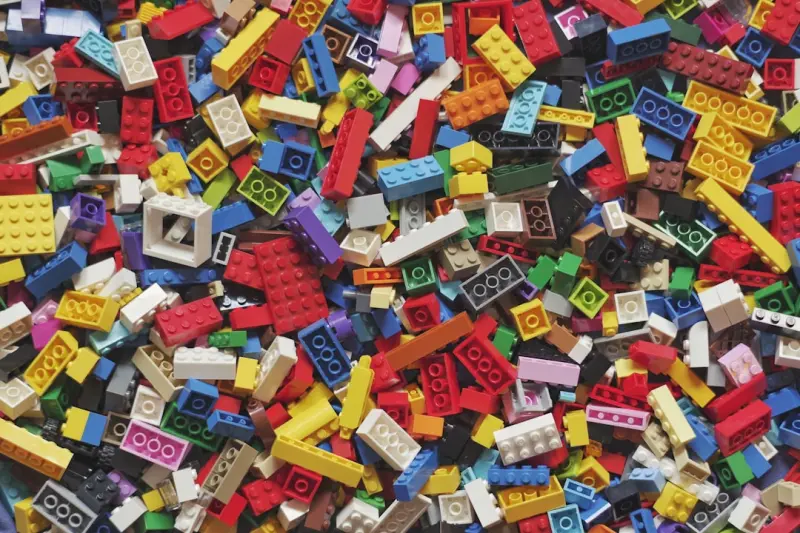
Why Subscription Toy Boxes Are the Future of Play
When I first heard the phrase “subscription box” I thought of monthly coffee deliveries and curated software toolkits. It wasn’t until a friend sent me a tiny, perfectly balanced wooden puzzle that I realized the model could rewrite the rules of how we discover, engage with, and cherish toys. This isn’t just a marketing gimmick—it’s a cultural shift that blends the excitement of surprise with the data‑driven precision we love in SaaS.
From One‑Off Purchases to Ongoing Experiences
Traditional toy retail has always been transactional: you walk into a store, pick a product, and that’s the end of the story. The problem with that approach is twofold. First, it treats toys as static objects rather than evolving experiences. Second, it leaves families guessing about what will actually spark a child's curiosity next month, next quarter, or next year.
Subscription boxes flip this script. By delivering a curated set of toys on a regular cadence, they turn playtime into a narrative arc. Each month becomes a new chapter, each box a plot twist, and parents get a built‑in roadmap for developmental milestones. The result? Higher engagement, longer product lifespans, and a deeper emotional bond between the brand and the household.
Data‑Backed Curation: The Secret Sauce
In the SaaS world we obsess over metrics—churn, LTV, activation rates. The same principles apply to toys when you treat each box as a micro‑campaign. Successful subscription services mine data from three sources:
- Behavioral Signals: Which toys get the most playtime? Which ones end up in the donation bin?
- Demographic Insights: Age, interests, even sibling dynamics shape what will hit the sweet spot.
- Feedback Loops: Simple surveys or QR‑code scans let parents tell brands what worked and what didn’t.
When you combine these inputs, you can algorithmically generate a “play profile” for each subscriber. This is where the magic happens: the next box feels less like a random assortment and more like a personalized learning journey.
Beyond the Box: Building Community
One of the most powerful outcomes of the subscription model is the community it fosters. Parents share unboxing videos, trade tips on extending a toy’s life, and even co‑create challenges that turn a single product into a collaborative project. This social layer amplifies brand reach without extra ad spend.
Think of it as the community‑first approach that has reshaped B2B growth. When families feel they belong to a tribe of like‑minded play‑enthusiasts, loyalty skyrockets. Moreover, user‑generated content becomes a low‑cost acquisition channel—exactly the kind of network effect SaaS founders dream of.
Environmental Impact: Less Waste, More Joy
One criticism of subscription boxes is the potential for excess packaging. The smartest companies are turning that concern into a competitive advantage by:
- Using recyclable or biodegradable materials for every component.
- Designing toys that grow with the child, reducing the need for frequent replacements.
- Offering a “return‑to‑reuse” program where parents can send back toys for refurbishment and redistribution.
This circular model not only cuts landfill contributions but also aligns with the values of modern families who demand sustainability from the brands they support.
Integrating Augmented Reality for a Hybrid Play Experience
While the core of a subscription box is a physical object, the future lies in blending that tangibility with digital layers. Augmented reality (AR) can transform a simple wooden train set into an interactive cityscape where kids unlock new tracks by scanning a QR code. This hybrid approach satisfies the need for novelty while keeping the tactile satisfaction that screens alone can’t provide.
In practice, a brand might embed a subtle AR cue in the packaging—think of a hidden marker that, when viewed through a smartphone, reveals a short animated tutorial or a mini‑game. The result is an experience that feels fresh each month, yet remains grounded in the physical toy.
Monetization Strategies That Keep the Fun Flowing
Subscription toys aren’t just about recurring revenue; they’re about creating multiple monetization touchpoints:
- Tiered Plans: Basic boxes for casual play, premium tiers that include exclusive collectibles or early‑access prototypes.
- Add‑On Marketplace: A digital storefront where parents can purchase complementary accessories or upgrade kits.
- Licensing Partnerships: Collaborations with popular media franchises to inject recognizable characters, driving both excitement and brand equity.
Each layer adds depth to the revenue model while preserving the central promise: a surprise that delights and educates.
Measuring Success: KPIs That Matter
Just as we track activation rates in software, subscription toy companies need a clear set of metrics to gauge health:
- Retention Rate: How many families continue beyond the first three months?
- Engagement Score: Average playtime per toy, captured via app‑based tracking or self‑reported surveys.
- Referral Rate: The percentage of new subscribers who come from word‑of‑mouth or social shares.
- Environmental Impact Index: A composite score that accounts for packaging weight, material recyclability, and product lifespan.
When these KPIs move in tandem, you have a virtuous cycle: happy kids, delighted parents, and a brand that can confidently scale.
Case Study: A Startup That Turned Play Into a Predictable Pipeline
Consider PlayLoop, a modest startup that launched a monthly box targeting children aged 4‑8. Their secret? A blend of data‑driven curation, AR enhancements, and a vibrant online community.
Within twelve months, PlayLoop achieved:
- 85% month‑over‑month retention.
- 30% of subscribers referred at least one friend.
- A 40% reduction in packaging waste through a reusable container program.
What’s striking is how quickly they iterated. By using simple feedback loops—parents could rate each toy on a 5‑star scale—they refined their algorithm to the point where 92% of the toys received a 4‑star rating or higher. This rapid learning cycle mirrors the agile methodologies we champion in SaaS, proving that the same principles apply to physical products.
Challenges to Watch Out For
No model is without friction. Subscription toy services must navigate:
- Supply Chain Volatility: Seasonal demand spikes can strain manufacturers.
- Regulatory Compliance: Safety standards vary by region; a misstep can damage trust.
- Content Saturation: Over‑curation can lead to “toy fatigue,” where families feel overwhelmed by novelty.
Mitigation strategies include building strong relationships with vetted manufacturers, maintaining a robust compliance checklist, and pacing releases to ensure each box feels truly special.
The Road Ahead: A Playful Ecosystem
Imagine a future where subscription toy boxes plug into a broader ecosystem of learning platforms, child‑development analytics, and even parental wellness tools. A parent could log their child’s play data, receive personalized activity suggestions, and order a supplemental box that targets a specific skill—say, spatial reasoning.
In that world, the subscription model isn’t just a delivery service; it becomes an experience engine that continuously adapts, learns, and grows alongside the child. It’s a concept that borrows heavily from the AI‑powered toy narrative but expands it into a full‑fledged, data‑rich journey.
Conclusion: Play, Data, Community—All in One Box
The subscription toy box is more than a clever business model; it’s a cultural catalyst that redefines how we think about play. By marrying data‑driven curation, community building, sustainable practices, and digital augmentation, brands can create an ever‑evolving playground that keeps children engaged, parents satisfied, and the planet a little greener.
For anyone watching the intersection of technology, consumer behavior, and childhood development, the subscription model offers a front‑row seat to the next wave of innovation. As we continue to blur the lines between physical and digital, the only certainty is that curiosity will remain the driving force—delivered, month after month, straight to the front door.

Related Posts
The Sustainable Play Revolution: How Green Toys Are Redefining Fun
Explore the rise of sustainable toys, why they matter for development, and how to choose truly ecoâ€... Read More

Why Imaginative Play Is the Secret Sauce for Modern Childhood Development
Explore why open‑ended toys are essential for kids’ development, how to craft inspiring play spa... Read More
Play Smarter: How AI‑Powered Toys Are Shaping Tomorrow’s Learning
AI‑driven toys are redefining childhood by offering adaptive, data‑informed play that blends ima... Read More
Top Posts

The Evolution of Collectible Toys: A Collector's Perspective
Collectible toys have come a long way, from vintage dolls to limited-edition figurines. Learn about the evolution of this hobby, its trends, and what makes it s...Read More

AI‑Driven Link Building Tactics That Deliver Real Authority
Explore AI‑enhanced link building methods—from micro‑content hubs to data partnerships—that earn genuine authority, improve crawl efficiency, and drive ...Read More
Voice Search Optimization: The Next Frontier for WordPress SEO
Learn to adapt WordPress for voice search with conversational content, schema markup, speed hacks, and local SEO tactics—all backed by actionable steps to cap...Read More

LinkedIn SEO Unlocked: Jimmy Anand’s 2024 Playbook for Real-World Visibility
Jimmy Anand reveals a human‑centric LinkedIn SEO roadmap for 2024, covering headline optimization, content creation, skill endorsement tactics, and future‑p...Read More
0 Comments
Post Comment
You will need to Login or Register to comment on this post!