
Why Social Media Should Be Your SaaS Product Lab, Not Just Your Megaphone
When most SaaS teams think about social media, they picture glossy brand posts, scheduled webinars, and a steady drip of lead‑gen ads. That’s the traditional view—a loudspeaker aimed at a broad audience. I’ve spent the last decade watching those tactics plateau, and I’ve learned that the real gold lies in treating every comment, DM, and story view as a data point for product decisions. In other words, social media isn’t just a distribution channel; it’s a real‑time research lab.
The Shift from Broadcast to Dialogue
Broadcast‑centric strategies treat followers as passive recipients. Dialogue‑centric strategies, on the other hand, see each interaction as a conversation starter. When a user asks, “Can I integrate this with X?” or shares a screenshot of a workflow hiccup, they’re handing you a prototype for a feature you might not have thought to prioritize.
That shift demands a mindset change:
- Listen before you post. Your content calendar should be informed by what the community is already talking about, not the other way around.
- Validate in real time. Use polls, reaction emojis, and quick surveys to test ideas before you commit engineering resources.
- Iterate publicly. Show your audience that you’re acting on their feedback. A public roadmap update after a Twitter thread can boost trust faster than any press release.
Building a Social “Feedback Funnel”
Think of the classic marketing funnel—awareness, consideration, conversion, retention—but overlay it with a feedback loop at each stage. Here’s a simple visual:
- Awareness: Social listening tools capture trending pain points in your niche.
- Consideration: Community polls gauge interest in potential solutions.
- Conversion: A/B test product messaging directly in DM conversations.
- Retention: Ongoing user‑generated content (UGC) becomes a source of feature ideas.
By mapping social signals to each funnel stage, you turn vanity metrics (likes, follows) into actionable intelligence.
Tools That Turn Chatter Into Insight
There’s an ecosystem of platforms that make this transformation painless:
- Social listening suites (e.g., Brandwatch, Mention) that aggregate keywords, hashtags, and sentiment across Twitter, LinkedIn, Reddit, and niche forums.
- Conversation analytics embedded in your CRM (HubSpot, Salesforce) that tag inbound messages with intent signals.
- Micro‑survey widgets that you can drop into Instagram Stories or LinkedIn polls without breaking the user experience.
When you combine these tools, you create a single source of truth for product‑market fit questions that traditionally required months of surveys and focus groups.
Case Study: From Tweet to Feature Release in 21 Days
One of our customers, a project‑management SaaS, noticed a spike in tweets asking, “Can I attach PDFs to tasks?” Rather than ignoring the noise, they opened a public poll on Twitter, gathered 1,200 votes (78% in favor), and posted a quick prototype video in the replies. Within three days, the engineering team built an MVP, and by day 21 the feature was live. The rollout tweet alone generated a 35% lift in trial sign‑ups that week.
This rapid cycle illustrates how a well‑orchestrated social feedback loop can shave weeks off the product development timeline.
Integrating Social Insight Into Your Product Roadmap
Most SaaS roadmaps sit in a static spreadsheet, updated quarterly. To make social insight actionable, embed a Social Insight Column that tracks:
- Source (Twitter, LinkedIn, Reddit, etc.)
- Volume of mentions (daily/weekly)
- Sentiment score
- Proposed solution or feature idea
- Priority rating based on engagement and strategic fit
Every sprint planning meeting, the product manager reviews this column alongside engineering capacity. The result is a living roadmap that reflects what users are shouting about right now, not what market research predicted six months ago.
How to Turn Employees into Social Scouts
While we’ve written about employee brand ambassadors before, there’s a nuanced twist: empower staff to act as “social scouts.” Encourage them to follow relevant hashtags, join industry Slack channels, and bring back observations during stand‑ups. This practice diversifies the social listening net beyond just your official brand accounts.
Crafting Content That Elicits Feedback, Not Just Likes
Content strategy for a social‑driven product lab looks different from a pure awareness campaign. Here are three formats that consistently pull useful data:
- “What if” carousel posts. Pose a problem and ask followers to vote on possible solutions.
- Live AMA (Ask Me Anything) sessions. Host a 30‑minute video where product leads answer real‑time questions, then tag the most requested ideas for follow‑up.
- Customer story snippets. Share a brief user success story and ask, “What would you have done differently?” This invites comparative feedback.
Each format ends with a clear call‑to‑action that pushes the audience from passive scrolling to active input.
Leveraging Ephemeral Content for Rapid Validation
Stories on Instagram, LinkedIn, and even TikTok’s short‑form videos disappear after 24 hours. That scarcity creates urgency—people are more likely to engage when they know the window is short. Use this to your advantage:
- Post a quick poll in a story: “Should we add dark mode? Swipe up to vote.”
- Follow up with a behind‑the‑scenes video showing the design mockup.
- Announce the winning result within the next 48 hours, reinforcing that the community’s voice matters.
This loop not only validates concepts fast but also deepens the emotional bond between users and your brand.
Balancing Public Transparency With Strategic Secrecy
Being open about product development builds trust, but you don’t want to hand over your competitive advantage. Here’s a framework to manage that balance:
- Publicly share “themes”. Talk about the general direction (e.g., “We’re focusing on collaboration tools”) without revealing specifics.
- Gather feedback on “hypotheticals”. Use mockups and ask for opinions, but keep the actual implementation details under wraps until you’re ready.
- Reserve “beta invites” for engaged community members. Offer early access to those who consistently provide valuable input, turning them into brand evangelists.
Connecting Social Insights to Other Marketing Pillars
Social media data shouldn’t exist in a silo. Feed it into your existing content engines. For instance, if a recurring question emerges about integration capabilities, craft a story‑centric blog post that walks through a real‑world use case. That piece then becomes a top‑of‑funnel asset, closing the loop between social listening and inbound marketing.
Similarly, you can repurpose poll results into interactive content like calculators or quizzes that continue to capture leads while reinforcing the community‑driven narrative.
Measuring the Impact of a Social‑First Product Lab
Traditional social KPIs (reach, impressions) are still useful, but you need a second layer of metrics that tie directly to product outcomes:
- Feature‑suggestion velocity: Number of actionable ideas generated per week.
- Conversion lift post‑feedback: % increase in trial sign‑ups after a community‑validated feature launch.
- Retention impact: Churn rate among users who engaged in feedback loops versus those who didn’t.
- Time‑to‑market reduction: Days saved from ideation to release due to social validation.
Tracking these numbers proves the ROI of a social‑centric approach and helps you iterate on the process itself.
Putting It All Together: A 30‑Day Playbook
Ready to turn your social channels into a product lab? Here’s a quick starter roadmap:
- Week 1 – Set Up Listening. Deploy a listening tool, define 10‑15 core keywords, and assign a “social scout” on each platform.
- Week 2 – Run Your First Poll. Choose a low‑risk feature idea, test it via an Instagram story poll, and announce the result.
- Week 3 – Publish a Feedback‑Driven Blog. Take the top three community questions and answer them in a story‑centric post.
- Week 4 – Launch a Beta. Invite the most active commenters to a private beta, gather usage data, and close the loop with a thank‑you video.
Repeat, refine, and scale. Within a quarter, you’ll have a robust pipeline of community‑validated features and a loyal, vocal user base.
Final Thoughts: From Megaphone to Microscope
Social media’s reputation as a noisy billboard is outdated. The platforms we love for their immediacy and human connection are also the most powerful lenses for understanding what our users truly need, in the moment they need it. By treating every like, comment, and swipe as a data point, you transform your social presence from a one‑way megaphone into a two‑way microscope—zooming in on real problems, testing solutions in real time, and delivering products that feel like they were built with your customers, not just for them.
So next time you schedule that LinkedIn carousel, ask yourself: Am I broadcasting, or am I listening? The answer will determine whether your SaaS grows by chance—or by choice.

Related Posts
Mastering a Human‑Centric Social Media Strategy in 2026
A 2026‑focused guide reveals how to craft a human‑centric social media strategy that balances da... Read More
Unleashing Employee Advocacy to Supercharge SaaS Social Media
Discover how turning your own employees into brand ambassadors can dramatically expand reach, build ... Read More
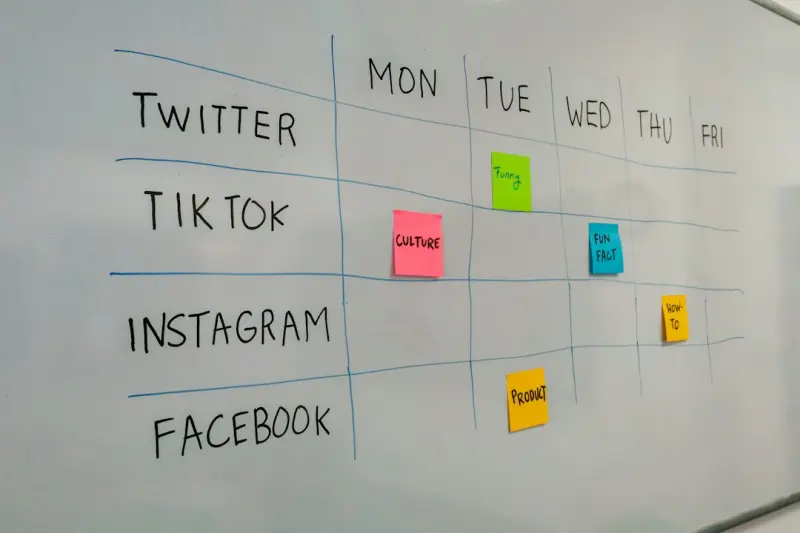
A Customer‑Journey‑Centric Playbook for Social Media Success
Learn how to map social content to awareness, consideration, decision, and advocacy stages, leveragi... Read More
Top Posts
Agile Sprints: The Missing Link in SaaS Content Production
Discover how applying agile sprint methodology to SaaS content production creates a predictable rhythm, speeds up publishing, and aligns marketing output with p...Read More

Predictive Content Calendars: Turning Data Into a Living Growth Engine
Learn how to build a data‑powered content calendar that anticipates audience intent, streamlines production, and maximizes ROI through predictive analytics an...Read More

Interactive Experiences: The Unseen Engine Driving B2B Content Success
Interactive content is reshaping B2B marketing. This post explains why hands‑on experiences drive higher conversions, outlines formats for each buyer stage, a...Read More

Audio‑First Storytelling: How Brands Are Winning Ears Over Eyes
Explore the rise of audio‑first storytelling, its impact on brand engagement, and practical steps to integrate immersive sound into your content strategy....Read More
0 Comments
Post Comment
You will need to Login or Register to comment on this post!