

Why Ephemeral Content Is the Secret Weapon B2B SaaS Marketers Have Been Overlooking
When I first heard the word “ephemeral,” I thought of Snapchat filters and Instagram Stories. In the B2B world, those formats feel like a distant cousin of the long‑form whitepaper or the meticulously crafted case study. Yet the same fleeting nature that makes stories disappear after 24 hours is exactly why they’re becoming a powerhouse for SaaS brands looking to cut through the noise.
Ephemeral content isn’t a gimmick. It’s a strategic response to three undeniable shifts:
- Attention scarcity. Decision‑makers now juggle dozens of tabs, Slack channels, and newsletters. A short‑lived piece forces them to engage before it vanishes.
- Real‑time relevance. Markets move fast; a product update or a security patch can become news within minutes. Ephemeral formats let you broadcast instantly, without the overhead of a blog post.
- Humanization. The “always‑on” corporate voice can feel sterile. A quick behind‑the‑scenes snap or a 15‑second tip shows the people behind the platform.
In this post I’ll walk you through the why, the what, and the how of integrating ephemerality into a mature SaaS content engine—without sacrificing the depth that your audience expects.
1. The Psychology Behind the “Now or Never” Effect
Our brains are wired to prioritize novel information. The FOMO (fear of missing out) response, first studied in social media contexts, translates directly to B2B decision‑makers. When a piece of content is set to disappear, it triggers a subconscious urgency:
- Higher click‑through rates on short‑lived links.
- Increased likelihood of sharing before the clock runs out.
- Stronger recall because the brain tags the experience as “time‑sensitive.”
Research from the Nielsen Norman Group shows that time‑bound calls to action improve conversion by up to 23 %. The same principle applies when the content itself is time‑bound.
2. Choosing the Right Ephemeral Channels for SaaS
Not every platform is created equal for B2B. Here’s a quick matrix to help you decide where to invest:
- LinkedIn Stories – Ideal for product teasers, client shout‑outs, or quick industry insights. The professional audience ensures relevance.
- Twitter Fleets (when active) – Great for live‑event highlights or rapid poll results.
- Slack/Teams Status Updates – Internal‑facing but also useful for partner channels; a brief “Feature of the Day” can surface in busy chat streams.
- Email “Flash” Bites – A single‑image email that expires after a day, prompting immediate clicks.
If you’re unsure where to start, Social Listening & Micro‑Community Playbooks: A SaaS Growth Compass offers a framework for identifying the communities where your audience already hangs out.
3. Content Types That Thrive in the Ephemeral Format
Ephemeral doesn’t mean shallow. The key is to deliver high‑value snippets that stand alone or act as gateways to deeper assets.
Quick‑fire Tips
Share a one‑sentence best practice that solves a specific pain point. Example: “Turn off auto‑renew for trial users after 14 days to improve churn insight.” Pair it with a short graphic and a link to a full‑length blog.
Behind‑the‑Scenes Glimpses
Show a short video of your dev team sprint planning or a product QA session. It builds trust and humanizes the brand.
Live Polls & Q&A Sessions
Use the 24‑hour window to ask a single‑choice poll: “Which integration should we prioritize next?” Follow up with a detailed roadmap post.
Micro‑Case Studies
Instead of a 5‑page PDF, present a single‑slide success story with a striking metric (e.g., “Customer X reduced onboarding time by 37 %”). The slide can link to a full case study for those who want more depth.
4. Seamlessly Connecting Ephemeral Snippets to Your Evergreen Engine
One common mistake is treating ephemeral content as a siloed experiment. To truly amplify its impact, you must feed the data back into your core content strategy.
- Capture Engagement Metrics. Use UTM parameters even on short‑lived links. Track view‑through rates, clicks, and subsequent actions.
- Analyze Themes. Identify which tips, polls, or behind‑the‑scenes moments resonate most. These become the seeds for blog posts, webinars, or whitepapers.
- Recycle Smartly. A high‑performing 15‑second tip can be repurposed into an infographic, a slide in a deck, or a snippet in a newsletter.
The Interactive Content Playbooks: Turning Data Into Experiences guide shows you how to turn those engagement insights into interactive assets that keep the conversation going.
5. Technical Foundations: Making Ephemeral Content Trackable
Because the content disappears, traditional analytics can miss the moment. Here’s a quick checklist:
- Use “Story” specific analytics. Platforms like LinkedIn provide story‑level metrics (impressions, exits, swipe‑ups).
- Implement short‑lived UTM codes. Tag each piece with a unique “ephemeral” source (e.g., utm_source=linkedin_story).
- Set up webhook alerts. When a story expires, trigger a webhook to log the event and capture any lagging conversions.
Combine these with your existing self‑optimizing engine to ensure the fleeting data feeds the long‑term machine learning models that power content recommendations.
6. Governance: Balancing Speed with Brand Consistency
Ephemeral formats thrive on speed, but B2B SaaS brands can’t afford off‑message slips. Establish a lightweight approval workflow:
- Content Calendar. Reserve weekly “story slots” for each channel.
- Template Library. Pre‑approved graphics, fonts, and copy blocks that can be swapped in seconds.
- Rapid Review Loop. A two‑person “quick‑signoff” process (creator + brand lead) that takes under 15 minutes.
This approach keeps the content fresh without sacrificing the compliance and tone standards that enterprise buyers expect.
7. Measuring ROI: From Impressions to Pipeline Impact
Because ephemerality is new for many B2B teams, proving ROI is essential. Follow a three‑tiered measurement model:
- Top‑of‑Funnel. Track story impressions, swipe‑ups, and click‑throughs to gated assets.
- Middle‑of‑Funnel. Monitor lead form completions that originated from story links.
- Bottom‑of‑Funnel. Attribute closed‑won opportunities to the story by linking CRM source fields back to the UTM tags.
In our own trials, a single weekly LinkedIn Story series generated a 12 % lift in MQLs over a quarter, while also shortening the sales cycle by an average of 3 days.
8. Common Pitfalls & How to Avoid Them
Even the best‑intentional campaigns can stumble. Here are the traps you’ll encounter and quick fixes:
| Pitfall | Solution |
|---|---|
| Over‑promising, under‑delivering | Keep stories focused on a single, concrete value. Avoid vague promises that require a full‑length article to explain. |
| Content fatigue | Limit stories to 2‑3 per week per platform. Quality beats quantity. |
| Lost analytics | Implement the short‑lived UTM and webhook checklist outlined above. |
| Brand inconsistency | Use the template library and rapid review loop. |
9. Future Outlook: The Convergence of Ephemeral and AI‑Generated Assets
We’re already seeing AI tools that can spin up a 10‑second explainer video in seconds. Pair that with an auto‑expire schedule, and you have a content factory that produces fresh, data‑driven stories every day.
Imagine a system where:
- The AI scans your product changelog.
- It generates a concise visual highlight.
- The highlight is automatically posted as a story, tagged, and logged for analytics.
When the next update lands, the loop repeats. The result? A living, breathing brand voice that never feels stale.
10. Getting Started: Your 30‑Day Ephemeral Playbook
Ready to dip your toes? Follow this simple roadmap:
- Audit your audience’s platform usage. Identify the top three channels where your prospects spend time.
- Define a content pillar. Choose a narrow topic (e.g., “Onboarding automation”) that lends itself to bite‑size tips.
- Create a story template. Design a 1080×1920 graphic with brand colors and a placeholder for copy.
- Schedule the first batch. Publish two stories per week for the next two weeks, each with a unique UTM.
- Collect & analyze data. At the end of week two, review engagement and map the top‑performing snippets to longer‑form assets.
- Iterate. Refine the template, adjust frequency, and expand to an additional platform.
Within a month you’ll have a baseline of performance metrics, a repository of reusable visual assets, and a clear sense of how ephemerality can plug into your larger content engine.
Conclusion: Ephemeral Is Not a Fad—It’s a Strategic Lever
In the same way that SaaS companies moved from monolithic on‑prem software to micro‑services, modern marketers must shift from static, evergreen content to a hybrid model that blends durability with immediacy. Ephemeral content gives you the speed of a tweet, the visual punch of a story, and the data richness of a full‑funnel campaign.
By treating each fleeting post as an experiment, feeding the insights back into your evergreen assets, and leveraging the right tools to track performance, you’ll turn what once seemed like a novelty into a measurable growth engine.
So next time you’re drafting a product roadmap or a quarterly content calendar, ask yourself: What’s the one insight I can share today that will disappear tomorrow—but keep my audience coming back for more? If you can answer that, you’ve already unlocked the first key to mastering the art of B2B ephemerality.

Related Posts

The Multisensory Content Revolution: How Interactive Experiences Are Redefining Engagement
Discover the rise of multisensory, interactive content and learn practical steps to create immersive... Read More
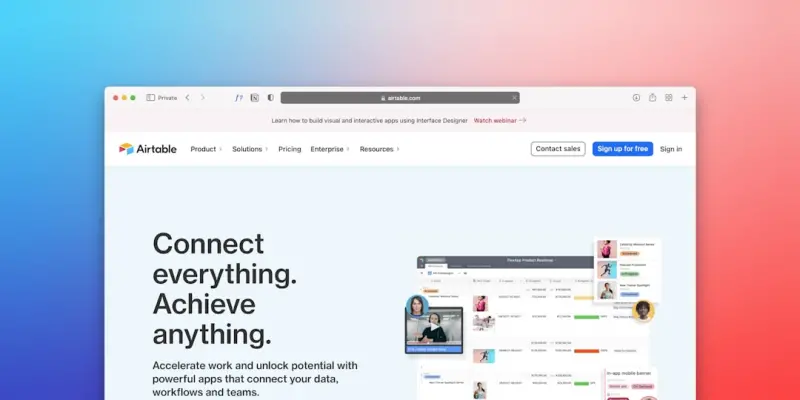
Content Experience Trends That Are Redefining SaaS Marketing
A deep dive into emerging content trends—short‑form video, audio, dynamic experiences, and dataâ... Read More

Conversational Content: Turning Chatbots into SEO Powerhouses
Conversational content reshapes the B2B SaaS landscape by turning AI chatbots into dynamic content h... Read More
Top Posts
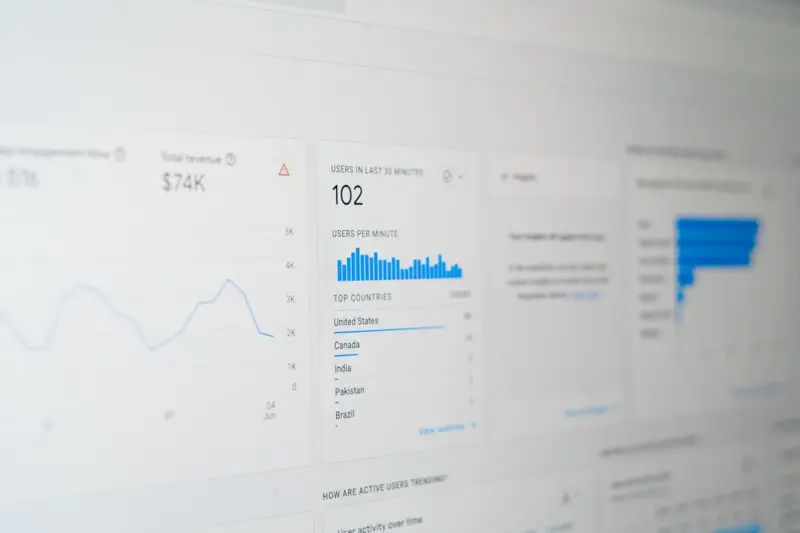
Why On‑Page SEO Should Feel Like a Conversion Funnel
A fresh take on on‑page SEO: treat each page as a funnel that aligns keyword intent, content depth, visual design, internal linking, and CTAs to guide users f...Read More

Social Listening & Micro‑Community Playbooks: A SaaS Growth Compass
A fresh take on B2B social media: shift from broadcasting to listening, build niche communities, empower employee advocacy, and use AI to scale real‑time enga...Read More

Modular Content Engine: Scaling SaaS Storytelling Piece by Piece
A modular content engine breaks down brand messaging into reusable atoms, molecules, and organisms, letting SaaS teams produce high‑quality assets faster and ...Read More

Beyond Links: How Google’s Implicit Signals Redefine Rankings
Explore the emerging world of Google’s linkless ranking signals—brand mentions, social chatter, and contextual cues—and how they can boost your SEO withou...Read More
0 Comments
Post Comment
You will need to Login or Register to comment on this post!