
Why Traditional Link Building Is Stagnating
For years, the SEO playbook has told us to chase high‑authority domains, craft a guest post, and hope the link juice flows. The reality on most B2B SaaS sites is far messier: outreach inboxes are clogged, editors are skeptical, and the cost‑per‑link is skyrocketing. Even the most diligent teams find themselves stuck in a cycle of low‑return outreach that feels more like a numbers game than a strategic initiative.
What’s missing is a shift from “getting links” to “creating links.” In other words, we need to build linkable assets that people actively want to reference because they solve a problem, not because we asked them to. This subtle change flips the power dynamic and opens the door to scalable, sustainable link acquisition.
Enter the “Linkable Asset Marketplace”
Imagine a curated hub where micro‑assets—data visualizations, interactive calculators, benchmark reports, and niche APIs—are listed for free or a modest licensing fee. These assets are designed with one goal in mind: they are inherently link‑worthy. When a marketer or journalist discovers a dataset that answers a specific question, they naturally embed a link back to the source.
Think of it as a two‑sided marketplace:
- Creators (your product, research team, or community) upload assets that showcase expertise.
- Consumers (industry analysts, journalists, partner blogs) discover and embed these assets in their content.
The result is an organic flow of high‑quality backlinks that are earned, not begged for.
Data‑Driven Micro‑Assets: The New Currency
Large, monolithic whitepapers are still valuable, but they’re heavy, hard to digest, and often ignored by busy editors. Micro‑assets, on the other hand, deliver instant value in a compact format. Here are the top three types that have proven to be link magnets:
- Interactive Benchmarks – A searchable table where users can filter by industry, company size, or region. The moment they find a relevant data point, they’re inclined to cite the source.
- API‑Powered Widgets – Offer a free endpoint that returns real‑time metrics (e.g., SaaS churn rates). When developers embed the widget, the script tag automatically includes a backlink.
- Scenario Calculators – Tools that let prospects model ROI, cost savings, or adoption curves. The calculated results page includes a canonical link back to the original asset.
These assets are tiny enough to be created quickly, yet big enough to attract authoritative citations. The key is to ground each asset in original data that only your organization can provide.
AI‑Assisted Prospecting Without Spammy Outreach
Automation is often blamed for creating generic, spammy outreach, but when paired with the right signals it can be a precision tool. Here’s a practical workflow that stays out of the inbox noise:
- Identify Intent‑Based Queries – Use tools that surface long‑tail search queries where your micro‑asset directly answers the question (e.g., “average SaaS churn rate 2024”).
- Map to Relevant Publications – Leverage AI to scan recent articles, research notes, and industry newsletters for those exact queries.
- Personalized Asset Pitch – Instead of a blanket “here’s a guest post,” send a concise note: “I noticed you referenced churn rates in your Q3 report—our interactive benchmark has the latest numbers and a live embed you might find useful.”
- Track Automatic Attribution – Use UTM parameters and schema markup to capture when a link is placed, feeding data back into your ROI dashboard.
This method respects the editor’s time, showcases genuine value, and reduces the “spam” perception that plagues traditional outreach.
Gamified Collaboration Hubs: Turning Community Interaction into Links
Community isn’t just a buzzword; it’s a fertile ground for organic backlinks. By creating a gamified collaboration hub, you encourage users to contribute, share, and reference your assets. Here’s how to set it up:
- Leaderboard for Data Contributions – Allow community members to submit anonymized data points to enrich your benchmark. Rank contributors by volume or impact, and display a badge that links back to their profile.
- Challenge Series – Host monthly “Data Discovery” challenges where participants use your calculators to solve a scenario. Winners get a featured case study that includes a backlink to the original tool.
- Co‑Authored Reports – Invite top contributors to co‑author a quarterly insights report. The collaborative nature ensures multiple external sites will cite the piece, each linking back to the hub.
Gamification fuels engagement, and engaged users naturally become brand advocates who embed links in their own publications.
Measuring Success: From Domain Rating to Real Business Impact
Traditional link metrics (Domain Rating, Trust Flow) are still useful, but they don’t tell the whole story for a B2B SaaS audience. Align your measurement with business outcomes:
| Metric | Why It Matters |
|---|---|
| Referral Traffic from Asset Pages | Shows actual user interest, not just link equity. |
| Lead Conversion Rate on Calculator Results | Direct link between a link‑earned asset and pipeline contribution. |
| Time‑On‑Page for Benchmark Tables | Indicates depth of engagement and content relevance. |
| Number of External Citations per Asset | Tracks the organic link‑building engine in action. |
Integrate these KPIs into your existing SEO roadmap so that link building is no longer a siloed activity but a measurable driver of revenue.
Practical Playbook: 5 Steps to Launch Your Asset Marketplace Today
Ready to move from theory to execution? Follow this concise, actionable plan:
- Audit Existing Data – Catalog all proprietary datasets, APIs, and research your team already owns. Identify which can be transformed into micro‑assets.
- Design the Asset Framework – Choose a consistent visual language, embed schema markup, and ensure each asset includes a
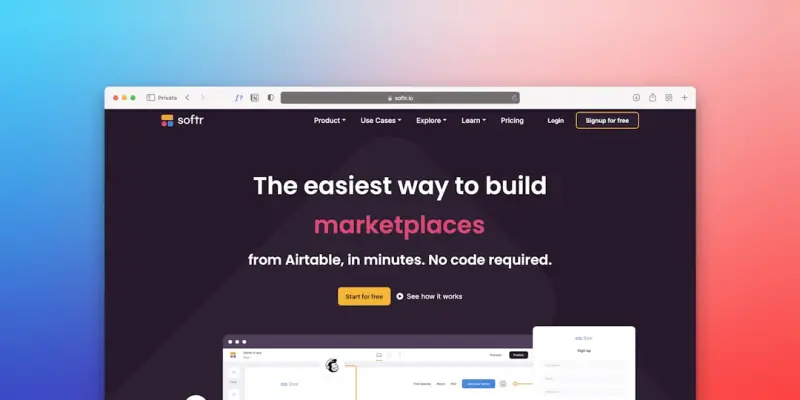
<rel="canonical">tag pointing back to the hub page. - Build the Marketplace – Use a lightweight CMS or a no‑code platform (The No‑Code Content Assembly Line) to host assets, enable search filters, and track usage analytics.
- Seed Initial Outreach – Apply the AI‑assisted prospecting workflow to secure the first 10–15 high‑quality backlinks. Focus on industry newsletters, analyst briefings, and niche blogs.
- Activate the Community – Launch a gamified challenge within your existing user community. Promote the leaderboard publicly to attract external attention and backlinks.
Within three months, you should see a measurable uptick in referral traffic, a healthier backlink profile, and, most importantly, a clear line of sight from those links to pipeline‑ready leads.
Future‑Proofing Your Link Strategy
Search engines are evolving toward Semantic Layering and intent‑first indexing. By centering your link acquisition around data‑rich, structured micro‑assets, you’re inherently aligning with those algorithmic shifts. Each asset becomes a semantic node that search engines can understand, index, and surface in answer boxes—further amplifying visibility without additional outreach.
In a landscape where traditional guest posting feels increasingly transactional, the Linkable Asset Marketplace offers a relationship‑first alternative. It’s a model that scales with your data engine, rewards community participation, and delivers backlinks that are as valuable as they are authentic.

Related Posts

Turning Link Building into a Data‑Backed Growth Engine for SaaS
This post outlines a data‑first, product‑aligned framework for SaaS link building, covering pros... Read More

Empathy‑First Link Building: How to Earn Quality Backlinks That Truly Resonate
Learn how to shift from spammy outreach to empathy‑first link building, using guest posts, broken ... Read More

The Untapped Power of Strategic Link Building for SaaS Growth
Link building for SaaS has evolved beyond outdated tactics. This post reveals how data‑driven asse... Read More
Top Posts

Micro‑Community Mastery: AI‑Powered Social Ads That Talk, Convert, and Scale
Learn a fresh, data‑first approach to social media advertising that focuses on hyper‑targeted micro‑communities, AI‑generated creative, and conversation...Read More

Designing a Content Governance Engine for Scalable SaaS Growth
A deep dive into why content governance is the missing link for SaaS growth, outlining strategic intent, operational blueprints, performance guardrails, and a p...Read More
Local SEO in 2024: Dale Peterson’s Playbook for Neighborhood Dominance
Dale Peterson shares a 2024 local SEO playbook that blends hyperlocal content, mobile optimization, and community link building to dominate neighborhood search ...Read More

The Human‑Centric Playbook for Social Media Advertising Success
Discover a human‑centric approach to social media advertising that blends empathy, data, and creative storytelling to turn clicks into lasting customer relati...Read More
0 Comments
Post Comment
You will need to Login or Register to comment on this post!