

When most SaaS marketers think about local SEO, the first image that comes to mind is a map pin and a handful of neighborhood‑focused keywords. That’s a useful start, but it’s only the tip of the iceberg. The real engine that powers local visibility today is not just where you are—it’s what people say about you. Customer reviews, testimonials, and reputation signals have become the most persuasive local ranking factor, especially for B2B SaaS products that sell to regional offices, franchises, or industry clusters.
The Review Revolution: Why Feedback Now Beats Foot Traffic
In the pre‑review era, Google’s local algorithm leaned heavily on proximity and citation density. Today, a single five‑star review on a trusted platform can outweigh dozens of generic citations. For SaaS companies, this shift is a game‑changer because you already have a built‑in audience that can speak to your product’s impact—your own users.
- Trust signals – Prospects treat reviews as social proof. A well‑rounded mix of quantitative scores and qualitative comments tells Google—and human buyers—that your solution solves real problems.
- Freshness factor – New reviews signal ongoing relevance. The algorithm rewards businesses that consistently earn feedback, which translates into higher local pack rankings.
- Long‑tail relevance – Review content often includes niche phrases (“best time‑tracking SaaS for construction crews”) that match hyper‑specific local queries.
But harvesting reviews isn’t enough. You have to strategically amplify them across your digital footprint.
Step 1: Build a Review Funnel Into Your Customer Journey
Think of the review request as the next logical step in your onboarding flow. After a user hits a success milestone—say, their first report generation or a 30‑day usage anniversary—prompt them with a short, contextual request.
- Timing matters. Ask when the value is fresh in their mind.
- Make it effortless. Provide a one‑click link to your preferred review platform (Google My Business, G2, Capterra, etc.).
- Personalize the ask. Reference the specific feature they love. “We noticed you’ve saved 12 hours a week using our automated invoicing—would you share your experience?”
Integrating this funnel with your SEO for SaaS Knowledge Bases strategy ensures the same language that drives organic traffic also fuels review content. When users see the same terminology in your help articles and in their own feedback, search engines recognize a coherent topical relevance.
Step 2: Curate Reviews Into Local Landing Pages
Every city, state, or industry hub you target deserves its own micro‑landing page. These pages should be more than just a list of services; they should be living proof of success in that locale.
Here’s how to structure a high‑converting local page:
- Header with geo‑specific keyword. “Project Management SaaS for Chicago Teams.”
- Brief intro that mentions local pain points. “Chicago’s fast‑paced construction firms need real‑time coordination.”
- Embedded review carousel. Pull five of the most relevant reviews that mention the city or industry.
- Case study snippet. A short paragraph highlighting a nearby client’s ROI.
- Call‑to‑action. “Schedule a demo with our Chicago specialist.”
Because each page is built around authentic, location‑specific feedback, Google treats them as high‑value, user‑generated content—boosting rankings for queries like “best SaaS for Chicago contractors.”
Step 3: Leverage Structured Data for Review Rich Snippets
Even if you have glowing testimonials, they won’t appear in search results unless you mark them up correctly. Implement Review and AggregateRating schema on your local pages. Here’s a quick checklist:
- Use
itemReviewedto specify your SaaS product. - Include
authorname (or “Anonymous” if needed) anddatePublished. - Provide a
ratingValuebetween 1 and 5. - Wrap the entire block in
@type":"LocalBusiness"if the page is geo‑targeted.
When Google detects this markup, it can surface rich snippets directly in the local pack—think stars, review count, and even a short excerpt. Those visual cues dramatically improve click‑through rates.
Step 4: Turn Negative Feedback Into Local SEO Wins
Every business fears a low star rating, but a balanced review profile (both positive and negative) is actually healthier for SEO. Google’s algorithm interprets a mix of sentiment as authenticity.
When a dissatisfied customer leaves a critique, respond promptly and publicly:
- Apologize and acknowledge the issue.
- Offer a concrete solution or a direct line of contact.
- Update the customer once the issue is resolved.
These public interactions add fresh, keyword‑rich text to your review page—another signal for local relevance. Moreover, the improved experience often converts the disgruntled user into a brand advocate, leading to follow‑up positive reviews.
Step 5: Amplify Reviews Across Third‑Party Platforms
Don’t limit yourself to Google My Business. Industry‑specific directories (e.g., G2 for SaaS, Capterra, TrustRadius) also influence local authority, especially for B2B buyers who start their research on those sites.
Use a review‑aggregation tool to push each new Google review to your profile on these platforms. Consistency across the web builds a stronger citation graph, which Google interprets as higher trustworthiness.
Step 6: Combine Review Signals With Mobile‑First Tactics
Local searches are overwhelmingly mobile. A prospect on the go searching “CRM SaaS near me” expects instant answers. By marrying your review‑rich local pages with Mobile SEO Mastery tactics, you ensure those pages load lightning‑fast and are easy to navigate on a small screen.
- Accelerated Mobile Pages (AMP) for local landing pages can shave seconds off load time.
- Clickable phone numbers and “Get directions” links reduce friction.
- Voice‑search friendly copy (e.g., “Find a SaaS solution for Chicago accounting firms”) captures the growing segment of spoken queries.
Step 7: Measure Impact With Local Attribution Models
Traditional SaaS attribution focuses on MQL → SQL → Revenue pipelines. To prove the ROI of reviews, add a “Local Attribution” layer:
- First‑Touch Review Source. Tag incoming leads with the review platform that referred them (Google, G2, etc.).
- Assist Credit. Use multi‑touch attribution to credit reviews that appear later in the funnel.
- Geo‑Segmented Conversion Rate. Compare conversion rates of leads from high‑rating local pages versus generic global pages.
When you can show a direct correlation between a 4‑star review on a Chicago landing page and a 12% uplift in demo requests, the case for investing in review acquisition becomes undeniable.
Step 8: Create Community Partnerships That Generate Earned Reviews
Local chambers of commerce, industry meetups, and university incubators are fertile ground for authentic reviews. Sponsor an event, provide a free SaaS trial for attendees, and ask participants to share their experience on public platforms.
These partnerships give you two advantages:
- Backlink value. Event pages often link back to your site, bolstering domain authority.
- Review diversity. External reviewers—especially from reputable local institutions—carry extra weight in Google’s eyes.
Putting It All Together: A 90‑Day Review‑Driven Local SEO Blueprint
Below is a concise, actionable timeline you can roll out immediately.
| Week | Focus | Key Action |
|---|---|---|
| 1‑2 | Foundation | Audit existing reviews, claim all relevant Google Business Profiles, and install schema markup. |
| 3‑4 | Funnel Integration | Embed review request triggers into onboarding emails and in‑app notifications. |
| 5‑6 | Local Pages | Launch geo‑specific landing pages with embedded review carousels. |
| 7‑8 | Amplification | Push new reviews to G2, Capterra, and industry directories; schedule community events. |
| 9‑10 | Mobile Optimization | Implement AMP and voice‑search friendly copy on local pages. |
| 11‑12 | Measurement | Set up attribution tags, track conversion lift, and adjust review solicitation cadence. |
By the end of this 90‑day sprint, you should see a measurable rise in local pack impressions, higher click‑through rates from rich snippets, and a noticeable boost in regional demo bookings.
Future‑Proofing: Reviews as a Pillar of AI‑Powered Search
Search engines are moving toward AI‑driven answer generation. When a user asks, “What’s the best SaaS for managing field teams in Denver?” the model will pull from structured data, recent reviews, and localized content to craft an answer.
By feeding the AI engine a steady stream of high‑quality, geo‑tagged reviews, you position your SaaS as the default recommendation. In other words, your review strategy today becomes the knowledge base for tomorrow’s AI search results.
In summary, local SEO for SaaS isn’t about sprinkling a few city names into your meta tags. It’s about turning every satisfied customer into a local ranking signal, structuring that signal for maximum visibility, and measuring its impact with precision. When you treat reviews as a core component of your growth engine, you unlock a sustainable, community‑driven pipeline that outperforms any keyword‑only approach.

Related Posts

Local SEO in 2024: Jody Henderson’s Playbook for Neighborhood Dominance
Jody Henderson shares a 2024 local SEO playbook—optimizing Google Business Profiles, crafting hype... Read More
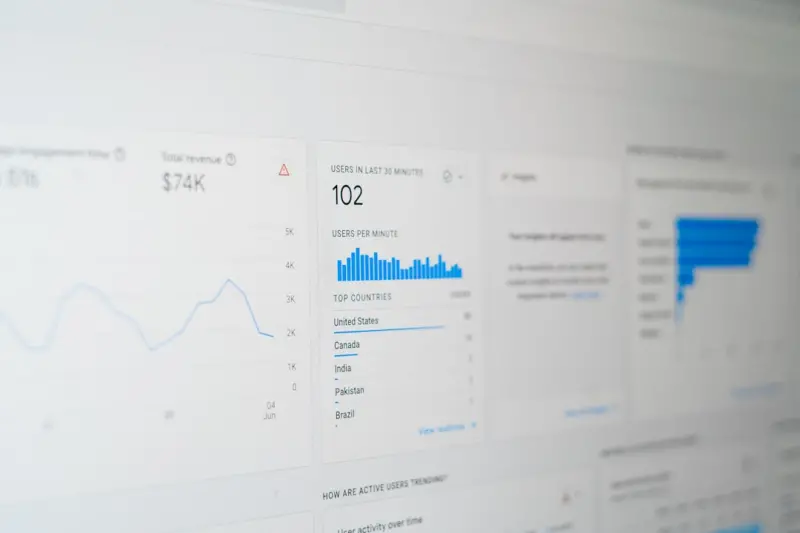
Local SEO for SaaS: Turning Physical Touchpoints Into Search Engines
Discover a practical, data‑focused approach to local SEO for SaaS businesses, covering profile opt... Read More

Local SEO in the Age of AI: How to Stay Ahead of the Competition
Local SEO is evolving rapidly in the age of AI. Learn how to stay ahead of the competition with expe... Read More
Top Posts

Hyperlocal Voice Search & AI‑Powered FAQ: A New Playbook for Small Businesses
Discover how AI‑generated FAQs, micro‑geo content hubs, and video reviews can dominate the 5‑mile radius, driving voice‑search traffic and local authori...Read More

SEO Tips from Steph Sanderson: Human‑Centric Strategies that Actually Work
Steph Sanderson shares actionable, human‑centric SEO tips for 2024, blending mobile‑first tactics, intent‑driven content, and smart link building to eleva...Read More

Beyond Links: How Google’s Implicit Signals Redefine Rankings
Explore the emerging world of Google’s linkless ranking signals—brand mentions, social chatter, and contextual cues—and how they can boost your SEO withou...Read More

Turning User Intent into On‑Page SEO Gold
Discover a fresh on‑page SEO strategy that maps user‑intent clusters to page structure, delivering deeper relevance, higher rankings, and better conversions...Read More
0 Comments
Post Comment
You will need to Login or Register to comment on this post!