
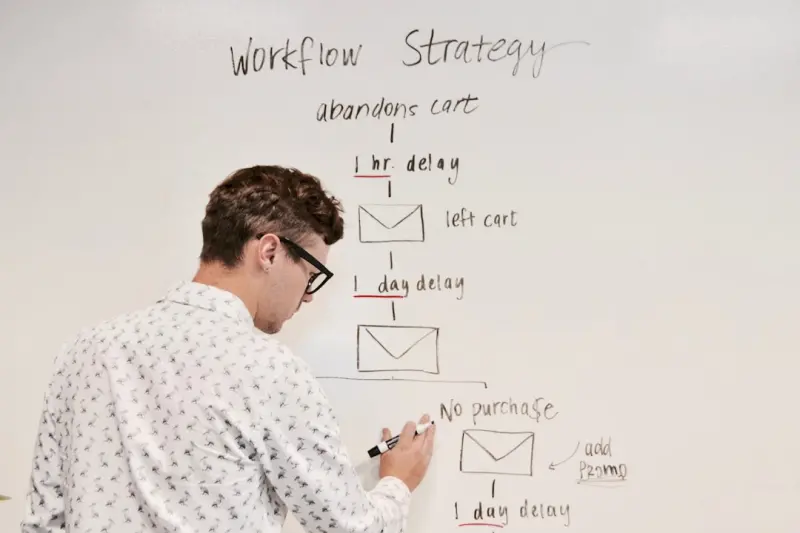
Why Real‑Time Adaptation Beats Static Planning
In the whirlwind of today’s feeds, a static social media calendar quickly becomes a relic, and I’ve learned that the brands that survive are those that treat every algorithm tweak as a live data point rather than a distant memo; this mindset shift means building a culture where insights are harvested hourly, not monthly, and every team member feels empowered to act on a trending meme or a sudden surge in brand mentions. By integrating a real‑time listening stack—combining platform analytics, third‑party sentiment tools, and even raw comment streams—we can surface micro‑trends before they saturate, allowing us to craft micro‑content that rides the wave instead of fighting against it. The payoff is measurable: campaigns that pivot on live data consistently see engagement lifts of 20‑30 % over those that wait for the next scheduled post, proving that agility is the new ROI driver in social media strategy.
Building a Live Listening Dashboard That Actually Works
When I first attempted to stitch together a dashboard, I was overwhelmed by the sheer volume of metrics, so I stripped it down to three core signals—sentiment velocity, share‑of‑voice spikes, and platform‑specific virality scores—and visualized them on a single, color‑coded pane that updates every five minutes, a design choice that keeps the team focused on actionable insights rather than analysis paralysis. To avoid the common pitfall of data overload, I layer these signals with threshold alerts that trigger Slack notifications only when a metric crosses a pre‑defined confidence interval, ensuring that we’re not drowning in noise but reacting to genuine opportunities; this approach mirrors the precision of a trading floor, where every ping could mean a strategic pivot. For those looking to replicate this, the open‑source tools Content Micro‑Loops guide offers a modular framework for pulling in API data, while the Next Wave of Social Media Advertising post reminds us to respect emerging privacy standards when aggregating user‑level signals.
From Insight to Asset: Turning Trends into Shareable Formats
Once a trend is identified, the next challenge is translating that fleeting moment into a format that feels native to each platform, and my go‑to strategy is to develop a “trend‑to‑asset matrix” that maps popular meme structures, audio snippets, or short‑form video tropes to our brand’s voice, ensuring that the final piece feels both timely and on‑brand; this matrix acts as a cheat sheet for designers and copywriters, dramatically cutting production time from hours to minutes. The real magic happens when we batch‑produce variations of the same core idea—different caption angles, alternate visual treatments, and platform‑specific lengths—so that a single insight can fuel a week’s worth of posts across TikTok, Instagram Reels, and LinkedIn Stories, maximizing reach without sacrificing relevance. By treating each trend as a reusable asset rather than a one‑off, we create a library of adaptable content that can be redeployed whenever a similar conversation resurfaces, turning what might have been a fleeting spike into a long‑term engagement engine.
Leveraging Platform Algorithms as Collaborative Partners
Instead of viewing algorithms as opaque gatekeepers, I approach them as collaborative partners that reward consistency, relevance, and freshness, and this perspective informs how I schedule experiments—each post is tagged with a hypothesis about which algorithmic factor it’s testing, be it dwell time, click‑through rate, or user‑generated interaction, allowing us to attribute performance to specific signal drivers with confidence. By maintaining a living spreadsheet of these hypotheses and their outcomes, we build a knowledge base that informs future content decisions, turning what used to be guesswork into a data‑driven playbook that can be shared across brands and agencies alike. The ultimate benefit is twofold: we not only improve our own reach but also gain the ability to forecast algorithmic shifts, positioning our clients as early adopters rather than laggards in the ever‑evolving social landscape.
Humanizing Data: The Role of Narrative in Real‑Time Reporting
Numbers alone rarely inspire action, so I craft each dashboard update as a concise narrative that tells the story of a rising conversation, a waning sentiment, or a surprise demographic surge, weaving in direct quotes from users, contextual industry news, and a clear recommendation for the next creative step; this storytelling approach turns raw data into a compelling call‑to‑action that resonates with both marketers and executives. To keep the narrative fresh, I embed short video clips or GIFs that capture the essence of the trend, turning a static report into a multimedia experience that mirrors the platforms we’re optimizing for, and I always close with a “what‑now” section that outlines three concrete tactics—whether it’s launching a poll, replying to a viral thread, or repurposing a meme for an ad set. By framing data as a living conversation rather than a static snapshot, we foster a culture of rapid iteration and continuous learning that keeps the brand’s voice agile and authentic.
Privacy‑First Listening: Balancing Insight with Trust
With increasing regulations and user awareness, real‑time listening must be built on a foundation of privacy‑first practices, and I start every listening initiative by auditing the data sources for compliance, ensuring that any personally identifiable information is either anonymized or excluded from analysis, a step that not only protects the brand from legal risk but also signals respect for the audience’s digital rights. To maintain this balance, I employ privacy‑enhanced APIs that return aggregated sentiment scores and trend volumes without exposing individual user data, and I pair these with consent‑driven community polls that invite followers to voluntarily share insights in exchange for exclusive content or early access, turning compliance into an engagement opportunity. This dual focus on ethical data collection and transparent communication builds trust, which in turn amplifies the authenticity of the content we produce, creating a virtuous cycle where privacy‑conscious practices become a competitive advantage rather than a constraint.
Cross‑Channel Synchronization: Orchestrating the Real‑Time Symphony
When a trend erupts on one platform, the moment it gains traction is the perfect window to echo that momentum across others, and I orchestrate this by establishing a “real‑time sync protocol” that assigns a rapid‑response owner for each channel, a predefined content adaptation checklist, and a shared publishing queue that updates in seconds, ensuring that the brand’s voice remains cohesive while respecting each platform’s unique nuances. This protocol also integrates a feedback loop where performance metrics from the initial platform inform the creative tweaks for subsequent channels, allowing us to refine messaging on the fly and avoid the pitfall of a one‑size‑fits‑all approach that can feel tone‑deaf or out of context. By treating each platform as a complementary instrument rather than an isolated stage, we amplify reach, boost cross‑platform engagement, and demonstrate to the audience that the brand is listening and responding wherever the conversation happens.
Measuring Success in the Real‑Time Era
Traditional KPI dashboards often lag behind the speed of conversation, so I supplement them with “pulse metrics”—short‑term indicators like trend lift ratio, instant sentiment swing, and rapid share‑of‑voice change—that refresh every few minutes and give an immediate sense of whether a real‑time tactic is resonating, providing the granularity needed to make split‑second decisions that can mean the difference between viral success and missed opportunity. To keep these pulse metrics meaningful, I anchor them to longer‑term goals such as follower growth, brand lift, and conversion rates, creating a layered reporting structure where short‑term spikes are evaluated in the context of sustained performance, thereby preventing the temptation to chase vanity metrics at the expense of strategic objectives. This balanced measurement framework ensures that every real‑time move is not only reactive but also aligned with the broader business narrative, turning fleeting moments into lasting brand equity.
Scaling the Real‑Time Playbook Across Teams
As the organization grows, the temptation is to silo listening responsibilities into a single social team, but I’ve found that true scalability emerges when the real‑time mindset is embedded across product, customer support, and even HR, each department receiving customized alerts that align with their objectives—be it a surge in feature requests, a spike in support tickets, or a cultural trend that impacts employer branding; this cross‑functional diffusion turns the entire company into a responsive organism that can pivot collectively. To facilitate this, I roll out a lightweight training module that teaches teams how to interpret the core signals, set appropriate thresholds, and craft rapid responses, coupled with a shared repository of pre‑approved brand assets that can be quickly adapted, dramatically reducing the time from insight to execution across the board. By democratizing real‑time listening, we not only amplify our capacity to engage but also reinforce a unified brand narrative that feels both immediate and consistently on‑message, no matter which team is speaking.

Related Posts

How Employee Advocacy Turns Your Social Channels into a Trust Engine
Employee advocacy transforms bland brand broadcasts into authentic, trust‑building conversations. ... Read More
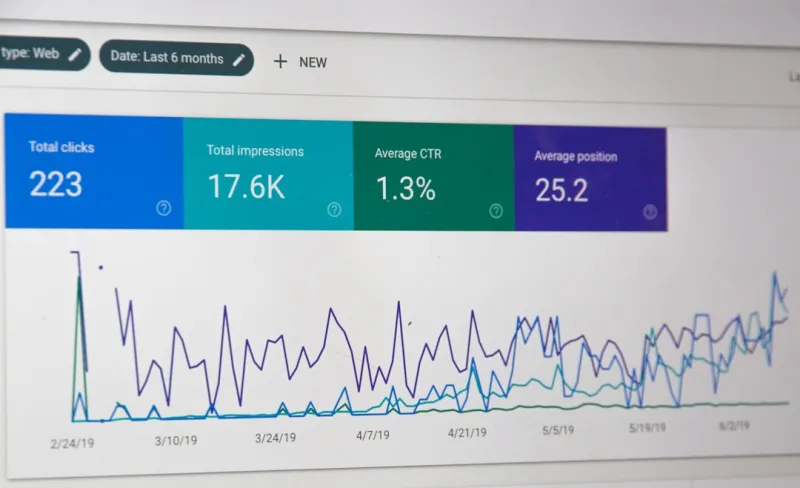
Revolutionizing Social Media Strategy: How SEO and Content Marketing Converge
A well-planned social media strategy paired with a robust SEO approach and high-quality content mark... Read More

Social Listening & Micro‑Community Playbooks: A SaaS Growth Compass
A fresh take on B2B social media: shift from broadcasting to listening, build niche communities, emp... Read More
Top Posts

Voice‑First Content Strategy: Turning Talk Into Traffic
Learn why voice search matters, how to map spoken intent to content, and five actionable steps to make your brand the go‑to answer for smart speakers and conv...Read More

Turning Content Into Conversational Experiences That Convert
Learn why conversational content is the next frontier in marketing, how to design interactive experiences, and the tools that turn casual readers into loyal cus...Read More

When Customers Speak: Voice Search Tactics for Local SEO
Voice search is reshaping local SEO. Learn practical steps—schema markup, API‑powered citations, micro‑geography tactics, and review optimization—to dom...Read More

Decoding Cognitive Load: A Fresh On‑Page SEO Playbook
Learn to redesign your pages for lower cognitive load, using visual hierarchy, micro‑interactions, and smart linking to boost SEO and user satisfaction....Read More
0 Comments
Post Comment
You will need to Login or Register to comment on this post!