

Why the Social Media Landscape Is Shifting Toward Micro‑Communities
After years of pouring budgets into the giants of social media, marketers are waking up to a quieter, more potent reality: audiences are fragmenting into purpose‑driven micro‑communities that value depth over breadth. These tight‑knit groups form around shared passions, niche hobbies, or emerging cultural moments, and they reward brands that show up with genuine relevance rather than generic shout‑outs. As the noise on mainstream feeds grows louder, the cost of cutting through the clutter rises, making the intimate ecosystems of platforms like Discord, Clubhouse, and niche Reddit forums a strategic goldmine for forward‑thinking teams.
The Fatigue Factor: When Bigger Isn’t Better
Even the most loyal followers on large platforms report a growing sense of overwhelm, scrolling through endless ads and algorithmic guesses that rarely hit the mark. This platform fatigue translates into lower engagement rates, higher ad costs, and a shrinking return on investment for brands that cling to a one‑size‑fits‑all approach. By recognizing the symptoms of fatigue—declining click‑throughs, rising unfollows, and a surge in “shadow‑banning” complaints—marketers can justify a pivot toward environments where the audience’s attention is already pre‑filtered by interest.
Finding the Right Niche Platforms for Your Brand
The first step in any micro‑community strategy is a disciplined audit of emerging platforms that align with your brand’s core identity. Instead of chasing every new app, focus on those with a clear purpose, active moderation, and a demographic that mirrors your target persona. Tools like social listening dashboards can surface hidden conversations, while community‑centric research methods reveal the language, rituals, and pain points that dominate each niche. The goal is to pinpoint three to five platforms where you can plant a flag without spreading yourself too thin.
Crafting an Authentic Voice That Resonates in Small Spaces
In micro‑communities, authenticity is non‑negotiable; members can spot inauthentic branding faster than on any broad platform. Your brand’s voice must adapt to the community’s vernacular, embracing inside jokes, cultural references, and the cadence of the platform itself. This doesn’t mean abandoning your core messaging, but rather translating it into the native dialect of each group—whether that’s a casual meme‑laden tone on a gaming Discord server or a polished, data‑driven narrative on a professional Slack channel. Consistency across these tailored touchpoints builds trust and positions your brand as a true member, not a marketer in disguise.
Turning Audiences Into Co‑Creators
The most powerful lever in micro‑community strategy is inviting members to co‑create content, products, or experiences that reflect their collective identity. When users feel ownership, their advocacy skyrockets, turning them into unpaid brand ambassadors who spread the word organically. Platforms that support collaborative tools—like live polls, co‑design workshops, or user‑generated playlists—become incubators for innovation. By spotlighting top contributors and rewarding their input, you nurture a feedback loop that fuels both community loyalty and product relevance. For a deeper dive on leveraging creator networks, see Micro‑Content Hubs.
Measuring Success Beyond Vanity Metrics
Traditional social metrics—likes, followers, and impressions—lose their meaning in the context of micro‑communities, where engagement quality outweighs quantity. Instead, track participation rates in community‑specific activities, sentiment shifts in conversation threads, and the conversion rate of community members to beta testers or repeat customers. Qualitative indicators, such as the frequency of user‑generated ideas that make it into product roadmaps, are equally vital. By establishing a balanced scorecard that blends quantitative data with narrative insights, you can demonstrate real business impact and justify continued investment.
Integrating Micro‑Communities Into the Wider Marketing Funnel
Micro‑communities should not exist in isolation; they serve as high‑intent touchpoints that feed into broader acquisition and retention strategies. Use community insights to inform top‑of‑funnel content, nurture leads with personalized email sequences, and retarget engaged members with tailored offers on larger platforms. Conversely, bring the broader audience into the niche spaces through exclusive invites, sneak‑peek events, or limited‑edition drops that reward participation. This two‑way flow creates a seamless ecosystem where each channel amplifies the other, maximizing overall brand reach while preserving the intimacy of niche engagement.
Real‑World Example: A Boutique Outdoor Gear Brand’s Rise
Consider the case of a small outdoor equipment maker that shifted 30% of its ad spend from Instagram to a specialized hiking Discord server. By hosting weekly “gear‑talk” AMAs, co‑designing a new line of ultralight backpacks with community members, and rewarding contributors with early‑bird discounts, the brand saw a 45% lift in conversion rates from that community alone. Moreover, the user‑generated design ideas accounted for 20% of the season’s product lineup, reinforcing the feedback loop between community insight and product development. This example illustrates how a focused micro‑community strategy can drive both revenue and brand loyalty without the massive overhead of mainstream platform campaigns.
Actionable Checklist for Launching Your Micro‑Community Strategy
To get started, follow this concise roadmap: 1) Identify three niche platforms that align with your brand values; 2) Conduct deep‑dive listening using tools like the social listening engine linked earlier; 3) Develop a tone guide that mirrors each community’s language; 4) Design a co‑creation program with clear incentives; 5) Set up a hybrid analytics dashboard that tracks both quantitative and qualitative KPIs; 6) Align community insights with your broader funnel tactics; 7) Iterate monthly based on feedback and performance data. By treating each step as a sprint, you can rapidly test, learn, and scale the most promising micro‑community engagements.

Related Posts
Why B2B SaaS Should Treat Social Media Like a Product Lab
Learn a fresh approach to social media strategy that transforms platforms into a product lab—lever... Read More
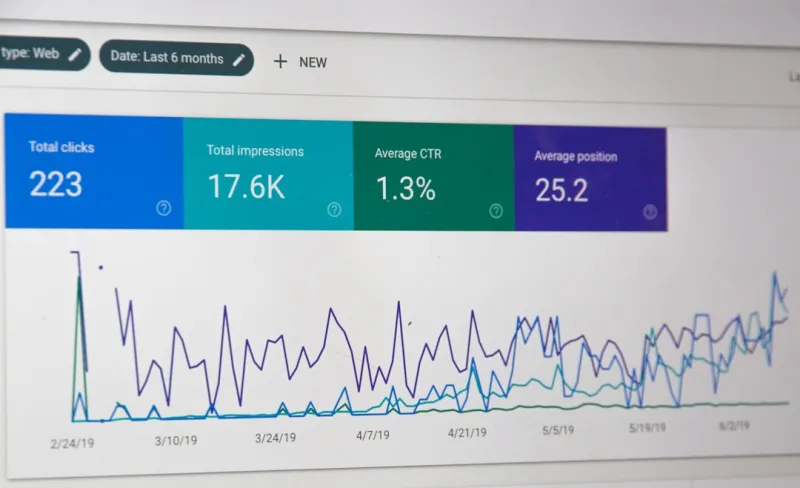
Revolutionizing Social Media Strategy: How SEO and Content Marketing Converge
A well-planned social media strategy paired with a robust SEO approach and high-quality content mark... Read More
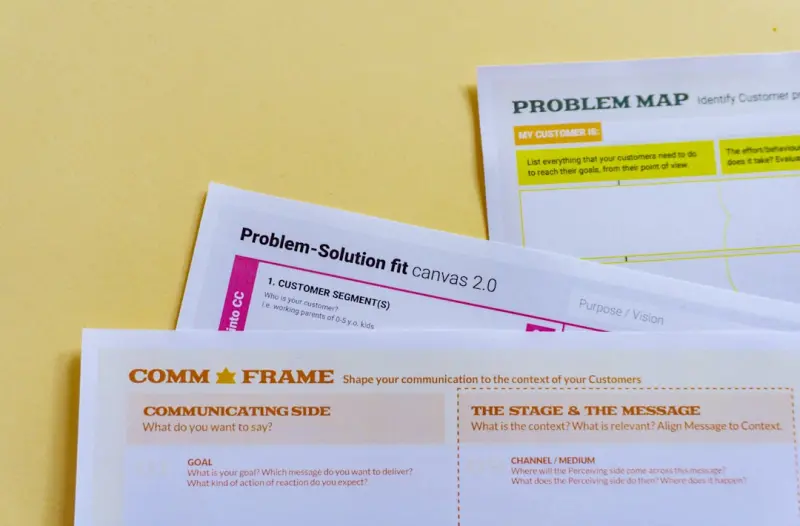
Crafting a Cohesive Storytelling Framework for Multi‑Platform Social Media Success
Discover a step‑by‑step framework to turn fragmented posts into a unified brand story that reson... Read More
Top Posts

Blueprint for Content Creators: Building a Narrative Architecture That Scales
Learn to craft a scalable narrative framework that transforms every blog, video, and post into a unified story, driving deeper audience connection and lasting a...Read More

Optimizing for Voice Search: The Future of Technical SEO
Voice search is rapidly growing in popularity, and technical SEOs need to stay ahead of the curve. Learn how to optimize your website for voice search and impro...Read More
Social Media as a Real‑Time Product Lab for SaaS Growth
Discover how treating social media as a real‑time research lab can turn comments and polls into actionable product insights, speeding up development and deepe...Read More

Shoppable Live Streams: Turning Real-Time Video Into Direct Sales
Shoppable live streams blend video, commerce, and community, turning real‑time engagement into direct sales. Learn the tactics, tech, and metrics that make th...Read More
0 Comments
Post Comment
You will need to Login or Register to comment on this post!