
Why Social Audio Isn’t Just a Fad Anymore
When the buzz around short‑form video finally settles, a quieter but equally powerful wave is reshaping how brands converse with audiences: social audio. Listeners are tuning into live rooms, club‑style chats, and bite‑sized voice clips while scrolling through their feeds, and they expect authenticity that feels less produced and more conversational. Strategic social audio lets you cut through the visual clutter, build trust in real time, and position your brand as the host of a community rather than just another marketer shouting into the void.
Mapping the Micro‑Community Landscape
The first step is to identify the niche clusters where your ideal customers already gather—whether that’s a hobbyist club on a new platform, a professional roundtable in a dedicated audio app, or an informal chat group that lives inside a messaging service. Use social listening tools to surface the topics, language, and pain points that dominate those spaces, then sketch out personas that reflect the listeners’ motivations and daily routines. By visualizing these micro‑communities, you can craft a strategy that feels personal, not generic, and you’ll avoid the common trap of broadcasting generic content to a broad audience that never converts.
Designing a Distinct Brand Voice for the Ear
Audio demands a different tonal palette than text or visuals; you can’t rely on bold fonts or bright colors to convey personality. Instead, focus on cadence, pacing, and storytelling rhythm that align with your brand’s core values. Record a few pilot episodes where you experiment with a conversational tone, a more formal lecture style, and a playful banter approach—listen back, gather feedback, and let the data guide the final voice. A well‑defined audio persona becomes the glue that holds your community together and sets expectations for every live drop or recorded snippet.
Choosing the Right Content Formats
Social audio isn’t monolithic; it spans live rooms, episodic podcasts, and short “audio bites” that can be embedded in stories or posts. Live rooms are perfect for real‑time Q&A, product demos, or co‑hosting events with industry influencers, while podcasts allow you to dive deeper into thought leadership topics that require more time. Short clips—often under 60 seconds—serve as teasers or quick tips that can be repurposed across platforms, driving traffic back to the longer formats. By mixing these formats, you keep the community engaged at different touchpoints without overwhelming them.
Fueling Engagement with User‑Generated Contributions
The most sustainable audio communities thrive on listener participation; the audience should feel they’re co‑creating the conversation. Invite members to submit voice notes, ask questions live, or even host a “listener takeover” where a super‑fan runs the room for an hour. This participatory model not only boosts retention but also generates a library of authentic content you can later edit into highlights or case studies. For example, integrating interactive experiences into your audio sessions can turn passive listeners into active contributors, creating a feedback loop that continually refines your messaging.
Measuring Success Beyond Vanity Metrics
Traditional social metrics—likes, shares, and follower counts—don’t capture the depth of engagement that audio offers. Instead, track metrics like average listening duration, repeat attendance rates for live rooms, and the number of user‑generated voice submissions per session. Combine these with conversion data such as click‑throughs from audio descriptions to landing pages or coupon codes mentioned during a broadcast. A robust analytics framework lets you tie each audio touchpoint back to revenue impact, ensuring your social audio strategy is accountable and scalable.
Amplifying Audio Content Across the Ecosystem
Don’t let your audio assets sit in a silo; repurpose them to extend reach and reinforce messaging across channels. Transcribe key moments from live rooms into blog posts, turn podcast chapters into carousel slides, and embed short audio clips in newsletters or Instagram Stories. This cross‑pollination not only maximizes content ROI but also reinforces brand recall through multiple formats. When you align audio with visual and written assets, you create a cohesive narrative that feels familiar wherever your audience encounters it. Leveraging insights from hyper‑personalized campaigns can further refine how you target and retarget listeners with complementary content.
Monetizing Community Trust Through Social Commerce
Once you’ve cultivated a loyal audio community, you can weave commerce into the conversation without feeling intrusive. Introduce limited‑time offers, exclusive product drops, or affiliate links that are mentioned naturally during a live demo or interview. The key is to frame these promotions as value‑added recommendations from a trusted host, not a hard sell. By tracking the redemption codes associated with each audio episode, you gain granular insight into which topics or hosts drive the highest conversion rates, allowing you to fine‑tune future monetization tactics.
Iterating for the Future: Staying Agile in a Rapidly Evolving Space
The social audio landscape will continue to evolve as platforms introduce new interactive features and as listener habits shift. Maintain a culture of experimentation: test new room formats, pilot emerging platforms, and solicit direct feedback after each session. Keep an eye on emerging trends like spatial audio, AI‑generated voice assistants, and integrated shopping experiences, and be ready to incorporate them into your roadmap. By treating your audio strategy as a living experiment rather than a static plan, you’ll ensure that your brand remains at the forefront of community‑driven growth.

Related Posts
Turning Micro‑Influencers Into Long‑Term Brand Ambassadors
A fresh approach to social media: turn niche creators into enduring brand ambassadors using data, au... Read More

From Broadcast to Dialogue: Rethinking Social Media Strategy for SaaS
A fresh approach to social media treats platforms as real‑time intelligence hubs, using listening,... Read More
Revolutionizing Your Social Media Strategy for Maximum Engagement
Revolutionize your social media strategy with a deep understanding of your target audience, a well-c... Read More
Top Posts
Designing a Future‑Ready Content Strategy for SaaS Growth
A fresh, journey‑first framework shows how to map buyer arcs, create dynamic content hubs, embed real‑time personalization, and use AI responsibly—turning...Read More

When Toys Talk: AI Storytelling Toys Redefine Imagination
AI storytelling toys turn ordinary play into dynamic adventures, listening, learning, and crafting tales on the fly. Discover their rise, benefits, and the bala...Read More
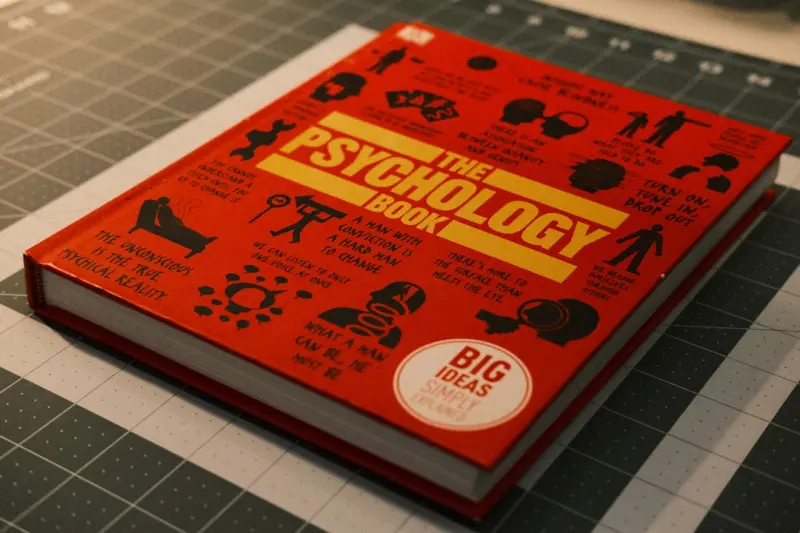
The Hidden Psychology Behind Blind‑Box Collectibles and Their Rise in Modern Play
Blind‑box toys blend mystery, storytelling, and modern tech to spark curiosity and community, offering educational benefits while navigating sustainability an...Read More

Hyper‑Local Partnerships: The New Frontier for Local SEO Success
Learn how forming authentic partnerships with local influencers and businesses can amplify your visibility, earn quality backlinks, and boost foot traffic throu...Read More
0 Comments
Post Comment
You will need to Login or Register to comment on this post!