
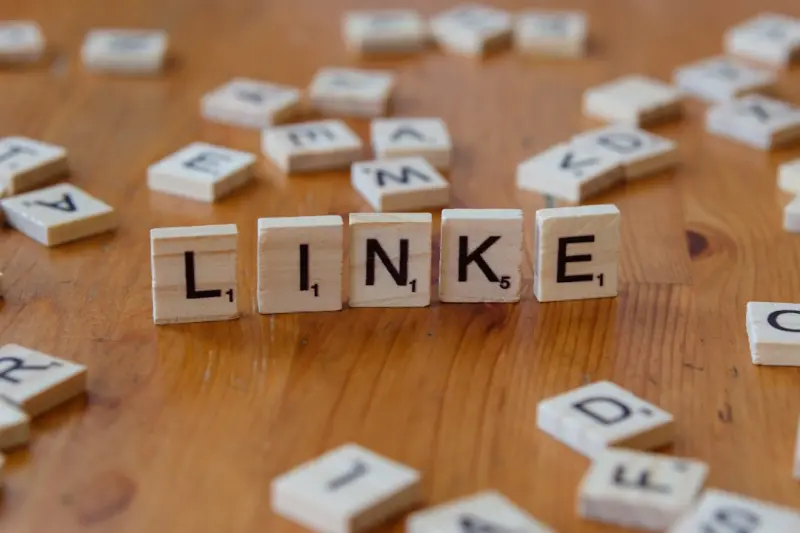
Why Traditional Link Building Needs a Refresh
When I first started building links, the playbook was simple: chase directories, swap guest posts, and hope a few editorial mentions would trickle in, but over time the Google algorithm has become a relentless referee that penalizes low‑quality signals, forcing marketers to rethink the very foundation of how we earn authority, and that’s where my own journey as a link‑building strategist took a decisive turn toward more sustainable, relationship‑driven tactics; the old “spray‑and‑pray” mindset not only wastes budget but also erodes brand credibility, a truth that became painfully clear after a client’s traffic nosedived from a single spammy link removal; today, building links that stand the test of algorithm updates means investing time in assets that people genuinely want to reference, and the most effective way to do that is to create something that serves a community’s unmet need while simultaneously positioning your brand as an indispensable resource.
The Power of Collaborative Research
One of the most underutilized avenues for high‑quality backlinks is collaborative research—partnering with industry peers, academic institutions, or niche data providers to produce original studies, surveys, or benchmark reports that surface fresh insights, and because the resulting whitepaper is a unique piece of intellectual property, every participant has a vested interest in promoting it across their own sites, newsletters, and social channels, effectively turning each partner into a natural link‑building champion; the beauty of this approach lies in its dual benefit: you not only generate a linkable asset but also gain credibility by aligning your brand with respected voices in the field, a strategy that feels less like a gimmick and more like a genuine contribution to the knowledge base of your industry.
- Identify a gap in existing data that your audience cares about.
- Reach out to complementary brands or experts who can add credibility.
- Co‑author a report, assign clear promotion responsibilities, and publish on a dedicated landing page.
Finding the Right Research Partners
My first rule when scouting potential collaborators is to prioritize relevance over reach; a small‑scale fintech startup that specializes in micro‑investing might have a tighter, more engaged audience than a massive tech conglomerate, and when you present a data‑driven study that directly addresses their user pain points, they’re far more likely to embed a link in their resource hub, blog, or even press release, especially when you can demonstrate the mutual SEO upside and brand exposure; to streamline the outreach, I create a short “research proposal deck” that outlines the hypothesis, methodology, and promotional plan, and I always include a clear AI‑Driven Link Building Tactics reference to show I’m aware of the latest best practices, which signals professionalism and increases reply rates.
A Real‑World Example: The Sustainable Packaging Survey
Last quarter, I teamed up with a boutique packaging consultancy and a leading environmental NGO to conduct a survey on consumer attitudes toward biodegradable materials, and within three weeks we amassed responses from over 4,000 shoppers across three continents; the final report featured an interactive infographic, a downloadable PDF, and a series of actionable recommendations, and each partner proudly showcased the study on their site with a contextual backlink, resulting in a collective 30% uplift in referral traffic and a noticeable jump in domain authority for all involved, proving that when you solve a genuine problem, the links follow organically; the success of this project also inspired me to write a detailed guide on Micro‑Content Hubs, which now serves as a secondary asset that continues to attract links from niche blogs seeking a concise summary of our findings.
Turning Podcast Guest Spots into Authority Links
While research collaborations dominate the strategic landscape, I’ve discovered that podcast guest appearances are an equally potent source of high‑quality backlinks, especially when the episode notes include a “show notes” section that links back to your site; podcasts enjoy a captive audience that trusts the host’s recommendations, and when you provide valuable, data‑backed talking points, the host often cites your research or website as a reference, which not only drives targeted traffic but also delivers a contextual link from a domain with strong editorial standards, a win‑win that aligns perfectly with the modern link‑building ethos of relevance and trust; to maximize impact, I prep a concise “episode pitch” that highlights a unique angle, a few compelling statistics from recent studies, and a clear call‑to‑action for the host to include a backlink in the episode description.
Securing the Perfect Podcast Placement
The outreach process for podcasts mirrors the research partnership model: start by curating a list of shows whose audience aligns with your buyer personas, then personalize each email by referencing a recent episode and suggesting a specific topic where your expertise adds value, and always attach a one‑page media kit that showcases your previous speaking engagements, notable mentions, and a brief bio that underscores your authority; when the host agrees, I deliver a pre‑recorded segment or a live interview that seamlessly weaves in references to my own content, ensuring that the resulting link is not just a footnote but a meaningful gateway for listeners eager to explore the data or tools discussed, and I track each placement using UTM parameters to measure referral quality and conversion rates.
Measuring ROI and Scaling Your Efforts
To justify the time investment, I treat every research collaboration and podcast appearance as a mini‑campaign, setting clear KPIs such as referral traffic, backlink domain authority, and conversion lift, and I rely on a combination of Google Search Console, Ahrefs, and custom dashboards to monitor link acquisition velocity, anchor text distribution, and the downstream impact on keyword rankings, allowing me to iterate quickly and double down on the formats that deliver the highest ROI; for instance, after analyzing the data from my recent podcast tour, I discovered that episodes hosted on niche industry platforms generated 2.5× more qualified leads than those on broader business podcasts, prompting a strategic shift toward deeper, sector‑specific outreach, a decision that would have been impossible without robust measurement.
Automation Without Losing Authenticity
While the heart of collaborative link building is genuine relationship building, certain repetitive tasks can be automated to free up creative bandwidth, and I use tools like Zapier to trigger follow‑up emails after a podcast recording, schedule social media promotion for newly published research, and even generate a basic outreach template that personalizes the recipient’s name, recent content, and a tailored value proposition, all while ensuring the tone remains conversational and authentic, because a robotic outreach email is quickly flagged as spam and erodes trust; however, I never automate the core of the conversation—the brainstorming of research questions or the preparation of interview talking points—because those moments are where true expertise shines and where the seed for a natural backlink is planted.
Future‑Proofing Your Link Profile
Looking ahead, the most resilient link profiles will be those built on assets that continue to earn relevance as the digital landscape evolves, and that means focusing on evergreen research, ongoing podcast series, and other content formats that can be updated and repurposed over time, turning a single backlink into a long‑term traffic engine; by embedding links within contextually rich assets, you protect yourself against algorithmic volatility, and you also create a virtuous cycle where each new piece of data or interview fuels additional outreach opportunities, amplifying both brand authority and organic visibility; if you’re ready to move beyond the outdated tactics that dominate the “quick‑win” headlines, start mapping out the first collaborative study or podcast pitch on your calendar this month, and watch how a strategic, relationship‑first approach reshapes your link‑building results for the better.

Related Posts

Beyond Guest Posts: Building Links with Data‑Driven Resource Hubs
Learn a fresh link‑building strategy that uses original data, interactive calculators, and well‑... Read More

The Art of Link Building: Strategies to Boost Your Online Presence
Link building is a crucial aspect of SEO that can help you boost your online presence and drive more... Read More

Empathy‑First Link Building: How to Earn Quality Backlinks That Truly Resonate
Learn how to shift from spammy outreach to empathy‑first link building, using guest posts, broken ... Read More
Top Posts

Community Events: A Boost for Local SEO
Local SEO gains a powerful edge when SaaS companies engage in community events. This guide walks through selecting the right gatherings, leveraging structured d...Read More

Mobile-First Indexing: The Key to Unlocking Your Website's Full Potential
Mobile-first indexing is here to stay. Learn how to optimize your website for mobile search and improve your website's visibility, drive more traffic, and incre...Read More

Unlocking Revenue: How Social Commerce Is Redefining Paid Advertising
Learn to turn Instagram, TikTok, and Facebook feeds into revenue-generating storefronts with data‑driven product tagging, shoppable video, and advanced attrib...Read More

Crawl Budget Mastery: How to Maximize Indexation for Massive Websites
A deep dive into crawl budget optimization, covering site architecture, server logs, speed improvements, and future‑proof tactics to ensure every crawl dollar...Read More
0 Comments
Post Comment
You will need to Login or Register to comment on this post!