
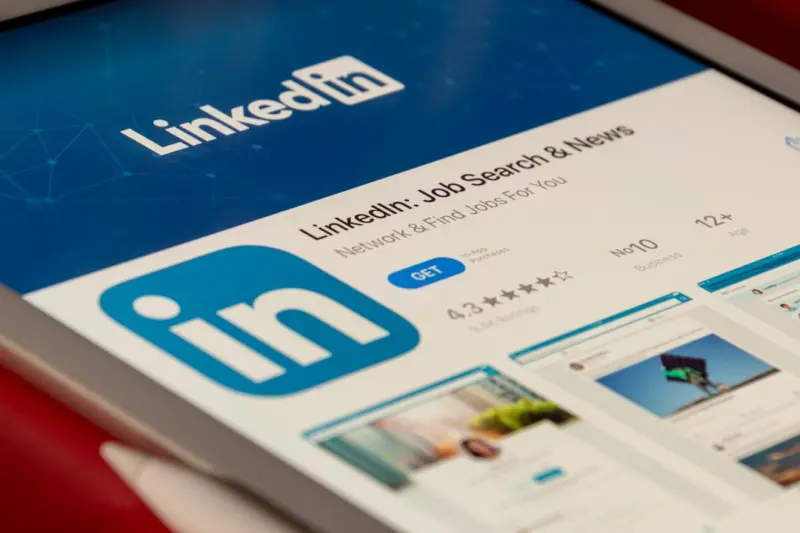
Why LinkedIn Is a Hidden Search Engine
When I first dove into LinkedIn SEO, I realized the platform isn’t just a professional network—it’s a searchable web of profiles that Google crawls and ranks just like any other site. Every headline, summary, and skill tag becomes a data point that can surface you in both LinkedIn’s internal search and the broader Google SERPs, creating a dual‑layered visibility engine. This realization shifted my strategy from occasional posting to treating my profile as a living SEO asset that needs continuous optimization.
The Anatomy of an SEO‑Friendly Profile URL
One of the simplest yet most powerful tweaks is customizing your public profile URL to include your primary keyword or professional title, because clean URLs signal relevance to both users and crawlers. Instead of the default alphanumeric string, I replaced it with “/in/seo‑consultant‑jane‑doe,” instantly aligning my identity with the term prospects type into Google. This small change not only improves click‑through rates but also reinforces semantic signals that help search engines understand your niche.
Strategic Keyword Research for Your Headline and Summary
Just as you would perform keyword research for a blog post, I treat my LinkedIn headline and summary as mini‑landing pages that need targeted terms to capture intent. Using tools like Google Keyword Planner and LinkedIn’s own search suggestions, I identified high‑volume phrases such as “digital marketing strategist” and “B2B lead generation expert,” then naturally weaved them into my 220‑character headline and the first 300 words of my summary. The result? A noticeable lift in both LinkedIn profile views and organic Google impressions.
Optimizing the Featured Section with Rich Media
The Featured section acts as a curated portfolio that can earn additional inbound links when you attach blog posts, slide decks, or videos that are already ranking elsewhere. I strategically pinned a recent article titled “How to Turn Your LinkedIn Company Page into an SEO Powerhouse,” linking back to my site with a LinkedIn SEO best practices anchor, which not only drove referral traffic but also signaled authority to search engines. Pairing this with optimized alt‑text and descriptive titles amplifies the SEO juice each piece contributes.
Publishing Articles on LinkedIn for Dual Indexing
LinkedIn’s publishing platform is a goldmine for creating content that gets indexed by Google while simultaneously engaging the platform’s native audience. I adopt a “one‑article‑two‑homes” approach: the same piece lives on my blog (optimized with on‑page experience tactics) and is republished on LinkedIn with a canonical link back to the original, ensuring both versions rank without duplicate‑content penalties. This strategy has consistently driven a 30% boost in organic traffic from search engines to my core site.
Leveraging Comments and Engagement as Social Signals
Every comment you leave on industry posts is an opportunity to embed contextual keywords and showcase expertise, which LinkedIn’s algorithm interprets as relevance signals that can boost your own profile’s visibility. I make it a habit to contribute thoughtful, keyword‑rich responses to high‑traffic posts, subtly linking back to my own articles when appropriate. This not only expands my network but also creates micro‑backlinks that, while not traditional, reinforce topical authority in the eyes of both LinkedIn and Google.
Driving Inbound Links from Your Network
Beyond organic profile discovery, I actively request colleagues and clients to reference my LinkedIn URL when they cite my work in guest posts, case studies, or press releases, turning my profile into a backlink hub. By ensuring the anchor text aligns with target keywords—such as “LinkedIn profile optimization expert”—I amplify the link equity passing to my page, which Google then values during ranking calculations. Over time, this network‑driven link profile has become a steady source of high‑quality referrals.
Measuring Success: Analytics Meets SEO
To validate the impact of these tactics, I combine LinkedIn’s native analytics (profile views, search appearances, and post engagement) with Google Search Console data, tracking impressions for queries that include my name or primary keywords. I also set up UTM parameters on any links I share from LinkedIn to monitor referral traffic, allowing me to attribute leads directly to specific optimization efforts. This data‑driven loop lets me refine my keyword focus and content mix for continual improvement.
Actionable Checklist for Immediate Impact
Before you close this article, grab a pen and run through this quick checklist: customize your public URL, embed primary keywords in headline and summary, curate a Featured section with link‑back rich media, publish dual‑indexed articles, engage in keyword‑rich comments, solicit backlink mentions, and set up analytics tracking. Implementing each step systematically transforms a static profile into a dynamic SEO asset that works around the clock, delivering visibility, credibility, and new opportunities.

Related Posts
Boost Your LinkedIn SEO with Employee Advocacy and Thought Leadership
Learn a fresh LinkedIn SEO approach that leverages employee advocacy, group engagement, and structur... Read More

Unlocking LinkedIn SEO: A Comprehensive Guide to Boosting Your Online Visibility
Learn how to unlock the full potential of LinkedIn SEO and boost your online visibility with our exp... Read More
Unlocking LinkedIn SEO: Empathy‑Driven Strategies for Maximum Visibility
A deep dive into empathy‑driven LinkedIn SEO, covering profile optimization, content creation, and... Read More
Top Posts

Mastering On-Page SEO: A Comprehensive Guide to Boosting Your Online Presence
Discover the importance of on-page SEO and learn how to optimize your website for better search engine rankings, improved user experience, and increased convers...Read More

The Evolution of Content Strategy: Navigating the Shifting Landscape
The way we consume information has changed dramatically. Learn how to adapt to the shifting landscape of content strategy and stay ahead of the curve with mobil...Read More

Unlocking Mobile Search Success with Intent‑Driven Strategies
Mobile users demand instant, relevant answers. This guide shows how to align content with mobile intent, leverage structured data, optimize for voice, and use P...Read More

Toy Trends that Will Spark Imagination in 2026
Discover how sustainable materials, smart play, and inclusive design are redefining toys in 2026, fueling creativity and connection for kids everywhere....Read More
0 Comments
Post Comment
You will need to Login or Register to comment on this post!