
Why Content Creation Feels Like Sprinting
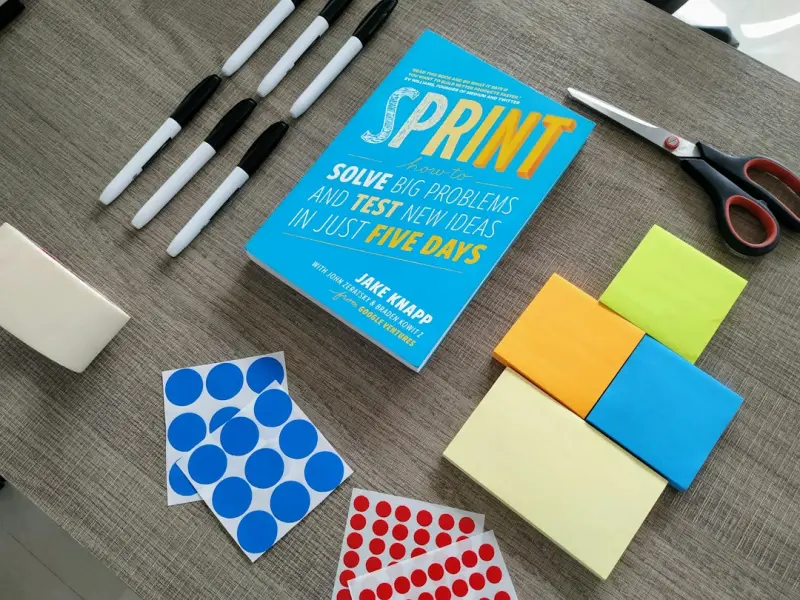
When I first stepped into the world of B2B SaaS marketing, I treated every piece of content like a marathon. I’d spend weeks, sometimes months, polishing a whitepaper or a case study, hoping the effort would magically translate into pipeline. The reality? The market moves faster than any long‑haul plan can keep up with. In the past year I’ve shifted my mindset from marathon to sprint, and the results have been startling.
The Sprint Model Explained
Think of a sprint as a time‑boxed, goal‑driven burst of activity. In software development it’s a proven way to ship features quickly while maintaining quality. Apply the same discipline to content creation, and you get:
- Clear, measurable outcomes – each sprint answers “What will this piece achieve?” before the first sentence is drafted.
- Cross‑functional ownership – writers, designers, product managers, and even sales reps collaborate from day one.
- Rapid feedback loops – internal reviews happen daily, not after a week of silence.
- Iterative improvement – you release a “minimum viable content” (MVC) version, then refine based on real‑world performance.
By treating content as a series of sprints, you eliminate the paralysis that comes from over‑planning and you create a rhythm that matches the speed of SaaS buyers.
Setting Up Your Content Sprint Cycle
Here’s the framework I use for a two‑week sprint. Feel free to stretch or compress the timeline based on your team’s bandwidth, but keep the structure intact.
Day 0 – Sprint Planning
Gather the core stakeholders: a product owner (often a PM or senior marketer), a writer, a designer, and a data analyst. Define a single KPI for the sprint—lead generation, newsletter sign‑ups, or SEO ranking improvement, for example. Draft a brief “content charter” that answers:
- Who is the target persona?
- What problem are we solving?
- What format will we use (blog, guide, video script, etc.)?
- What is the success metric?
Document this charter in a shared workspace so everyone can reference it throughout the sprint.
Day 1‑2 – Research & Ideation
Instead of a week‑long deep dive, allocate two days to rapid research. Pull data from your CRM, product usage analytics, and recent support tickets. Look for recurring pain points that aren’t already covered on your site. I like to Data‑First SEO tactics here—identify low‑competition keywords that align with those pain points and stitch them into your content angle.
Day 3‑5 – Draft & Design
Kick off the writing process with a 300‑word outline. The writer and designer collaborate on a single Google Doc, using comments for instant feedback. By day five you should have a rough draft and a wireframe or visual mock‑up. This is the “minimum viable content” stage; don’t aim for perfection, aim for clarity and relevance.
Day 6‑8 – Internal Review & Optimization
Enter the human‑in‑the‑loop of content: sales reps test the draft with prospects, support engineers check technical accuracy, and a SEO specialist runs a quick audit. Capture quantitative feedback—click‑through rates from internal emails, time‑on‑page predictions, or keyword density checks. Adjust the piece accordingly.
Day 9‑10 – Publish & Promote
Publish the content on the appropriate channel—your blog, a gated landing page, or a LinkedIn article. Simultaneously launch a promotion plan: email blast, social snippets, and a short‑form video teaser. If you have a Employee Advocacy program, empower your team to share the piece with their networks. Their authentic voices often outperform brand‑only posts.
Day 11‑14 – Measure & Iterate
Use your predefined KPI to evaluate performance. Did the piece generate the expected leads? Did it rank for the targeted keyword? If the results are promising, schedule a “content iteration” meeting to flesh out deeper sections, add case studies, or create derivative assets (infographics, podcasts). If the piece falls short, dissect why—was the problem statement off? Did the format miss the mark? Then feed those insights into the next sprint’s charter.
Why This Works for SaaS Teams
Traditional content calendars treat each piece as a monolith. That approach often leads to:
- Stale topics that no longer reflect market shifts.
- Long hand‑offs that cause version control nightmares.
- Metrics collected after the fact, making it hard to attribute ROI.
The sprint model solves these pain points by embedding agility and accountability into the process. Every sprint ends with data, and every data point informs the next sprint. It’s a virtuous cycle that scales with your product roadmap.
Integrating Sprint Content with Your Overall Strategy
Don’t let sprints exist in a silo. Here’s how to weave them into the broader marketing fabric:
1. Align Sprints with Product Releases
Whenever your engineering team announces a new feature, schedule a content sprint to create a launch guide, a deep‑dive blog, and a customer testimonial template. This ensures that the market receives the right information at the right time.
2. Use Sprints to Fill Funnel Gaps
Map your buyer’s journey and identify content gaps—maybe you lack “awareness‑stage” pieces that address a niche pain. Prioritize those gaps in upcoming sprints to keep the funnel healthy.
3. Repurpose Sprint Output
A single sprint can generate multiple assets: a blog becomes a slide deck, a slide deck becomes a webinar, a webinar transcript becomes a downloadable PDF. This maximizes the ROI of each sprint’s effort.
Common Pitfalls and How to Avoid Them
Even with the best intentions, teams stumble. Below are the three most frequent mistakes and quick fixes.
Pitfall #1: Over‑Ambitious Scope
If you try to produce a 30‑page eBook in a two‑week sprint, you’ll burn out. Keep the scope tight—focus on delivering value, not volume.
Pitfall #2: Ignoring Real‑World Feedback
Skipping the sales‑rep review or the support‑team validation can lead to inaccuracies. Make those checkpoints mandatory.
Pitfall #3: Treating the Sprint as a One‑Off
When a sprint ends, some teams assume the work is complete and move on. The secret is the iteration phase: revisit the piece after 30 days, update stats, add fresh quotes, and re‑promote.
Tools to Power Your Content Sprints
While the methodology is the star, the right tooling makes execution smoother.
- Collaboration: Notion or Confluence for sprint charters and task boards.
- Writing: Google Docs with commenting enabled, or Draft for version control.
- Design: Figma for rapid mock‑ups that can be shared instantly.
- Analytics: Google Data Studio dashboards that pull in traffic, lead, and SEO data in real time.
- Distribution: Buffer or Hootsuite to schedule promotion posts the moment you hit publish.
Real‑World Example: A Two‑Week Sprint That Delivered 250 Leads
One of our SaaS clients faced a stagnant MQL rate. We ran a sprint focused on “Optimizing On‑Boarding for Remote Teams.” The charter defined a single KPI: 200 new MQLs from a gated guide.
- Day 0: Aligned product, sales, and marketing on the pain point (remote onboarding friction).
- Day 2: Identified a low‑competition keyword—“remote onboarding checklist”—using Data‑First SEO insights.
- Day 5: Produced a 10‑page PDF guide and a 2‑minute explainer video.
- Day 9: Launched via email, LinkedIn, and an employee‑driven social push (Employee Advocacy).
- Day 14: Tracked 258 MQLs, a 29% lift over the previous month’s average.
The sprint didn’t just meet the target; it revealed a new content format (short video + guide) that became a recurring template for the client.
Getting Started: Your First Content Sprint Checklist
- Identify a single, high‑impact KPI.
- Assemble a cross‑functional squad (writer, designer, product owner, analyst).
- Draft a concise content charter.
- Allocate two days for rapid research and keyword discovery.
- Produce a minimum viable draft and visual mock‑up by day five.
- Run internal reviews and iterate based on real feedback.
- Publish, promote, and measure against the KPI within two weeks.
- Schedule a follow‑up iteration meeting 30 days later.
Conclusion: Make Speed Your Superpower
In a SaaS landscape where product updates happen weekly and buyer expectations evolve daily, content can’t be an afterthought. By adopting a sprint‑centric workflow, you give your team the velocity to stay relevant, the structure to maintain quality, and the data to prove impact. The next time you sit down to plan a piece of content, ask yourself: “If I had two weeks, how would I deliver the most value?” The answer will guide you toward a faster, smarter, and more measurable content engine.

Related Posts
Level Up: Gamifying Content Creation for SaaS Teams
Learn to apply gamification to your SaaS content creation process, turning routine tasks into engagi... Read More

Turn Your Users into a Living Content Factory
Discover a systematic approach to turning everyday user interactions into authentic, scalable conten... Read More

Micro‑Content Loops: Turning One Piece into a Cascade of Engagement
Micro‑Content Loops transform a single, well‑crafted pillar piece into a series of platform‑sp... Read More
Top Posts

Interactive Quizzes: The Secret Weapon for Sustainable Link Building
Learn why interactive quizzes are the new link‑building powerhouse, how to design share‑ready assets, and a step‑by‑step checklist to start earning high...Read More

Beyond Borders: Mastering International Mobile SEO
Discover the essential strategies for international mobile SEO, from language‑specific sitemaps to localized Core Web Vitals, and turn global mobile traffic i...Read More

The Evolution of Social Media Advertising: A Comprehensive Guide to Success
Social media advertising has come a long way. Learn how to navigate this complex landscape and drive significant results from your campaigns. Get the inside sco...Read More

Turning Social Audio into a Brand Growth Engine
Explore the untapped potential of social audio, from niche rooms and guest experts to cross‑channel integration and data‑driven impact, and learn how to tur...Read More
0 Comments
Post Comment
You will need to Login or Register to comment on this post!