

Why B2B SaaS Social Ads Need a Human Touch (Even If You’re Data‑Driven)
When I first started buying ads on LinkedIn, I felt like a kid in a candy store—so many targeting options, endless budget sliders, and a promise that every click would turn into a qualified lead. Fast‑forward a few campaigns, and the reality hit: clicks are cheap, leads are pricey, and the ROI dashboard looks more like a roller‑coaster than a runway. The secret isn’t in cranking up the spend or obsessing over click‑through rates; it’s in weaving a genuine narrative that respects the audience’s time, privacy, and intelligence. In this post, I’ll walk you through a fresh framework for B2B SaaS social media advertising that blends data, storytelling, and a dash of humility.
1. Re‑thinking the Funnel: From Awareness to Advocacy
Traditional ad funnels start with a broad awareness push, narrow into consideration, and finish with conversion. That linear view works for consumer brands, but B2B buyers today are already well‑versed before they see your ad. They’ve read whitepapers, attended webinars, and scrolled through countless case studies. Your social ad should therefore aim for advocacy as much as acquisition.
- Micro‑moments matter. Identify the exact point when a decision‑maker is evaluating solutions and meet them there with a concise, value‑driven message.
- Social proof is your ally. Instead of generic testimonials, showcase short video snippets of real customers talking about a specific outcome.
- Invite participation. Turn the ad space into a conversation starter—polls, question stickers, or “Ask me anything” sessions can shift the user from passive viewer to active contributor.
2. The Data‑Story Balance: Let Numbers Guide, Not Dictate
Data is the compass, but narrative is the map. I’ve seen teams drown in audience insights and forget the why behind the numbers. Start with three simple questions:
- What problem does the data reveal about the prospect’s current workflow?
- How does our solution uniquely solve that problem?
- What emotion does that solution evoke—relief, confidence, empowerment?
Use the answers to craft ad copy that feels like a solution, not a sales pitch. For instance, instead of “Boost your team’s productivity by 30%,” try “Imagine your team closing deals without the endless back‑and‑forth on data entry.” The latter paints a picture and invites the reader to visualize the benefit.
3. Privacy‑First Targeting in a Cookie‑Less World
With third‑party cookies on their way out, many marketers panic. The truth is, privacy‑centric targeting can actually boost trust and conversion rates. Here’s how to stay ahead:
- Leverage first‑party data. Sync your CRM and product usage data to create custom audiences on LinkedIn and Facebook. These are high‑intent segments that already know you.
- Contextual targeting. Instead of demographic boxes, align your ads with the content themes users are consuming—think “Data‑Driven Marketing” groups or “SaaS Ops” newsletters.
- Transparent opt‑ins. Include a brief line in your ad copy about how you respect privacy and give users an easy way to manage their preferences.
4. Creative That Learns From AI (Without Losing the Human Touch)
AI‑generated assets can accelerate production, but they often lack the nuance that makes a B2B ad resonate. My approach is to treat AI as a co‑writer, not a replacement. I start with a human‑crafted headline, feed it into a generative model for variations, and then select the version that best aligns with our brand voice. This hybrid workflow saves time while preserving authenticity.
For a deeper dive on blending AI with creative strategy, check out the article on AI‑Powered Creative. It outlines how to harness machine learning for copy testing without sacrificing the storytelling spark that only a human can provide.
5. Turning Social Media Into a Real‑Time Growth Lab
Social platforms are more than distribution channels; they’re living laboratories where you can test hypotheses at scale. The key is to set up experiments that are both measurable and meaningful. For example, you might test three variations of a carousel ad:
- Version A: Feature‑focused copy
- Version B: Benefit‑focused copy
- Version C: Story‑driven copy with a customer quote
Track not just clicks, but downstream metrics like demo requests, product‑trial sign‑ups, and even churn rates for those who convert. By linking ad performance to the full customer lifecycle, you move beyond vanity metrics and truly understand the ad’s impact on growth.
Want a step‑by‑step guide on setting up these experiments? The post on real‑time growth lab walks you through the framework, tools, and reporting cadence that keep your social spend accountable.
6. Budget Allocation: The 70/20/10 Rule Reimagined for SaaS
The classic 70/20/10 rule (70% proven, 20% new, 10% risky) is a good starting point, but SaaS marketers need a more nuanced split:
- Core Platforms (45%). Allocate the majority to platforms where your ideal buyer persona is most active—typically LinkedIn for enterprise SaaS and Twitter for developer‑focused tools.
- Testing & Emerging Channels (35%). Reserve a sizable chunk for TikTok, Reddit, or niche community forums where early adopters hang out. The key is to keep the creative lightweight and the spend agile.
- Retargeting & Advocacy (20%). Funnel existing leads back into the funnel with personalized offers or invite them to exclusive webinars. Retargeting often yields the highest ROI because the audience is already warmed up.
This distribution balances scale, discovery, and nurture, ensuring you’re not over‑investing in any single channel.
7. Measuring Success: Beyond Click‑Through Rate
CTR was once the holy grail, but it’s a shallow metric for B2B SaaS. A more robust measurement framework includes:
- Cost per Qualified Lead (CPQL). Factor in lead scoring to ensure you’re paying for prospects that truly fit your ICP.
- Time‑to‑Value (TTV) Impact. Track how quickly a lead generated from social media moves from demo to first‑value event (e.g., first logged‑in user).
- Revenue Attribution. Use multi‑touch attribution models to credit social ads for their role in the buyer journey, not just the last click.
When you tie ad spend to revenue outcomes, you can confidently argue for budget increases or reallocation during quarterly reviews.
8. The Human Element: Listening, Engaging, Evolving
All the data, AI, and testing in the world can’t replace genuine engagement. Make it a habit to:
- Respond to comments within the hour—showing you value conversation.
- Invite users to co‑create content (e.g., ask them to submit a use‑case story for a chance to be featured).
- Iterate your messaging based on real‑world feedback, not just statistical significance.
This approach transforms your ad from a one‑way broadcast into a dialogue, fostering trust and long‑term brand loyalty.
9. Future‑Proofing Your Social Ad Strategy
Looking ahead, three trends will shape B2B SaaS social advertising:
- Short‑form video dominance. Platforms like LinkedIn Reels and TikTok are becoming professional hubs. Adapt your messaging to concise, story‑driven clips.
- Interactive ad formats. Polls, quizzes, and AR experiences will let prospects explore your product in‑situ, reducing friction.
- Community‑centric placements. Advertising inside niche Slack groups or Discord servers will blur the line between organic and paid, demanding a more authentic voice.
Staying ahead means experimenting early, listening closely, and always aligning your creative with the evolving ways your audience consumes content.
Conclusion: Blend the Art and Science of Social Ads
Social media advertising for B2B SaaS isn’t a simple checkbox; it’s a dynamic ecosystem where data informs story, privacy builds trust, and real‑time experiments drive growth. By treating each ad as a conversation starter, investing in privacy‑first targeting, and measuring success through revenue‑centric metrics, you’ll turn your ad spend into a strategic engine rather than a cost center. Remember, the best ads are the ones that feel like a helpful guide—not a hard sell. So go ahead—craft that human‑first narrative, test it relentlessly, and watch your SaaS brand thrive in the noisy social landscape.

Related Posts
Social Audio Advertising: The Quiet Growth Engine B2B SaaS Can’t Afford to Miss
Social audio advertising is emerging as a high‑intent, low‑competition channel for B2B SaaS. Lea... Read More

Privacy‑First Social Ads for SaaS Brands
In a world where cookies are disappearing and privacy regulations tighten, SaaS advertisers must piv... Read More
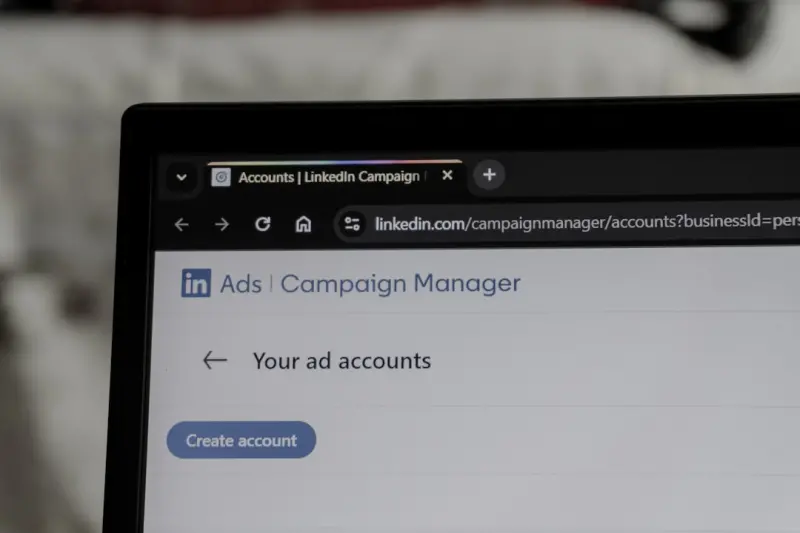
Gamified Social Media Ads: Turning Play into Profit
Learn why interactive, game‑style ads are reshaping social media marketing, with actionable tips, ... Read More
Top Posts

The Evolution of Content Trends: Strategies for Success in 2024 and Beyond
Discover the latest content trends shaping the future of digital marketing. Learn how to leverage SEO, social media, and high-quality content to drive more traf...Read More

Why Short‑Form Video Is the Secret Weapon for SaaS Social Media Ads
Short‑form video is reshaping B2B SaaS advertising. Learn why bite‑size clips on TikTok, Instagram Reels, and YouTube Shorts outperform traditional ads, and...Read More
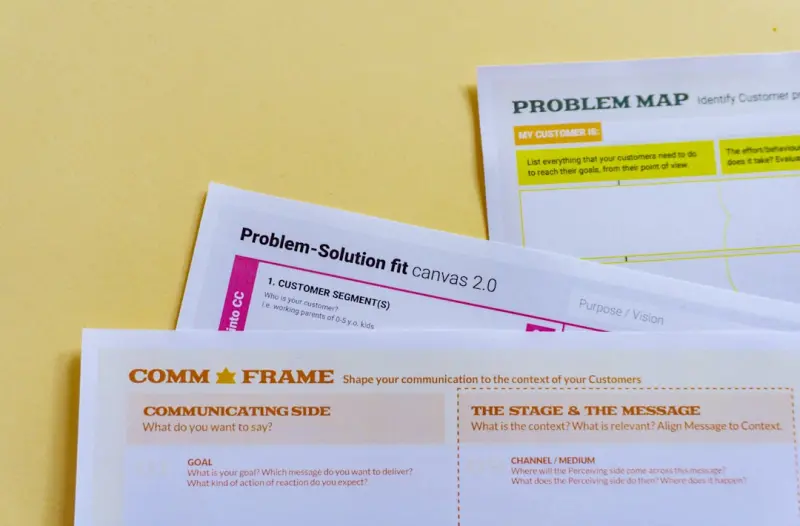
Crafting a Cohesive Storytelling Framework for Multi‑Platform Social Media Success
Discover a step‑by‑step framework to turn fragmented posts into a unified brand story that resonates across every social platform, boosting loyalty and resu...Read More

Mobile SEO Mastery: Strategies to Win the Mobile‑First Game
Discover cutting‑edge mobile SEO tactics—from Core Web Vitals to voice search—crafted with an empathy‑first mindset to boost rankings, speed, and user d...Read More
0 Comments
Post Comment
You will need to Login or Register to comment on this post!