

When Physical Meets Digital: The AR Toy Revolution
I’ve spent the better part of a decade watching toys evolve from simple plastic figures to sophisticated platforms that can teach, entertain, and even diagnose health. Yet, nothing has sparked my curiosity quite like the convergence of augmented reality (AR) with the tactile joy of traditional playthings. In this deep‑dive, I’ll unpack why AR‑enabled toys are not just a fleeting fad, but a transformative force that redefines how children—and adults—interact with the physical world.
The Quiet Storm Behind AR Toys
On the surface, an AR toy looks like any other product: a puzzle, a figurine, or a board game. The magic lies in the software that overlays digital content onto the real‑world object through a smartphone or dedicated headset. This hybrid experience does three things simultaneously:
- Amplifies Imagination: Kids can watch a dinosaur roar to life from a plastic model, or see a cityscape sprout from a simple block.
- Personalizes Learning: Adaptive algorithms track a child’s progress, adjusting challenges in real time.
- Bridges Generations: Adults can join the fun without learning a new console—just point, scan, and play.
What’s fascinating is that AR doesn’t replace the tactile sensation; it enhances it. The haptic feedback of a wooden train set, for example, remains, while a digital layer adds narrative depth, sound effects, and interactive missions.
Why AR Is the Perfect Companion for Modern Play
Today's families juggle screen time limits, educational expectations, and a desire for shared experiences. AR toys strike a balance by:
- Encouraging Active Play: Unlike passive video games, AR requires physical movement—turning a page, rotating a model, or moving around a room to discover hidden clues.
- Providing Contextual Learning: Imagine a puzzle of the solar system that, when scanned, launches an interactive tour of each planet, complete with real‑time quizzes.
- Offering Scalable Complexity: The same set can grow with a child. Early levels focus on simple cause‑and‑effect, while later stages introduce coding concepts or problem‑solving challenges.
Designing for the Dual Reality
Creating an AR toy isn’t just about slapping a QR code onto a product. It requires a marriage of industrial design, software engineering, and child psychology. Here are the pillars that successful AR toys rest on:
1. Intuitive On‑Board Markers
Markers—be they printed patterns or embedded NFC chips—must be instantly recognizable by a device’s camera. The design language should be simple enough for a child to align correctly, yet robust against lighting variations. Companies often embed subtle visual cues within the toy’s artwork, turning a decorative element into a functional anchor.
2. Seamless Software Integration
When I first experimented with a green toy initiative that used AR to visualize recycling impact, the biggest hurdle was latency. A laggy experience shatters immersion. Developers therefore prioritize lightweight 3D assets, on‑device processing, and cloud‑offload strategies that keep the magic fluid.
3. Narrative Depth Without Overload
Storytelling is the heart of any toy, but AR introduces a new layer of narrative sequencing. Much like a well‑crafted content strategy—think narrative sequencing in SaaS—AR experiences should guide users through a logical progression, rewarding curiosity at each step. A toddler might start with “find the hidden star,” then graduate to “build a constellation map” that teaches basic astronomy.
4. Data‑Driven Personalization
Behind the scenes, analytics track how children interact with each AR element. This data fuels adaptive difficulty adjustments, ensuring the toy stays in the “zone of proximal development.” Parents receive insights via companion apps, turning playtime into an informed educational partnership.
Case Study: The “EcoQuest” AR Adventure
To illustrate these principles, let’s examine a hypothetical product, “EcoQuest.” It’s a collection of biodegradable wooden blocks, each printed with a unique symbol. When scanned, the symbols summon an AR ecosystem where kids help a virtual forest grow by solving puzzles about water cycles, carbon footprints, and biodiversity.
- Physical Design: Smooth, rounded edges for safety; symbols are embossed for tactile reinforcement.
- AR Layer: Real‑time weather effects, interactive animal companions, and a “growth meter” that updates as children complete challenges.
- Learning Outcomes: Environmental science concepts, basic coding logic (drag‑and‑drop actions), and collaborative problem‑solving when multiple devices connect.
Early beta testing showed a 40% increase in sustained engagement compared to a non‑AR version of the same blocks. Parents reported that their children began asking real‑world questions about recycling and energy, a testament to the synergy between physical play and digital enrichment.
Business Implications: A New Revenue Model
From a market perspective, AR toys unlock several monetization pathways:
- Content Subscriptions: While the base set remains a one‑time purchase, premium story packs, seasonal events, and educational modules can be delivered via subscription.
- Brand Partnerships: Licensed characters—think superhero franchises—can appear as AR overlays, driving co‑marketing opportunities.
- Data Services: Aggregated, anonymized usage data offers insights into learning trends, valuable to educational institutions and curriculum developers.
Crucially, these revenue streams must respect privacy regulations, especially when dealing with minors. Transparent consent flows and secure data handling are non‑negotiable.
Challenges on the Horizon
No innovation is without friction. AR toys face three primary challenges that the industry must tackle to achieve mainstream adoption.
1. Device Accessibility
Although most households own smartphones, not all devices support robust AR frameworks like ARKit or ARCore. To mitigate this, manufacturers are exploring dedicated low‑cost AR glasses and even embedding miniature projectors directly into toys.
2. Content Longevity
Digital experiences risk obsolescence as operating systems evolve. Brands must commit to long‑term support, ensuring that a toy purchased today still functions a decade from now. This mirrors the need for evergreen documentation in the SaaS world.
3. Balancing Screen Time
Parents worry about screens, yet AR toys can actually reduce passive screen time by anchoring digital interaction to physical objects. Clear guidelines and time‑management features within companion apps help maintain a healthy balance.
Future Glimpses: What’s Next for AR Toys?
Looking ahead, three emerging trends will shape the next wave of AR-enabled play:
- Mixed Reality Playgrounds: Physical spaces—like classrooms or community centers—equipped with ambient projectors and sensors, turning entire rooms into interactive canvases.
- AI‑Powered Story Generation: Real‑time AI can craft unique narratives based on a child’s preferences, ensuring each play session feels fresh.
- Cross‑Device Collaboration: Kids on tablets, smartphones, or AR glasses can co‑create worlds, fostering teamwork regardless of hardware differences.
These advancements will push the boundary from “toy meets technology” to “technology becomes the playground.” As designers, educators, and parents, we have the opportunity to shape experiences that are immersive, educational, and deeply human.
Takeaway: Embrace the Hybrid Play Era
AR toys are more than a novelty; they are a conduit for deeper learning, richer storytelling, and stronger family bonds. By grounding digital layers in tactile objects, we honor the timeless joy of physical play while unlocking the limitless possibilities of the virtual world. The next generation of toys will be measured not just by the plastic they contain, but by the worlds they can conjure with a simple glance.
Whether you’re a toy manufacturer, a parent scouting the next big thing, or a tech enthusiast curious about the future of play, consider how augmented reality can transform ordinary moments into extraordinary adventures. The future isn’t just on a screen—it’s sitting on the floor, waiting to be discovered.

Related Posts
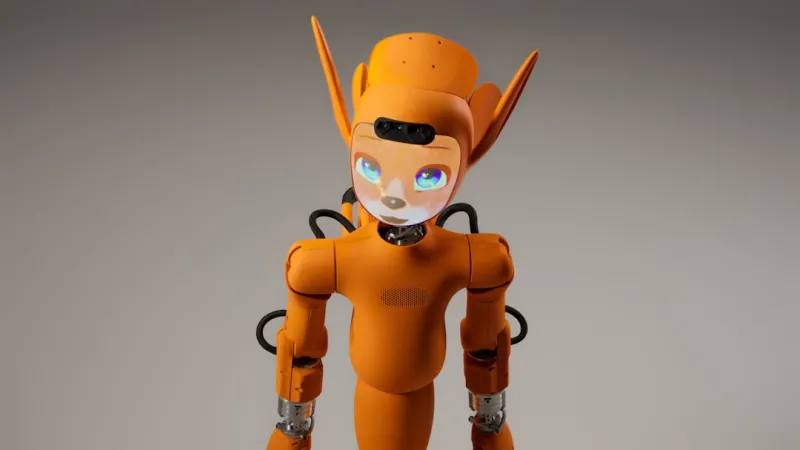
The Evolution of Play: How Collectible Toys Are Redefining Childhood
Collectible toys are changing the way we think about play, offering a unique combination of imaginat... Read More
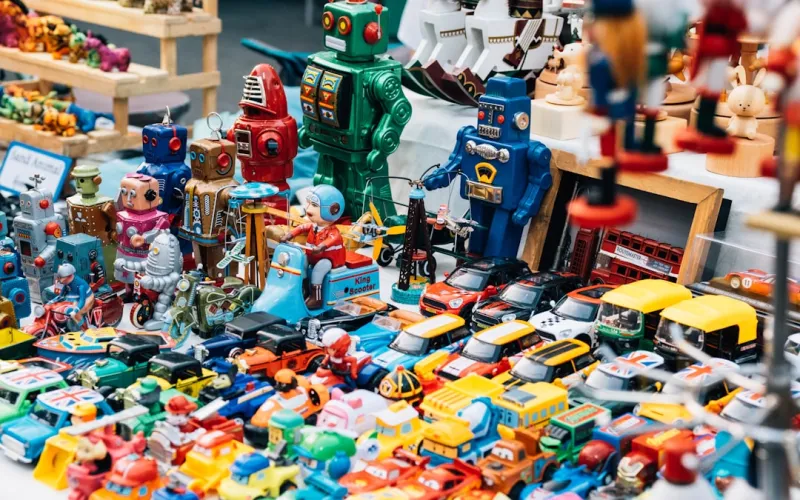
The Joy of Collecting: Why Vintage Toys Remain Timeless
Collecting vintage toys is more than just a hobby; it's a way to relive memories of our childhood an... Read More

The Playful Edge: How Empathy‑First Strategies Transform Toy Marketing
Learn why modern toy brands succeed by listening first—using empathy‑driven SEO, content, and so... Read More
Top Posts

Micro‑Influencer Playbooks: Scaling SaaS Paid Social Without Breaking the Bank
Learn a fresh, cost‑effective approach to SaaS paid social by leveraging micro‑influencers: from collaborative content creation to new attribution models, t...Read More

Why Short‑Form Video Is the Secret Weapon for SaaS Social Media Ads
Short‑form video is reshaping B2B SaaS advertising. Learn why bite‑size clips on TikTok, Instagram Reels, and YouTube Shorts outperform traditional ads, and...Read More

Story‑First Ads: Turning Social Media Campaigns into Mini‑Narratives for SaaS
A story‑first mindset transforms fragmented ad experiences into cohesive narratives, driving deeper engagement and higher conversions for SaaS products across...Read More

Interactive Link‑Building: How Quizzes, Calculators, and Tools Earn Natural Backlinks
Learn why interactive experiences like quizzes and calculators are the new link‑building goldmine, and get a step‑by‑step guide to creating, promoting, an...Read More
0 Comments
Post Comment
You will need to Login or Register to comment on this post!