
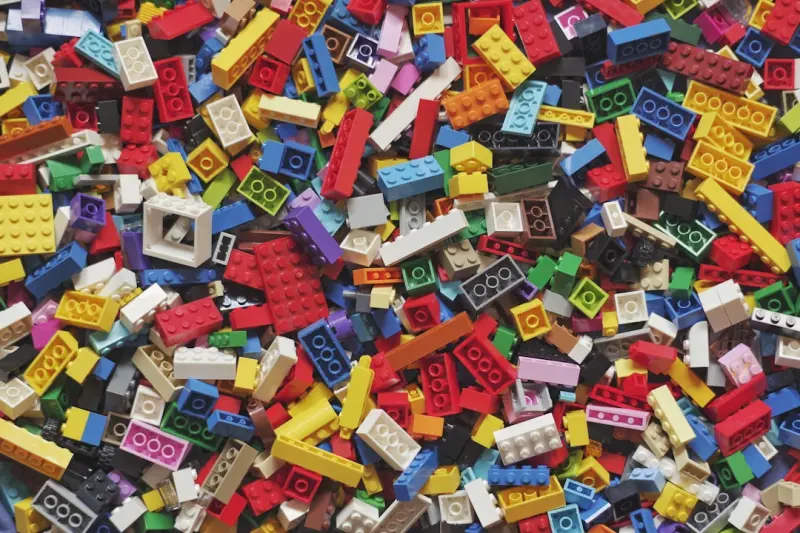
The Sensory Play Revolution: Why Tactile Toys Are Changing Childhood
When I first walked into a bustling children’s museum and saw a room filled with soft, textured blocks, kinetic sand, and vibrating fidget devices, I felt a spark that’s been hard to ignore ever since. The excitement wasn’t just about the bright colors or the novelty—it was about the subtle, profound ways these toys engage the nervous system. Today, sensory toys are emerging as the most talked‑about trend in early childhood development, and they’re doing more than just entertain; they’re reshaping how parents, educators, and even designers think about play.
Beyond “Just a Toy”: The Science Behind Sensory Stimulation
Our brains are wired to seek out patterns, textures, and rhythms. When a child manipulates a squishy stress ball, slides their fingers over a ridged silicone mat, or hears the gentle click of a marble run, they’re not merely passing time—they’re training neural pathways. Research in developmental neuroscience shows that multisensory input can accelerate language acquisition, improve fine motor skills, and even bolster emotional regulation.
For neurotypical children, these experiences lay the groundwork for problem‑solving and creativity. For neurodiverse kids—especially those on the autism spectrum—sensory toys can act as calming anchors, reducing anxiety and providing predictable feedback loops that help them navigate overwhelming environments.
What Makes a Toy “Sensory‑Ready”?
- Texture Variety: Materials ranging from plush velour to crunchy foam invite tactile exploration.
- Auditory Elements: Subtle sounds—like the soft rustle of beads or the low hum of a kinetic sculpture—stimulate auditory pathways without overstimulating.
- Visual Contrast: High‑contrast colors and patterns catch the eye, supporting visual tracking and focus.
- Movement & Resistance: Toys that spin, glide, or offer gentle resistance engage proprioceptive senses, helping children understand body position.
From Playroom to Classroom: How Educators Are Integrating Sensory Toys
Progressive preschools and early‑learning centers are swapping out traditional wooden blocks for modular play sets that incorporate textured connectors, magnetic clicks, and soft‑squeeze components. The goal isn’t to replace classic toys but to enrich the sensory palette available to young learners.
Teachers report that when students have access to sensory tools during transitions—like moving from circle time to free play—they experience fewer meltdowns and show higher engagement. In practice, a “sensory corner” might feature:
- A rotating tray of silicone shapes for tactile discovery.
- Quiet, low‑volume musical instruments that invite rhythmic exploration.
- Weighted lap pads that provide deep‑pressure input, promoting calmness.
These setups echo the same principles that make interactive content effective online: interactivity, feedback, and a sense of control.
Parental Perspectives: Why Moms and Dads Are Choosing Sensory Toys
Modern parents are increasingly data‑driven. They read pediatric blogs, consult child‑development podcasts, and even track their child’s mood using apps. The rise of sensory toys aligns with this trend: they’re marketed not just as “fun” but as “developmentally beneficial.”
One common narrative among parents is the desire for toys that grow with the child. A set of interlocking, textured tiles can start as a simple tactile puzzle for a toddler and later become a base for constructing more complex structures as the child’s fine motor skills improve. This longevity appeals to eco‑conscious families who also value sustainable toys that minimize waste.
The Market Surge: Numbers That Speak Volumes
According to recent market analyses, the global sensory toy market is projected to grow at a compound annual growth rate (CAGR) exceeding 10% over the next five years. Key drivers include:
- Increased awareness of autism spectrum disorders and the demand for therapeutic tools.
- Parenting forums highlighting the calming effects of fidget toys during remote learning.
- Retailers expanding dedicated “sensory aisles,” making discovery easier.
Brands that previously focused on traditional plush dolls are now launching product lines featuring textured silicone, magnetic “snap‑and‑feel” elements, and even aromatherapy-infused plushies. The convergence of sensory design with technology—think Bluetooth‑enabled vibration pads that sync with calming playlists—illustrates how the industry is pushing boundaries.
Designers’ Playbook: Crafting the Next Generation of Sensory Toys
If you’re a toy designer looking to dive into this space, consider the following guidelines:
- Safety First: All materials must meet stringent child‑safety certifications. Non‑toxic, BPA‑free silicone and hypoallergenic fabrics are non‑negotiable.
- Modular Flexibility: Allow pieces to be combined in multiple ways, echoing the endless possibilities of modular play sets. This boosts replay value.
- Inclusive Design: Include features that cater to a spectrum of abilities—e.g., larger grips for fine‑motor challenges, and adjustable resistance levels.
- Eco‑Conscious Production: Use recycled plastics or sustainably sourced wood, aligning with the growing consumer demand for sustainable toys.
- Storytelling Integration: Embed simple narratives that guide children through sensory exploration, turning play into a learning adventure.
Case Study: The Rise of the “Calm Cube”
One indie startup launched a compact, cube‑shaped device featuring interchangeable panels—one side smooth, another with raised bumps, a third with a soft fabric surface, and a fourth emitting gentle, low‑frequency vibrations. Parents reported a 30% reduction in bedtime resistance after integrating the Calm Cube into nightly routines.
The product’s success hinged on three factors:
- Portability: Small enough to travel, making it a consistent tool for families on the go.
- Customization: Users could swap panels based on the child’s mood—calming textures for overstimulation, tactile bumps for sensory seeking.
- Community Feedback: The company maintained an online forum where parents shared usage tips, fostering a supportive micro‑community.
Future Outlook: Merging Sensory Play with Emerging Tech
Imagine a plush animal that not only responds to touch but also monitors heart rate, adjusting its vibration patterns to help a child regulate breathing. Or a smart mat that lights up in response to pressure, guiding toddlers through balance exercises while sending data to a parent’s dashboard. These concepts, once sci‑fi, are inching closer to reality as wearable tech becomes more affordable and child‑safe.
As we look ahead, the most successful sensory toys will likely blend three pillars:
- Human‑Centric Design: Prioritizing comfort, safety, and inclusivity.
- Data‑Informed Iteration: Leveraging feedback loops from parents and educators to refine features.
- Sustainable Production: Reducing environmental impact without compromising quality.
Takeaway: Embrace the Sensory Wave
Whether you’re a parent scouting the next toy aisle, an educator curating classroom resources, or a designer dreaming up the next big thing, sensory toys offer a compelling blend of fun and function. They’re not just a fleeting fad; they’re a response to a deeper understanding of how children learn, feel, and grow.
By choosing toys that engage the senses, we give children tools to explore the world with curiosity, confidence, and calm. The next generation of play is already here—soft, textured, and wonderfully interactive. It’s time to let the senses lead the way.

Related Posts
The Secret Life of Augmented Reality Toys: Blending Digital and Physical Play
Augmented reality toys are turning living rooms into adventure zones, letting kids interact with dig... Read More
Playful Planet: How Sustainable Toys Are Redefining Childhood Fun
From bamboo blocks to solar‑powered plush dinosaurs, sustainable toys are transforming playtime in... Read More

The Evolution of Collectible Toys: A Collector's Perspective
Collectible toys have come a long way, from vintage dolls to limited-edition figurines. Learn about ... Read More
Top Posts

Edge‑First Technical SEO: Harnessing the Power of the CDN Layer
This article outlines a fresh framework for mastering technical SEO in edge‑first architectures, covering automated CI/CD audits, crawl‑budget optimization,...Read More

The Hidden Psychology Behind On‑Page SEO: Designing for Human Minds
Explore a human‑first approach to on‑page SEO, covering cognitive flow, intent mapping, micro‑copy, and testing methods that turn visitors into engaged us...Read More

Narrative Arcs: Transforming Content Strategy into a Story‑Driven Journey
Learn to reshape your editorial plan into a compelling narrative, using intent layers, cross‑channel storytelling, and story‑centric metrics to keep audienc...Read More

Inclusive On‑Page SEO: Merging Accessibility and Rankings
This article explains why accessibility is a powerful on‑page SEO lever, offering practical steps—from semantic HTML to alt text, keyboard navigation, and r...Read More
0 Comments
Post Comment
You will need to Login or Register to comment on this post!