
Why WordPress SEO Feels Different in 2024
When I first started tweaking WordPress sites, the rulebook was simple: focus on keywords, build backlinks, and pray Google would notice. Today, the algorithm’s appetite has shifted toward human‑centric signals, page experience, and mobile‑first readiness, forcing us to rethink every tweak we make on a WordPress installation. In this landscape, I’ve learned that the most successful sites are those that treat SEO as a seamless extension of user experience rather than a separate, technical afterthought.
The Foundation: Core Settings and Site Health
Before you dive into fancy plugins, make sure your WordPress core is humming along—proper permalinks, clean .htaccess rules, and a well‑configured robots.txt file are the silent heroes that keep search bots happy. A tidy site health dashboard not only reduces crawl errors but also signals to Google that you care about site integrity, which can boost rankings faster than any keyword‑dense blog post. I always start my audits by confirming the basics are ironed out; it’s the digital equivalent of checking the foundation before painting the walls.
Schema Markup: Turning Data Into Authority
Structured data is no longer a nice‑to‑have; it’s a must‑have for WordPress sites that want to dominate SERPs in 2024. By implementing JSON‑LD schema for articles, products, and FAQs, you give search engines a clear map of your content, which often translates into rich snippets that drive higher click‑through rates. I’ve seen traffic spikes of 30‑40 % after adding even a single FAQ schema block, proving that Google rewards sites that speak its language fluently.
Content Pillars and Strategic Internal Linking
Creating robust content pillars—core topics that support a cluster of related posts—helps both users and crawlers understand the hierarchy of your site, and it’s especially powerful on WordPress where taxonomy is flexible. Within each pillar, I weave internal links that guide readers naturally from one piece to the next, boosting dwell time and distributing link equity throughout the site. This approach mirrors the tactics outlined in Lauren Miller’s 2024 WordPress SEO Playbook, where agile link building is framed as a storytelling exercise rather than a spreadsheet chore.
Speed and Core Web Vitals: The Performance Imperative
Google’s Core Web Vitals have become the gatekeepers of visibility, and on WordPress, you have an arsenal of tools—caching plugins, image optimization, and lazy loading—to meet the thresholds for LCP, FID, and CLS. Yet, the real trick lies in balancing performance with functionality; stripping out essential scripts can improve scores but may break critical site features. I recommend a staged rollout: test each optimization in a staging environment, monitor the impact on both metrics and user experience, and only then push to production.
Mobile‑First Optimization: A Non‑Negotiable
With the majority of traffic now coming from smartphones, a mobile‑first approach isn’t optional; it’s the baseline expectation. Responsive themes, AMP (where appropriate), and touch‑friendly navigation elements ensure that your WordPress site feels native on any device, which in turn reduces bounce rates and signals relevance to Google’s mobile crawler. For deeper insights, I often reference the strategies discussed in the Mobile SEO Mastery in 2024 guide, which breaks down device‑specific testing into bite‑size, actionable steps.
Agile Link Building: From Outreach to Authority
Link building in 2024 has evolved from mass outreach to a precision‑targeted effort that emphasizes relevance, trust, and contextual placement. Rather than chasing vanity metrics, I focus on building relationships with niche influencers and publishing guest posts that naturally embed backlinks within high‑quality content. This philosophy aligns closely with the principles in David Moore’s Proven Playbook, where the emphasis is on earning links that reinforce your site’s authority without triggering algorithmic penalties.
Analytics, AI, and Continuous Iteration
Even the best‑optimized WordPress site can stagnate if you’re not monitoring performance and iterating based on data. Advanced analytics platforms now integrate AI‑driven insights that highlight content gaps, keyword opportunities, and potential technical bottlenecks before they become problems. I set up monthly dashboards that track core metrics—organic traffic, click‑through rate, and conversion paths—so I can tweak titles, meta descriptions, or internal links in real time, keeping the site agile and future‑proof.
Wrapping Up: Your SEO Blueprint for 2024
In a world where search algorithms reward human‑centric experiences, the WordPress SEO playbook must be both technical and empathetic. By mastering core settings, embracing schema, optimizing for mobile, and cultivating quality backlinks, you create a site that not only ranks but also resonates with real users. Remember, SEO is a marathon, not a sprint, so keep iterating, stay curious, and let your data guide the next chapter of your WordPress journey.

Related Posts

Why User‑Generated Content Is the Secret Weapon for WordPress SEO
User‑generated content like reviews, forums, and Q&A sections creates fresh, authentic signals... Read More

Unlocking WordPress SEO with Dynamic Meta Tags and Automation
Learn to harness WordPress hooks, user segmentation, and server‑side rendering to generate dynamic... Read More

Why Empathy‑First Tactics Are the New Engine Behind WordPress SEO
Explore how empathy‑first tactics reshape WordPress SEO, turning human insight into higher ranking... Read More
Top Posts
Content Creation in the Age of AI: Strategies to Stay Ahead
Content creation in the age of AI requires a strategic approach. Learn how to adapt to changing trends, optimize your content for search engines, and drive resu...Read More
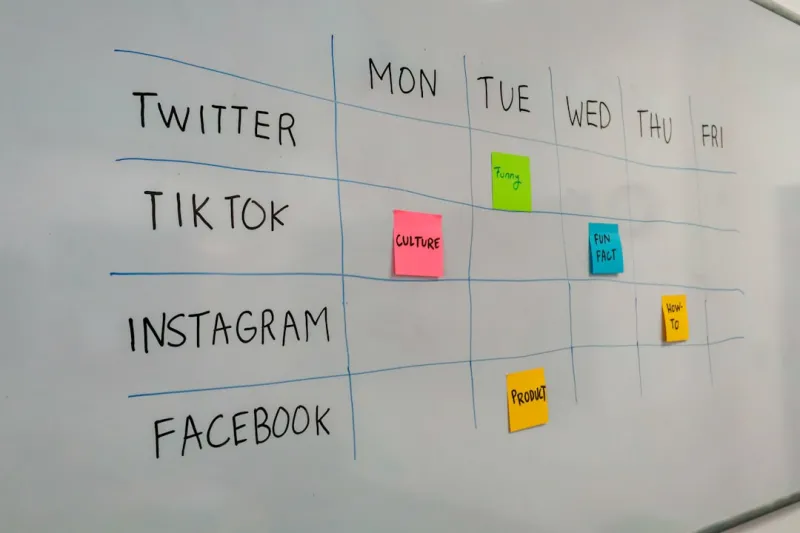
Revolutionizing Your Social Media Strategy for Maximum Engagement
Revolutionize your social media strategy with a deep understanding of your target audience, a well-crafted content strategy, and a willingness to adapt to the e...Read More

When AI Meets Social Media Ads: The Future of Hyper-Personalized Campaigns
Explore the rise of AI-powered dynamic creative optimization in social media ads, learning how hyper-personalization, rapid AI-generated assets, and new measure...Read More
LinkedIn SEO: Empathy‑First Strategies to Supercharge Your Visibility
Learn how to turn your LinkedIn profile into a search engine powerhouse using empathy‑first SEO tactics. From optimized headlines to authentic content, boost ...Read More
0 Comments
Post Comment
You will need to Login or Register to comment on this post!