
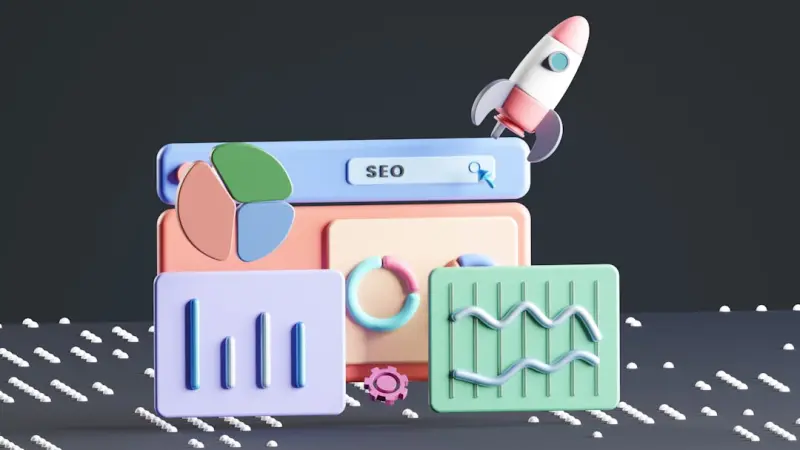
Why Zero‑Click Search Is the New Frontier for SaaS Growth
When I first started optimizing for search, the mantra was “get to the top of the page and watch the traffic roll in.” Today, the SERP has evolved into a self‑serving kiosk that hands users answers before they even click. For SaaS companies, this shift is a double‑edged sword: the zero‑click experience can either siphon potential leads or become a powerful acquisition channel—if you know how to shape it.
The Anatomy of a Zero‑Click Result
Zero‑click results are those coveted SERP features that answer a query directly on Google’s results page. They come in many flavors:
- Featured Snippets – concise paragraphs, lists, or tables that Google extracts from a page.
- People Also Ask (PAA) – expandable question boxes that surface related queries.
- FAQ Rich Results – structured data that displays a list of questions and answers directly in the SERP.
- Knowledge Panels – entity‑focused cards that aggregate facts about a brand, product, or concept.
- Local Packs and “People Also Search For” – clusters of related services that appear alongside the main result.
For a SaaS product, these snippets can act as a mini‑landing page that captures attention, conveys value, and—crucially—provides a pathway to conversion without the user ever leaving Google.
From Visibility to Intent: The Zero‑Click Funnel
Traditional SEO funnels start with an impression, move to a click, then guide the visitor through the site. Zero‑click search compresses the first two stages into a single interaction. To turn this into a lead‑generation engine, you need to think in terms of three new metrics:
- Snippet Impression Share – how often your content is selected for a featured snippet or FAQ result.
- Engagement Depth – the number of clicks on “Read more” or “Visit site” links embedded within the snippet.
- Conversion Attribution – tracking sign‑ups that originate from a zero‑click interaction, typically via UTM parameters or Google Analytics events tied to SERP referrals.
By monitoring these metrics, you can treat the SERP itself as a conversion surface, not just a gateway to your homepage.
Structuring Content for Snippet Dominance
Google’s algorithms love content that is clearly organized, concise, and answer‑oriented. Here’s how to sculpt your SaaS pages for maximum snippet eligibility:
1. Use Clear, Question‑Based Headings
Turn each section into a direct answer to a user query. For example, instead of “Features Overview,” use “What are the core features of Product X?” This pattern aligns with how Google extracts snippets.
2. Implement Schema.org FAQ markup
FAQ schema is the fastest route to getting your Q&A displayed in the SERP. Populate it with real user questions sourced from support tickets, community forums, and sales calls. Each answer should be 40‑50 words—short enough for a snippet, long enough to convey value.
3. Embrace Tabular Data
Pricing tables, feature comparisons, and integration matrices translate perfectly into list or table snippets. Use <table> tags with proper <th> headings and keep the markup clean.
4. Optimize for Entities
Google’s Knowledge Graph relies on entities—distinct, unambiguous concepts. Tag your product, brand, and key features with Schema.org Product and SoftwareApplication markup. This helps the engine surface your SaaS as an authoritative entity, boosting both Knowledge Panel and snippet visibility.
Balancing Zero‑Click with Click‑Through
While owning a snippet is valuable, you still want users to land on your site for deeper engagement. Here are three tactics to coax a click:
- Call‑to‑Action (CTA) in the Answer – Include a concise, action‑oriented phrase at the end of a snippet, e.g., “Start a free trial today.” Google often pulls the final sentence, so craft it wisely.
- Rich Result Extensions – Add
urlfields in your FAQ schema. Some search features display a “Learn more” link that leads directly to the source page. - Leverage “People Also Ask” – By answering adjacent questions, you increase the chance that a user expands the PAA box and clicks through to read the full context.
Measuring Success: Zero‑Click Analytics
Standard SEO dashboards rarely surface zero‑click data. To fill the gap:
- Enable Google Search Console’s “Performance → SERP Features” report. It shows impressions, clicks, and average position for snippets.
- Set up event tracking for “Snippet CTA Click” using Google Tag Manager. When a user clicks a link embedded in a rich result, fire an event that feeds into GA.
- Integrate with your CRM to attribute sign‑ups to the “Zero‑Click” source, using UTM parameters like
utm_source=google&utm_medium=zero_click.
These data points let you quantify the ROI of snippet optimization and justify further investment.
Case Study: Turning an FAQ into a Lead Magnet
One of our SaaS clients—an AI‑driven analytics platform—was struggling to capture mid‑funnel leads. Their support team handled dozens of repetitive “How do I integrate with X?” questions each week. We extracted the top 25 queries, crafted concise answers, and added FAQ schema to the relevant help‑center pages.
Within six weeks, the client saw:
- 30% increase in FAQ Rich Result impressions.
- 15% lift in click‑throughs from the snippet’s “Learn more” link.
- A 12% boost in qualified trial sign‑ups directly attributed to Google referrals.
The key takeaway? A well‑structured FAQ can become a zero‑click lead magnet that feeds the sales pipeline without extra ad spend.
Advanced Tactics: Combining Zero‑Click with Crawl Budget Optimization
Google allocates a finite crawl budget to each domain. By streamlining your site architecture—consolidating duplicate pages, removing thin content, and serving canonical URLs—you ensure that the crawler spends its budget on your high‑value, snippet‑ready pages. This synergy amplifies both crawl efficiency and snippet eligibility.
Future‑Proofing Your Zero‑Click Strategy
Zero‑click search isn’t a fleeting trend; it reflects a broader shift toward instant answers driven by voice assistants, AI chatbots, and emerging search experiences. To stay ahead:
- Monitor Emerging SERP Features—Google constantly tests new formats (e.g., “Video Snippets,” “Image Carousels”). Early adoption can secure premium real‑estate.
- Invest in Structured Data Literacy—Your content team should be fluent in schema markup, JSON‑LD, and the nuances of entity modeling.
- Align with Product Roadmap—Whenever you launch a new feature, create a dedicated, schema‑rich landing page that can be harvested for snippets.
When you treat the SERP as a product surface rather than a traffic channel, you unlock a whole new dimension of SaaS growth.
Action Checklist
- Audit existing content for question‑based headings and concise answers.
- Implement FAQ and Product schema on high‑value pages.
- Track snippet impressions and clicks in Google Search Console.
- Set up event tracking for CTA clicks within rich results.
- Align your SEO roadmap with upcoming product releases.
Zero‑click SEO is no longer a nice‑to‑have; it’s a must‑have for SaaS businesses that want to capture demand where it lives—in the search results themselves. By mastering structured data, entity optimization, and snippet‑centric content, you’ll turn the SERP from a passive gateway into an active lead‑generation engine.

Related Posts

Embracing the Evolution of SEO: Strategies to Stay Ahead of the Curve
Stay ahead of the curve in SEO with the latest trends, strategies, and best practices. Learn how to ... Read More
Embracing the Evolution of SEO: A Comprehensive Guide to Success
Stay ahead of the competition with our comprehensive guide to SEO success. Learn the latest trends a... Read More
Embracing the Future of SEO: Strategies to Stay Ahead of the Curve
Stay ahead of the curve with the latest SEO trends and strategies. Learn how to optimize your websit... Read More
Top Posts

The Everlasting Magic of Collectible Toys
Collectible toys have a way of captivating people of all ages. Learn about the history, evolution, and community of collectors in this article by Seth Samual....Read More

Why Accessibility is the Secret Weapon in On‑Page SEO for SaaS
Learn how building WCAG‑compliant pages can improve search rankings, Core Web Vitals, and conversion rates for SaaS, turning accessibility into a powerful onâ...Read More
Why B2B SaaS Should Bet on Social Stories and Reels for Lead Generation
A practical guide shows B2B SaaS marketers why short‑form vertical stories and reels are the next frontier for lead generation, outlining creative tactics, ta...Read More

The Evolution of Link Building: A Comprehensive Guide to Staying Ahead
Link building has evolved significantly over the years. Learn how to create high-quality content that attracts natural backlinks and improves your website's aut...Read More
0 Comments
Post Comment
You will need to Login or Register to comment on this post!