

When I first stepped into the SaaS content arena, I thought the biggest challenge was simply producing more words. Years later, the real obstacle isn’t volume—it’s relevance at lightning speed. Today’s buyers sprint through a maze of micro‑moments, and the only way to capture their attention is by delivering content that flexes, learns, and evolves in real time. This isn’t a futuristic fantasy; it’s the emerging reality of adaptive micro‑content—a strategy that stitches together data, AI, and modular storytelling to meet users exactly where they are, when they need it.
From Static Assets to Living Content
Traditional content calendars treat each piece as a fixed artifact: a blog post published on a Monday, a whitepaper released in Q2, an infographic shared on LinkedIn. That approach worked when audiences consumed information in long, uninterrupted sessions. Now, the average decision‑maker flips between a mobile dashboard, a Slack channel, and a quick video while juggling meetings. The content they need must be as fluid as their workflow.
Living content is built on three pillars:
- Modularity: Break down core ideas into interchangeable blocks—snippets, data points, quotes, visual assets—that can be reassembled on the fly.
- Data‑driven triggers: Use real‑time signals (page visits, product usage patterns, intent scores) to decide which block appears, when, and in which format.
- AI orchestration: Leverage generative models to draft, personalize, and test variations at scale, ensuring each micro‑experience feels hand‑crafted.
When these elements converge, a single piece of research can morph into a 30‑second explainer video, a carousel of LinkedIn graphics, a chatbot script, and even a personalized email—all without the content team recreating the wheel each time.
Why Modular Storytelling Beats the One‑Size‑Fits‑All Model
Think of a SaaS product as a complex machine with multiple entry points: onboarding, pricing, integrations, security, and support. Each entry point has its own audience, pain points, and decision timeline. A monolithic blog post can’t address all these nuances effectively. Modular storytelling, on the other hand, allows you to assemble narratives that speak directly to each stakeholder.
For example, a security‑focused executive might receive a data‑rich slide deck highlighting compliance certifications, while a developer sees a code‑centric tutorial that demonstrates API integration. Both pieces derive from the same underlying research, yet each is curated for the specific persona’s journey.
Building this ecosystem starts with a content DNA—a structured repository of core messages, proof points, and brand voice guidelines. Once you have that DNA, you can tag each module with metadata (topic, persona, funnel stage, format) and let AI surface the perfect combination when a user triggers a specific behavior.
Real‑Time Personalization Without the Paradox of Choice
One fear that haunts marketers is the “paradox of choice”: give users too many options, and they disengage. Adaptive micro‑content sidesteps this by making the choice for the user, based on intelligent inference.
Imagine a visitor lands on your pricing page after a free‑trial. Instead of a static table, the page instantly displays a short video that walks through the most relevant features for their usage pattern, followed by a testimonial from a peer in their industry. All of this happens in seconds, powered by a decision engine that reads their trial data, previous interactions, and even the time of day.
These experiences feel hyper‑personalized, yet they’re built from the same set of modular assets—just recombined differently. The result is higher engagement, lower bounce rates, and a smoother path to conversion.
AI as the Silent Editor and Distributor
Generative AI isn’t just a content creator; it’s an editor, a distributor, and a performance analyst. Here’s how you can embed AI throughout the micro‑content lifecycle:
- Idea Generation: Feed AI with market trends, support tickets, and competitor analysis to surface fresh topics that align with your product roadmap.
- Drafting & Localization: Produce first‑draft copy in multiple languages, then use tone‑preserving models to adapt the voice for regional nuances.
- Variant Testing: Automatically generate headline, hook, and CTA variations, then deploy them across channels for A/B testing.
- Performance Loop: Continuously feed engagement metrics back into the model, allowing it to refine future suggestions.
When you pair AI with the modular approach, you create a self‑optimizing content engine. The system learns which blocks resonate most with which audiences, and it automatically prioritizes those in future assemblies.
Embedding Structured Data for Smarter Distribution
While the focus here is on adaptive content, it’s essential to make your micro‑assets discoverable by search engines and internal recommendation systems. Structured data acts as the connective tissue that tells bots how to interpret each module.
For a deeper dive into how structured data and performance metrics can turbocharge growth, check out our guide on structured data and Core Web Vitals. Proper markup ensures that your micro‑content not only reaches the right human audience but also gets the boost it deserves in SERPs and internal discovery platforms.
From Insight to Execution: Building Your Adaptive Content Engine
Creating an adaptive micro‑content strategy may sound daunting, but breaking it into actionable steps makes it manageable:
- Audit Existing Assets: Catalog all content assets and tag them with metadata (topic, persona, format, performance).
- Develop a Content DNA Library: Consolidate core messaging, brand voice, and proof points into a centralized repository.
- Choose an Orchestration Platform: Look for tools that support modular content assembly, AI-driven recommendations, and real‑time analytics.
- Implement Trigger Logic: Define the behavioral signals (e.g., trial activation, feature usage) that will drive content variation.
- Launch Incrementally: Start with one funnel stage—perhaps onboarding emails—and expand as you validate performance.
- Measure & Iterate: Use engagement metrics to refine module effectiveness and update AI models regularly.
Every SaaS company has a trove of content waiting to be repurposed. By treating each piece as a set of reusable blocks, you unlock exponential value without proportionally increasing workload.
Case Study Snapshot: A B2B Analytics Platform
A mid‑size analytics SaaS wanted to improve trial‑to‑paid conversion. They built an adaptive micro‑content pipeline using the steps above. The results?
- 30% increase in trial activation email open rates, thanks to AI‑personalized subject lines.
- 20% lift in feature‑usage tutorials completion, driven by on‑demand video snippets that appeared when users hovered over a new dashboard element.
- 15% reduction in churn during the first 30 days, as targeted success stories were delivered exactly when usage metrics dipped.
The key takeaway? Even a modest modular library—just 50 core blocks—was enough to fuel a dynamic experience across multiple touchpoints.
Future‑Proofing Your Content Strategy
Adaptive micro‑content isn’t a fad; it’s a response to the evolving consumption habits of today’s decision makers. As AI models become more sophisticated and real‑time data streams proliferate, the line between content creation and distribution will blur even further.
Investing in a modular, data‑driven framework now positions your SaaS brand to ride the next wave of personalization—whether that’s voice‑first interactions, immersive AR product tours, or hyper‑targeted community posts.
If you’re curious about how a story‑driven architecture can amplify these efforts, take a look at our story-driven content framework. Aligning your narrative DNA with modular execution ensures every micro‑experience feels like part of a larger, cohesive journey.
Take the First Step Today
Start small. Pick a high‑impact funnel stage—perhaps the post‑trial onboarding email—and identify 5‑10 core messages that can be broken into modules. Tag them, feed them into an AI assistant, and watch as the system proposes variations you can test instantly. The momentum you build here will cascade across the rest of your content ecosystem.
Remember, the goal isn’t to churn out endless pieces of content; it’s to create a living, breathing library that adapts to each user’s context. When you master that, you’ll not only stay relevant—you’ll become indispensable.

Related Posts

The Intersection of Content and Collectibility: Emerging Trends in the Digital Age
The intersection of content and collectibility is a rapidly evolving space. Learn how brands are usi... Read More

Modular Content Assembly with Headless CMS
Learn how a headless CMS enables modular content fragments to be dynamically assembled, delivering p... Read More

Beyond Text: Immersive Content Is Redefining SaaS Marketing
Immersive storytelling—combining 3‑D, audio, and interactive elements—offers SaaS marketers a ... Read More
Top Posts

Beyond the Backlink: A Relationship‑First Blueprint for Sustainable Link Building
A relationship‑first link‑building strategy shifts focus from link quantity to genuine collaborations, leveraging niche communities, podcasts, and visual SE...Read More
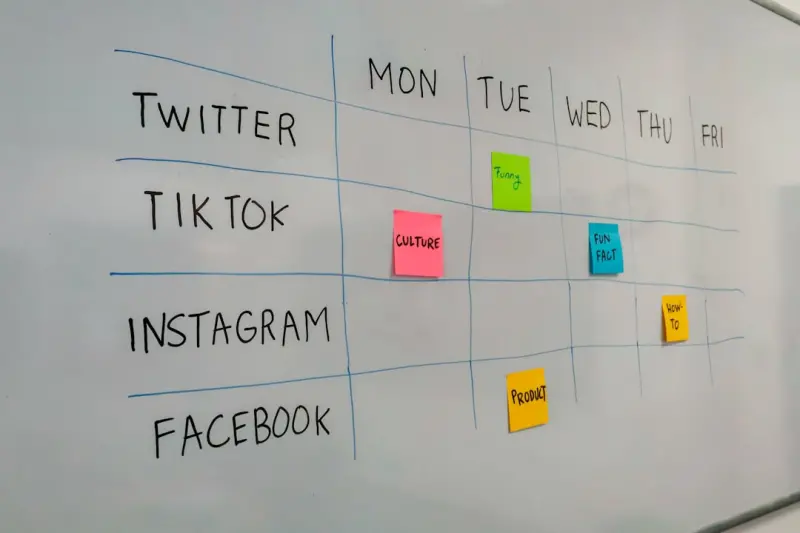
Crafting a Resilient Social Media Strategy: The Calendar‑First Method
A calendar‑first approach lets brands harmonize timeless content with spontaneous trends, creating a resilient social media strategy that drives consistent en...Read More
Adaptive Micro‑Content: The Engine Driving Real‑Time SaaS Engagement
Discover why adaptive micro‑content, built on modular assets and AI orchestration, is the next growth lever for SaaS companies seeking real‑time personaliza...Read More

Turn Customer Reviews into a Local SEO Powerhouse
Learn to collect, optimize, and leverage reviews across platforms, turning genuine feedback into a powerful local SEO engine that outshines competitors....Read More
0 Comments
Post Comment
You will need to Login or Register to comment on this post!