
Why Agile Experiments Matter in Modern SEO
In a landscape where algorithms evolve faster than a coffee break, treating SEO as a static checklist is a recipe for obsolescence. I’ve learned that the most resilient rankings stem from rapid, data‑driven experiments that let you iterate before competitors even notice the shift. By framing each optimization as a hypothesis—complete with control groups, measurable KPIs, and a clear timeline—you create a feedback loop that fuels continuous improvement rather than occasional, costly overhauls.
When you embed experimentation into the core workflow, every piece of content, schema tweak, or internal link placement becomes a testable variable rather than a one‑off decision. This mindset empowers teams to act like growth hackers, pivoting on real‑world signals instead of speculative best practices. The result? Higher organic velocity, lower churn, and a brand narrative that evolves in lockstep with user intent, keeping your site perpetually in sync with search engines’ expectations.
But agility isn’t just about speed; it’s about discipline. Establishing a rigorous documentation process ensures that insights are not lost in the shuffle. Capture hypotheses, outcomes, and next steps in a shared hub, and you’ll soon notice patterns that inform broader strategy—turning isolated wins into systematic advantage.
Designing a Mini‑Lab for SERP Experiments
Think of your website as a living laboratory where each landing page serves as a test tube for SERP variables. Start by selecting a narrow keyword cluster with moderate competition, then clone the target page into a sandbox environment. Here, you can safely tinker with title tags, meta descriptions, and schema markup without jeopardizing existing rankings.
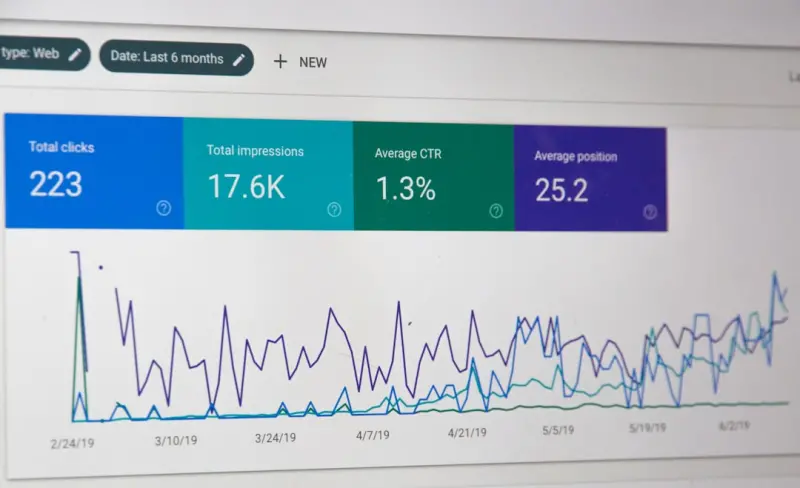
Once the sandbox is live, roll out variations across a split‑test framework: one version might emphasize a question‑based headline, while another leans into a bold benefit statement. Use Google Search Console and a rank‑tracking tool to monitor impressions, click‑through rates, and average position over a 2‑4 week window. The data you gather will reveal which phrasing resonates most with both users and crawlers, giving you a concrete foundation for scaling the winning formula.
Integrating internal insights amplifies the impact. For example, linking to the Unlocking Crawl Budget guide can boost authority signals for your test pages, while referencing Intent‑First SEO reinforces relevance in the eyes of the algorithm. These strategic links act like catalysts, accelerating the diffusion of your experimental learnings across the site.
Scaling Wins Through Structured Roll‑Outs
When a test proves victorious, the temptation is to apply the tweak site‑wide in a single, sweeping deployment. However, a staggered roll‑out minimizes risk and provides additional data points to confirm scalability. Begin by updating a subset of high‑traffic pages, then monitor performance metrics for another 1‑2 weeks before extending the change further.
During this phase, keep an eye on secondary effects such as bounce rate, dwell time, and conversion pathways. Sometimes a headline that drives clicks can unintentionally increase bounce if the page content doesn’t deliver on the promise. By catching these mismatches early, you preserve user experience while cementing the SEO gains.
Finally, codify the successful pattern into a reusable template within your content management system. This institutionalizes the learning, ensuring that future creators inherit the proven structure without reinventing the wheel. Over time, a library of vetted experiments becomes a competitive moat—one that continuously fuels higher rankings without the need for costly agency interventions.
Leveraging Real‑Time User Signals for Instant Feedback
Traditional SEO reporting often lags weeks behind actual search behavior, leaving teams in the dark while algorithms shift beneath their feet. To counter this, integrate real‑time analytics—such as page‑level heatmaps, scroll depth, and click‑through heat zones—into your experiment dashboards. These signals act as early warning systems, highlighting whether a new headline or schema tweak is genuinely engaging users.
For instance, a surge in scroll depth shortly after launching a revised meta description suggests that users are finding the content more relevant, while a sudden drop could indicate a misalignment with intent. Pairing these micro‑metrics with macro SERP data creates a holistic view, allowing you to pivot instantly rather than waiting for weekly ranking reports.
Moreover, real‑time feedback loops enable you to test unconventional ideas—like embedding short, answer‑style snippets or leveraging emerging markup types—without the fear of long‑term penalties. When the data affirms success, you have a compelling case to champion bold, innovative strategies across the organization.
Building a Cross‑Functional SEO Experimentation Culture
SEO rarely exists in a vacuum; it thrives on collaboration between content creators, developers, analysts, and product managers. To embed experimentation into the DNA of your team, establish clear roles: a data analyst defines metrics, a content strategist crafts hypotheses, and a developer implements technical variations. Regular stand‑ups become a forum for sharing early results and brainstorming next steps.
Rewarding successful experiments—whether through internal shout‑outs, bonus structures, or simply highlighting case studies in company newsletters—reinforces the value of data‑driven risk‑taking. Over time, this culture shift reduces the stigma around failure, reframing it as a stepping stone toward more refined, high‑impact SEO tactics.
Don’t underestimate the power of storytelling in this context. When you frame an experiment as a narrative—setting the stage, presenting the conflict (the ranking challenge), and revealing the resolution (the data‑backed win)—you make the insights more memorable and actionable for stakeholders beyond the SEO team.
Integrating Structured Data as a Test Variable
Structured data remains one of the most underutilized levers for organic visibility, yet its impact can be dramatically amplified when treated as an experiment. Begin by selecting a schema type that aligns with your content—FAQ, How‑To, or Product—and implement it on a control page. Then, create a variation that adds additional properties, such as “reviewRating” or “author” fields.
Monitor the appearance of rich results in SERPs, as well as any shifts in click‑through rates and dwell time. A noticeable uptick often translates to higher organic traffic without a corresponding increase in keyword rankings, illustrating the power of enhanced visibility. Remember to validate markup with Google’s Rich Results Test to avoid penalties.
When you discover a winning schema configuration, propagate it across related content types, but always retain a small control group to confirm that the uplift persists at scale. This disciplined approach safeguards against over‑optimization and ensures that structured data remains a sustainable growth engine.
Future‑Proofing SEO with Predictive Modeling
While today’s experiments rely heavily on observed data, the next frontier lies in predictive modeling—using historical performance to forecast the impact of potential changes before they’re implemented. Machine learning platforms can ingest variables such as keyword difficulty, click‑through trends, and content depth to generate probability scores for ranking improvements.
By integrating these predictive insights into your hypothesis stage, you prioritize experiments with the highest expected ROI, conserving resources and accelerating growth. It also empowers teams to make bold, evidence‑based decisions, such as targeting emerging topical clusters or investing in new content formats, with a quantifiable confidence level.
Adopting predictive modeling doesn’t replace human intuition; it augments it, turning gut feelings into data‑backed strategies. As algorithms become more nuanced, this hybrid approach will be essential for maintaining a competitive edge in organic search.
Measuring Success Beyond Rankings
SEO success is often equated solely with higher positions on Google, but true value emerges when rankings translate into measurable business outcomes. Expand your KPI suite to include conversion rate, revenue per visitor, and customer lifetime value stemming from organic traffic. This broader lens helps you assess whether an experiment truly moves the needle for the bottom line.
Use attribution models that weigh assisted conversions—where organic search played a supporting role in multi‑touch journeys—to capture the full impact of SEO initiatives. When you can tie a specific schema tweak or headline test to increased sales, you create a compelling narrative for leadership, securing ongoing investment in the experimentation framework.
Finally, document these outcomes in a living case study repository. Future teams can reference proven tactics, reducing the learning curve and fostering a culture where every SEO decision is rooted in both data and demonstrable business impact.
Conclusion: Making Experimentation the Engine of Sustainable Growth
In the ever‑shifting terrain of search, the only constant is change, and the most successful brands are those that treat SEO as a living experiment rather than a static checklist. By embedding hypothesis‑driven testing, real‑time feedback, and cross‑functional collaboration into your daily workflow, you unlock a feedback loop that continuously refines your visibility and drives meaningful business results.
Remember, each experiment—whether a bold schema overhaul or a subtle headline tweak—adds a data point to a growing intelligence repository. Over time, this repository becomes a strategic asset, informing larger initiatives and safeguarding your site against future algorithmic storms. Embrace the agility, celebrate the insights, and let data be the compass that guides your SEO journey.

Related Posts

Embracing the Future of SEO: Strategies to Stay Ahead of the Curve
Stay ahead in SEO with the latest strategies and trends. Learn how to optimize your online presence,... Read More

Turning Customer Success Stories into SEO Gold
Learn to convert client success stories into powerful SEO assets, using storytelling, multimedia, an... Read More

Semantic SEO for SaaS: An Entity‑Driven Content Engine
This post guides SaaS marketers through building an entity‑driven SEO framework—mapping core con... Read More
Top Posts

Hyper‑Local SEO for SaaS: Turning City‑Level Search Into Qualified Leads
This article reveals a step‑by‑step hyper‑local SEO strategy for SaaS businesses, from mapping geographic intent and creating city‑focused landing pages...Read More
The Convergence of SEO and Content Marketing: A New Era for Online Success
The lines between SEO and content marketing are blurring. Learn how to leverage this convergence to establish your brand as an authority in your industry and dr...Read More

Decoding Google’s Algorithmic Feedback Loops for B2B SaaS Growth
Google’s algorithms are now a dynamic feedback loop that rewards real‑time user engagement, entity relevance, and cross‑domain trust. This post breaks dow...Read More

The Untapped Power of Short‑Form Video Ads for SaaS Growth
Short‑form video platforms are reshaping B2B advertising. This guide walks SaaS marketers through a step‑by‑step strategy to harness TikTok, Instagram Ree...Read More
0 Comments
Post Comment
You will need to Login or Register to comment on this post!