

Why AI‑Powered Creative Optimization Is Changing the Social Ad Game
Marketers have long wrestled with the paradox of needing fresh, eye‑catching ads while juggling limited budgets and shrinking attention spans, and the pressure has only intensified as platforms evolve. AI‑powered creative optimization offers a way to break that cycle by generating dozens of ad variants in minutes, each tailored to subtle audience cues that would take humans hours to decipher. The result is a relentless flow of relevant content that keeps feeds vibrant, reduces fatigue, and drives higher click‑through rates without inflating spend.
The Creative Fatigue Crisis and the Need for Scale
In today's fast‑moving social ecosystems, a single static image can become stale after a few days, causing performance to plummet and budgets to bleed. Brands that rely on manual A/B testing often miss the sweet spot because the window of opportunity closes before data can be acted upon. By deploying AI engines that iterate on copy, color palettes, and layout in real time, advertisers can stay ahead of fatigue and continuously serve the most resonant creative to each micro‑segment.
How AI Generates Copy and Visuals That Convert
Modern generative models ingest brand guidelines, past performance metrics, and audience sentiment to produce ad copy that mirrors the brand voice while injecting fresh hooks; simultaneously, image synthesis tools remix product photography, user‑generated content, and design elements into high‑impact visuals. These systems also rank each variant against predicted engagement scores, ensuring that only the top‑performing pieces enter the live rotation. The synergy of language and imagery crafted by algorithms reduces the reliance on endless creative briefs and accelerates go‑to‑market timelines.
Dynamic Creative Optimization: Real‑Time Feedback Loops
Once AI‑generated ads hit the feed, performance data streams back into the model, allowing it to adjust bidding, placement, and even creative elements on the fly—a process known as dynamic creative optimization. This closed‑loop system transforms what was once a static campaign into a living organism that evolves with audience behavior, platform algorithm changes, and emerging trends. Marketers gain a granular view of which headlines, calls‑to‑action, or visual styles drive conversions at any given moment, turning intuition into measurable insight.
Privacy‑First Targeting in an Era of Data Restrictions
With privacy regulations tightening and third‑party cookies fading, advertisers must pivot to first‑party data and contextual signals to reach the right people without overstepping legal boundaries. AI excels at clustering anonymized behavior patterns, enabling hyper‑segmented audience builds that respect user consent while still delivering relevance. By marrying privacy‑centric data with AI‑driven creative, brands can achieve high‑impact targeting that feels personal without compromising compliance.
Case Study: Turning AI Creative Into Revenue Growth
A mid‑size fashion retailer recently integrated an AI suite into its Facebook and Instagram ad strategy, generating 120 unique ad variations each week based on real‑time inventory and trending hashtags. Within six weeks, the brand saw a 35% lift in ROAS, attributed to the AI’s ability to serve the most compelling visual‑copy pair to each shopper segment. The success underscores the broader point that AI‑enhanced creative doesn’t just look cool—it directly fuels the bottom line, a theme explored further in Unlocking Revenue: How Social Commerce Is Redefining Paid Advertising.
Beyond Pixels: Measuring Success With Advanced Attribution
Traditional pixel‑based metrics only tell part of the story; they miss the nuanced impact of brand awareness, multi‑touch pathways, and offline conversions that AI‑driven campaigns often generate. Leveraging advanced attribution frameworks, marketers can map each AI‑crafted creative back to specific revenue events, uncovering hidden lift and informing future spend allocations. For a deeper dive into building such data pipelines, see Mastering Social Media Attribution: Turn Data Into Revenue, which outlines the technical and strategic steps needed.
Best Practices: Balancing Automation With Human Insight
While AI can churn out endless variations, human oversight remains essential to ensure brand consistency, cultural sensitivity, and strategic alignment. Teams should establish clear guardrails—style guides, tone parameters, and compliance checklists—before letting the algorithm run wild. Periodic reviews of top‑performing creatives help surface insights that can be fed back into the model, creating a virtuous cycle where machine efficiency meets human creativity.
The Road Ahead: A Future of Continual Creative Evolution
As generative technology matures, we can expect even more sophisticated integrations, such as AI‑crafted video snippets, interactive shoppable reels, and real‑time personalization based on live chat or voice inputs. Marketers who invest now in AI‑powered creative pipelines will not only gain a competitive edge today but also lay the groundwork for a future where every social impression feels tailor‑made. The next frontier isn’t just about reaching audiences; it’s about resonating with them in a way that feels both seamless and authentic.

Related Posts

Turning Social Media Ads into Conversational Experiences
Explore the rise of conversational social media ads, AI micro‑targeting, and ethical best practice... Read More

The Untapped Power of Short‑Form Video Ads for SaaS Growth
Short‑form video platforms are reshaping B2B advertising. This guide walks SaaS marketers through ... Read More

AI-Driven Creative Testing: The Next Frontier in Social Media Advertising
Explore AI-driven creative testing, privacy‑centric retargeting, and shoppable short‑form video ... Read More
Top Posts

The LinkedIn Profile Optimization Blueprint That Drives Organic Leads
Discover a step‑by‑step LinkedIn SEO strategy that goes beyond hashtags, leveraging profile keywords, rich media, employee sharing, and LinkedIn groups to g...Read More
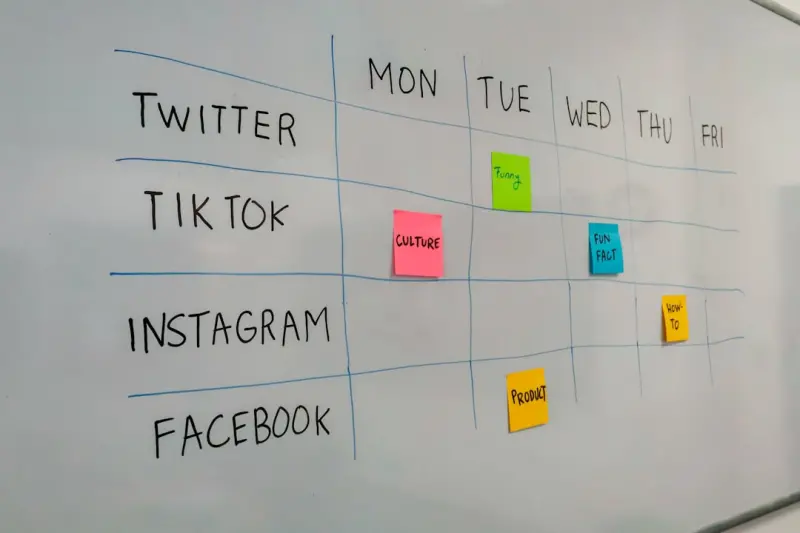
Crafting a Resilient Social Media Strategy: The Calendar‑First Method
A calendar‑first approach lets brands harmonize timeless content with spontaneous trends, creating a resilient social media strategy that drives consistent en...Read More
Unlocking LinkedIn’s Recommendation Engine for SEO Dominance
Learn to turn LinkedIn’s internal recommendation system into a powerful SEO tool, using keyword‑aligned content, employee advocacy, and cross‑posting for ...Read More

Inside Google’s Next‑Gen Ranking Signals: From Passage Indexing to AI‑Generated Snippets
Google’s algorithm now ranks individual passages and AI‑generated answers, demanding a micro‑first SEO approach. This post breaks down the new signals and...Read More
0 Comments
Post Comment
You will need to Login or Register to comment on this post!