

Why On‑Page SEO Must Prioritize Conversions First
When most marketers think about on‑page SEO, the checklist starts with title tags, meta descriptions, header hierarchy, and keyword placement. Those are important, but they’re only half the story for SaaS businesses that need to turn traffic into trial sign‑ups, demos, or paid seats. In today’s hyper‑competitive landscape, an on‑page strategy that treats conversion as the north star can deliver higher ROI than any pure ranking‑first approach.
The hidden cost of a ranking‑only mindset
It’s tempting to celebrate a page that climbs to the top of the SERPs, only to watch bounce rates spike and conversions stall. The hidden cost is two‑fold:
- Wasted acquisition spend. Paid campaigns that funnel users to pages optimized for keywords rather than user intent end up paying for clicks that never convert.
- Damaged brand perception. Visitors who land on a page that looks “SEO‑heavy” but fails to answer their immediate need quickly lose trust.
Instead of asking “Will this page rank?”, ask “What will this page make the visitor do?” That pivot reshapes every on‑page decision.
Mapping user intent to page elements
Every keyword query carries an intent signal—informational, navigational, or transactional. The trick is to surface the element that satisfies that intent above the fold. Here’s a practical framework:
- Identify the primary intent. Use SERP analysis and query modifiers to decide if the user is looking for a how‑to guide, a product comparison, or a free trial.
- Match the intent to a conversion goal. Informational queries often benefit from an email‑gated deep‑dive; transactional queries should lead straight to a CTA button for a demo.
- Place the goal‑aligned element within the first 300 px. Google’s “above‑the‑fold” metric still influences dwell time, and users form an opinion in seconds.
This intent‑first layout reduces friction and aligns SEO with revenue.
Data‑driven hierarchy: Let analytics dictate your headings
Traditional SEO wisdom tells us to place the main keyword in H1, H2, and so on. A conversion‑first approach flips that script: let user behavior data decide heading hierarchy. Tools like heatmaps, scroll depth reports, and click‑through analytics reveal which sections users skim versus read.
For example, if a heatmap shows that users consistently stop scrolling after a bold benefit statement, promote that benefit to an H2 or H3 and add a CTA right underneath. Conversely, if a detailed feature list is ignored, demote it to a collapsible accordion to keep the page lean.
Structured data as a conversion catalyst
Schema markup is often marketed as a way to win rich snippets. But for SaaS sites, it can also boost trust signals that influence conversion:
- FAQ schema. By answering common objections directly in the SERP, you pre‑qualify visitors before they even click.
- Review schema. Displaying verified user ratings on your product page reassures prospects the moment they land.
- SoftwareApplication schema. Highlighting pricing tiers, supported platforms, and free‑trial availability creates a clear value proposition at a glance.
Implement these schemas with semantic power moves that align markup with business goals. When search engines surface these enriched results, you’re already delivering part of the conversion journey before the page loads.
The role of interactive elements in on‑page SEO
Static content can rank, but interactive modules—calculators, assessment quizzes, and product configurators—keep users engaged longer, signal relevance to crawlers, and capture leads. Here’s how to embed them without sacrificing SEO:
- Lazy‑load the interactive widget. Load the core HTML first, then inject the JavaScript after the page is rendered. Search bots still see the textual context.
- Provide a fallback. Include a concise, keyword‑rich summary of the interactive content for crawlers that don’t execute JavaScript.
- Capture intent early. Ask a single, high‑value question (e.g., “What’s your team size?”) before displaying the full tool, and tie the response to a personalized CTA.
These tactics make the page both crawlable and conversion‑optimized.
Testing and iteration: The SEO conversion lab
Just as SaaS product teams run A/B tests on UI, SEO teams must treat on‑page elements as testable variables. A simple test plan might look like this:
| Element | Variant A | Variant B | Goal |
|---|---|---|---|
| CTA button copy | “Start Free Trial” | “Get Instant Access” | Click‑through rate |
| Header order | Feature‑first | Benefit‑first | Time on page |
| Schema type | FAQ | Review | Organic CTR |
Run each test for a statistically significant period, then feed the results back into your keyword and content strategy. This loop creates a self‑optimizing on‑page ecosystem where SEO and conversion data continuously inform each other.
Building a conversion‑first on‑page playbook
To scale this methodology across an entire SaaS site, document the process:
- Intent mapping matrix. A spreadsheet that pairs primary keywords with intent categories and associated conversion goals.
- Element library. Pre‑built CTA modules, schema snippets, and interactive widgets that can be dropped into any page.
- Testing dashboard. Centralize A/B results, organic performance, and conversion metrics in one view.
- Governance checklist. A short list that SEO writers must tick before publishing—e.g., “Is the primary CTA within 250 px? Is schema present? Does the H2 reflect user intent?”
This playbook ensures consistency, reduces reliance on individual intuition, and makes onboarding new writers seamless.
Case study: Turning a product feature page into a lead magnet
One of our SaaS clients saw a 45 % increase in qualified leads after applying a conversion‑first overhaul to their “Analytics Dashboard” feature page. The steps were simple:
- Re‑ranked the page’s headline from a generic “Dashboard Features” to a benefit‑driven “See Real‑Time Insights That Drive Faster Decisions.”
- Added a short, 3‑question assessment quiz that surfaced the visitor’s biggest data challenge.
- Implemented voice‑search friendly markup to capture spoken queries about analytics solutions.
- Inserted an FAQ schema addressing common objections like “Is there a free trial?” and “How does pricing work?”
The page’s average dwell time grew from 32 seconds to 1 minute 12 seconds, and the organic click‑through rate rose 28 %. More importantly, the lead‑to‑MQL conversion jumped from 3 % to 8 %—a clear signal that aligning on‑page SEO with conversion intent pays off.
Future‑proofing: Preparing for AI‑generated SERPs
Search engines are experimenting with AI‑generated answer blocks that synthesize content from multiple pages. To stay relevant, on‑page SEO must become even more granular:
- Semantic clustering. Group related concepts on a single page rather than scattering them across multiple posts. This helps AI models see your page as a comprehensive source.
- Answer‑first formatting. Start each section with a concise, direct answer (under 40 words) before expanding. AI snippets pull the opening sentences for quick extraction.
- Citation transparency. Link to authoritative sources and include inline citations. AI models favor content that can be traced back to reputable data.
By designing pages that anticipate AI extraction, you protect your rankings while still delivering the conversion pathways that matter to your business.
Conclusion: SEO that sells, not just ranks
On‑page SEO isn’t a static checklist; it’s a dynamic conversion engine. When you treat every headline, schema tag, and interactive module as a lever that moves the needle on leads and revenue, you create a virtuous cycle where higher rankings feed more qualified traffic, and better conversions reinforce your SEO authority. Embrace the conversion‑first mindset, back it with data, and watch your SaaS site grow from a traffic magnet to a profit generator.

Related Posts

Semantic HTML & Accessibility: The Hidden On‑Page SEO Engine
Learn why semantic HTML and accessibility are powerful, often‑overlooked levers for on‑page SEO,... Read More

Entity‑Centric On‑Page SEO: Build Semantic Hubs
Discover a fresh, entity‑centric approach to on‑page SEO that goes beyond keywords. This guide w... Read More
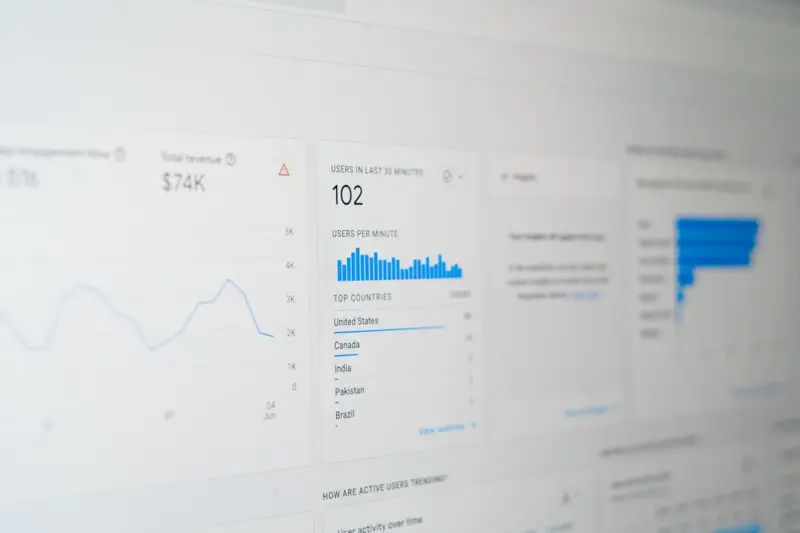
Why On‑Page SEO Should Feel Like a Conversion Funnel
A fresh take on on‑page SEO: treat each page as a funnel that aligns keyword intent, content depth... Read More
Top Posts

Microcopy Mastery: Tiny Text, Big SEO Wins
Learn why the smallest bits of text on your website—buttons, placeholders, error messages—are powerful SEO assets. This guide shows how to audit, optimize, ...Read More
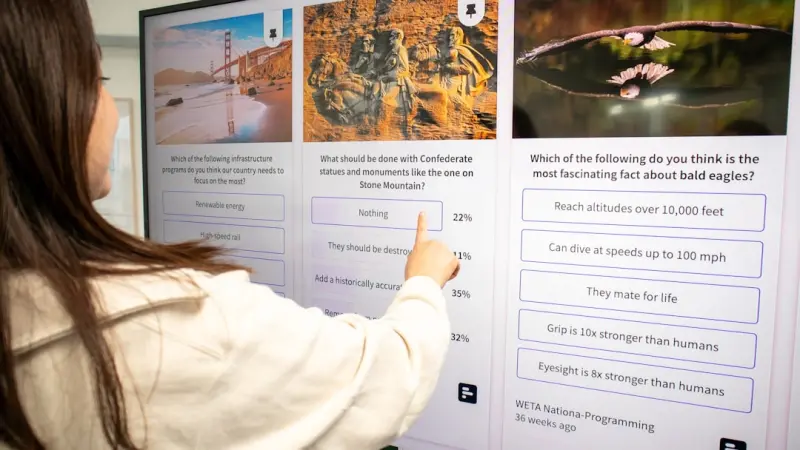
Why Interactive Knowledge Hubs Are the Next Content Frontier
Interactive knowledge hubs turn static resources into living, collaborative experiences, shortening onboarding, reducing support tickets, and increasing convers...Read More

Revolutionizing Your Social Media Strategy for Maximum Engagement
Stay ahead of the curve with the latest social media trends and strategies. Learn how to create a social media strategy that drives engagement, builds brand awa...Read More

The LinkedIn Profile Optimization Blueprint That Drives Organic Leads
Discover a step‑by‑step LinkedIn SEO strategy that goes beyond hashtags, leveraging profile keywords, rich media, employee sharing, and LinkedIn groups to g...Read More
0 Comments
Post Comment
You will need to Login or Register to comment on this post!