

Rethinking Link Building in a Saturated Landscape
In an ecosystem where every marketer touts the next quick‑win guest post, the signal‑to‑noise ratio for backlinks has plummeted, forcing us to ask whether traditional tactics still deliver lasting authority or merely chase fleeting traffic spikes; the answer lies in shifting from opportunistic outreach to purpose‑driven assets that earn links because they solve real problems, not because they ask for a favor. Curated resource hubs have emerged as the quiet powerhouses of modern SEO, combining deep expertise, up‑to‑date data, and a user‑centric design that naturally attracts citations from industry peers, journalists, and even search engine algorithms seeking trustworthy references. As I’ve watched the field evolve, I’ve realized that the most resilient backlinks are those that stem from genuine value—think comprehensive guides, data‑rich reports, or interactive tools that become go‑to references in their niche, turning ordinary pages into evergreen authority magnets.
Curated Resource Pages as Link Magnets
When you build a resource hub that aggregates the best tools, case studies, and research on a specific topic, you create a destination that both novices and seasoned professionals bookmark, share, and reference, effectively turning your site into a community knowledge base that search engines reward with higher rankings; the key is to maintain rigorous editorial standards, regularly audit content for relevance, and embed clear, contextual linking opportunities that invite natural citations. By integrating interactive elements—such as calculators, quizzes, or data visualizations—you not only boost dwell time but also give other creators a reason to embed your widget, which in turn generates high‑quality backlinks without a single outreach email; this approach aligns with Google’s emphasis on user experience and authority, making the link acquisition process feel like a byproduct of genuine utility. Moreover, a well‑structured hub can serve as a launchpad for internal linking, reinforcing topic clusters that amplify the SEO impact of every single inbound link, thereby multiplying the ROI of each piece of content you produce.
Data‑Backed Partnerships & Co‑Creation
Beyond solitary content creation, forging data‑driven partnerships with complementary brands or industry influencers allows you to co‑author research reports, benchmark studies, or trend analyses that are instantly link‑worthy because they combine unique datasets with expert interpretation, creating a win‑win where each party promotes the joint asset to their audiences, effectively doubling the exposure and backlink potential; the secret sauce is transparency—share methodology, provide raw data downloads, and invite peer review to establish credibility that far exceeds a typical blog post. When you position the partnership as a resource for the broader community rather than a self‑promo exercise, you encourage third‑party publications, trade magazines, and even academic journals to cite your findings, generating authoritative backlinks that are hard for competitors to replicate. In practice, I’ve seen teams leverage tools like Google Data Studio or Tableau Public to publish interactive dashboards that not only enrich the content but also serve as embeddable widgets, prompting external sites to link back whenever they reference the visualized insights.
Leveraging Community Platforms for Sustainable Links
Online communities—whether niche forums, Slack groups, or LinkedIn clusters—function as modern word‑of‑mouth engines, and when you contribute high‑value resources such as detailed FAQs, downloadable templates, or curated lists, community members naturally attribute the source, turning your contributions into organic backlink sources that persist long after the discussion ends; the trick is to adopt a servant‑leadership mindset, offering help without overtly selling, which builds trust and positions your brand as the go‑to authority. By hosting AMA (Ask Me Anything) sessions or live workshops within these platforms, you generate real‑time content that can be repurposed into blog posts, video recaps, or slide decks, each with its own set of inbound link opportunities, especially when participants share the material on their own sites or newsletters. This cyclical flow—community contribution → content creation → backlink generation—creates a sustainable ecosystem where links are earned through genuine engagement rather than cold outreach, aligning perfectly with Google’s emphasis on E‑A‑T (Expertise, Authority, Trustworthiness).
Integrating Employee Advocacy into Your Link Strategy
Employees are an often‑underutilized asset in the link‑building arena; by empowering staff to share curated resources, research findings, or thought‑leadership pieces on their personal networks, you tap into a web of trust that search engines recognize, especially when those shares include contextual backlinks to your hub; the result is a cascade of micro‑influencer endorsements that amplify reach without the overhead of traditional influencer marketing. Implementing a simple internal workflow—such as a monthly “share the resource” email that includes pre‑written social snippets and tracking links—can dramatically increase the velocity of natural backlinks, as each employee’s audience perceives the content as a recommendation from a trusted peer rather than a brand push. When combined with a robust analytics framework, you can identify which employee‑driven shares generate the highest referral traffic and link equity, allowing you to refine the program and focus on the most effective advocates, a strategy detailed in Unlocking the Power of Employee Advocacy for Content Marketing Success.
Staying Ahead of Algorithm Shifts with Core Update Insights
Google’s core updates continue to reshape how backlinks are evaluated, placing greater emphasis on relevance, trust, and the contextual relationship between linking and linked pages; therefore, a resource hub that aligns tightly with user intent and showcases transparent sourcing is more likely to withstand algorithmic turbulence, especially when the hub is regularly refreshed with new data and expert commentary. By monitoring update patterns outlined in Decoding Google’s Core Updates: A Data‑Driven Playbook for Modern SEOs, you can proactively adjust your linking strategy—shifting focus from sheer link volume to link quality, ensuring that every inbound link originates from a source that shares topical relevance and editorial integrity. This proactive stance not only safeguards existing equity but also positions your hub as a benchmark for best practices, attracting future links from sites seeking to align themselves with algorithm‑friendly content, thereby creating a virtuous cycle of authority reinforcement.
Measuring Success: Metrics That Matter for Resource‑Driven Links
To justify the investment in curated hubs and partnership initiatives, you need a measurement framework that goes beyond simple link counts, incorporating metrics such as referral traffic quality, domain authority uplift, and the ratio of contextual to non‑contextual backlinks, which together paint a clearer picture of true SEO impact; tools like Ahrefs, Moz, or Google Search Console can surface these data points, allowing you to track how each new piece of content influences overall site health. Additionally, monitoring engagement metrics—average time on page, scroll depth, and social shares—provides insight into how well your resources resonate with audiences, which in turn predicts the likelihood of organic link acquisition; a high‑engagement resource is more apt to be cited by other creators, amplifying its link‑building potency. By setting quarterly benchmarks for these indicators, you create a feedback loop that informs future content themes, partnership opportunities, and community outreach, ensuring that every link earned is both strategic and sustainable.
Future‑Proofing Your Link‑Building Playbook
As the digital landscape continues to evolve, the most resilient link‑building strategies will be those rooted in lasting value rather than fleeting tactics; curated resource hubs, data‑backed collaborations, community engagement, and employee advocacy collectively form a multifaceted approach that not only garners high‑quality backlinks but also fortifies brand reputation, fosters trust, and aligns with search engine expectations for expertise and relevance. By treating each piece of content as a potential link magnet and embedding it within a broader ecosystem of relationships and user‑centric experiences, you future‑proof your SEO efforts against algorithmic shifts and competitor saturation, turning link building from a chore into a strategic growth engine that fuels long‑term organic success.

Related Posts

Link Building Reimagined: The Relationship‑First Playbook for SaaS Growth
Traditional link building is evolving. Learn how to turn backlinks into long‑term collaborations t... Read More

Interactive Tools: The Next Frontier in Scalable Link Building
Learn how to create and promote interactive tools that naturally earn backlinks, drive traffic, and ... Read More

Turning Link Building into a Data‑Backed Growth Engine for SaaS
This post outlines a data‑first, product‑aligned framework for SaaS link building, covering pros... Read More
Top Posts
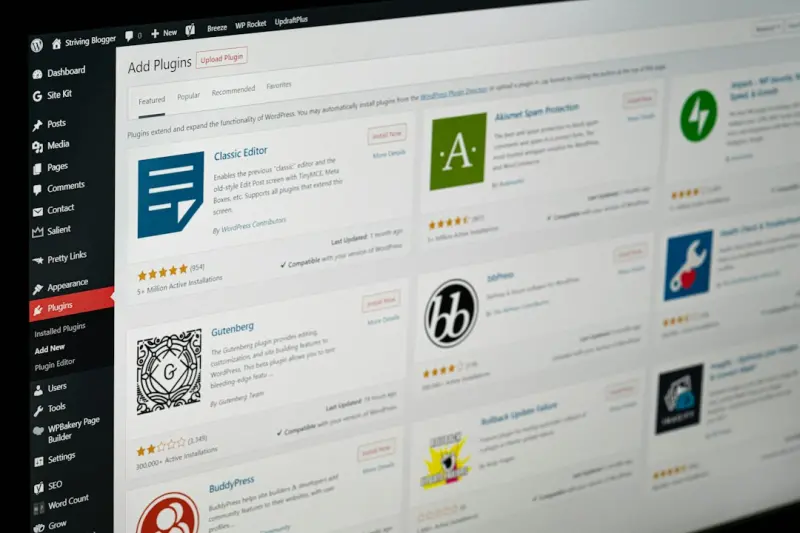
The Untapped Technical SEO Levers in WordPress Every Marketer Should Master
A deep dive into the often‑ignored technical aspects of WordPress SEO—performance, schema, crawl budget, Gutenberg structure, and more—showing marketers h...Read More
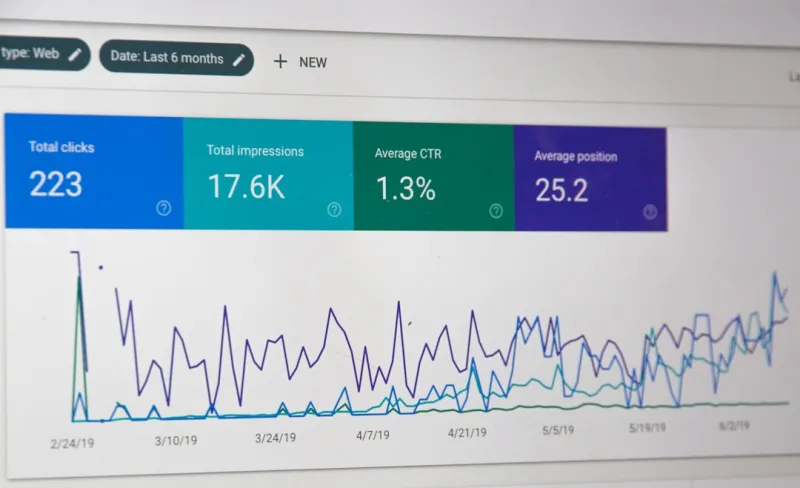
Revolutionizing Social Media Strategy: How SEO and Content Marketing Converge
A well-planned social media strategy paired with a robust SEO approach and high-quality content marketing is essential for driving online success. Learn how to ...Read More

Turning API Partnerships into Link Gold for SaaS Brands
Learn how to transform API integrations into powerful backlinks, boost domain authority, and drive qualified traffic by combining technical partnerships with st...Read More

Turn Your Content Library into a Growth Engine with Strategic Audits
Learn to turn your sprawling content library into a focused growth engine through strategic audits, repurposing, and continuous optimization....Read More
0 Comments
Post Comment
You will need to Login or Register to comment on this post!