
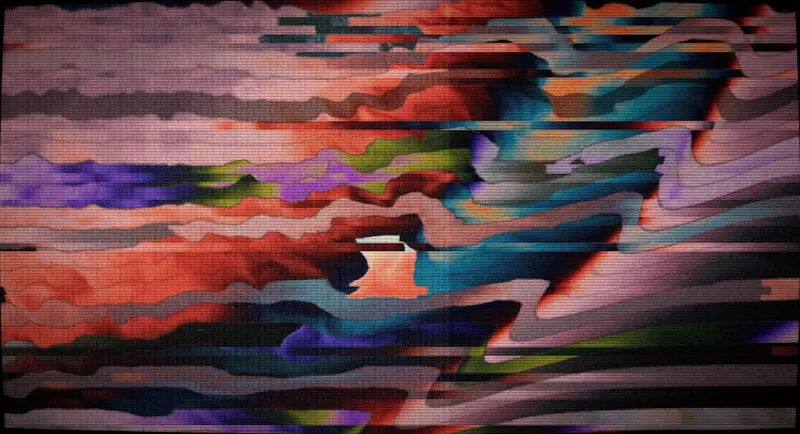
Why Mixed‑Reality Is No Longer a Niche Experiment
When I first saw a friend’s child chase a digital dinosaur across the living‑room floor, I thought it was a clever gimmick; today that same scene feels like a baseline expectation for many audiences. The convergence of augmented reality and virtual reality into a seamless mixed‑reality (MR) layer is rewriting the rulebook for what content can look like, how it can be consumed, and the depth of emotional connection it can forge. Brands that once relied on static images or short videos are now piloting experiences where a user can walk through a product’s universe, manipulate its components in real time, and leave with a memory that lives on their own devices. This shift isn’t driven solely by tech enthusiasts—mass‑market smartphones equipped with LiDAR sensors, affordable headsets, and 5G connectivity are democratizing the tools that make MR possible, turning it into a strategic priority for marketers across every vertical.
The AR Foundation: Turning Everyday Devices Into Portals
Smartphones have become the most ubiquitous MR gateways because they already sit in the palm of billions of users, and recent sensor upgrades have turned them into powerful spatial scanners. When a user points their phone at a coffee shop window and sees a steaming latte materialize in 3D, the brand isn’t just advertising a product; it’s inviting the consumer into an interactive narrative that can be explored from any angle. This level of immersion drives higher recall rates, and the data generated—heat maps of where users linger, gestures they perform, and objects they manipulate—feeds back into content planning cycles. Companies that master this “AR‑first” mindset can repurpose the same 3D assets across social stories, e‑commerce pages, and even email campaigns, maximizing ROI while keeping the creative thread consistent. For creators looking to amplify their visual arsenal, visual repurposing offers a proven pathway to stretch a single model into countless touchpoints.
VR’s Resurgence: From Gaming Labs to Brand Showrooms
Virtual reality, once pigeonholed as a gaming novelty, has found a second wind thanks to lighter headsets, standalone processing, and enterprise‑grade content platforms that lower the barrier to entry for non‑technical teams. Imagine stepping into a virtual showroom where a luxury car glides around you, its doors opening on command, its engine’s roar resonating in the space around you—no physical lot required. This level of immersion not only shortens the buyer’s decision cycle but also provides brands with a sandbox for rapid prototyping; they can test multiple design iterations, gather real‑time feedback, and iterate without the cost of building physical mock‑ups. The analytics baked into these VR ecosystems—dwell time, gaze direction, and interaction depth—offer a granular view of consumer intent that traditional web metrics simply cannot match. As VR hardware becomes as commonplace as a pair of headphones, the strategic value of building a dedicated “virtual brand space” will shift from a differentiator to a baseline expectation.
Hybrid Experiences: Blurring the Line Between AR and VR
The most compelling MR moments occur when AR and VR are woven together, allowing users to transition fluidly from a grounded, camera‑view experience to a fully immersive world without breaking the narrative thread. A fashion retailer, for example, might let shoppers scan a physical garment in a store to see a 3D overlay of how it moves on a runway, then tap a button that transports them into a virtual backstage where they can customize fabrics and see the impact instantly. This hybrid approach leverages the convenience of AR’s on‑the‑go accessibility while harnessing VR’s depth for deeper storytelling. Production pipelines must therefore accommodate both photogrammetry for realistic textures and real‑time rendering engines that can scale across devices. The creative challenge lies in designing experiences that feel seamless—where the user never questions whether they’re looking through a screen or stepping into a virtual room—thereby preserving the magic of the moment and reinforcing brand loyalty.
Redesigning the Production Workflow for Immersive Content
Creating MR assets demands a collaborative studio model that unites 3D artists, UX designers, data analysts, and copywriters from day one, rather than the linear hand‑off approach that dominated traditional video production. Asset libraries now need to be built with modularity in mind; a single 3D model of a product can serve as the core element for AR overlays, VR environments, and even interactive print ads that trigger experiences via QR codes. Cloud‑based rendering farms accelerate the creation of high‑resolution scenes, while real‑time engines like Unity or Unreal enable instant previews on target devices, shortening feedback loops dramatically. Moreover, version control systems must track not just edits to code but also changes to texture maps, animation rigs, and interaction scripts, ensuring every stakeholder works from the same living document. By integrating these processes early, teams can reduce production costs by up to 30% and launch immersive campaigns faster than ever before.
Storytelling in Three Dimensions: Crafting Narratives That Users Can Touch
Traditional storytelling relies on linear arcs and passive consumption; mixed‑reality flips that script by inviting users to become co‑authors of the narrative. In an MR experience, every gesture—pinching to zoom, swiping to rotate, speaking a command—acts as a plot device that can unlock new chapters or alter outcomes. Brands can embed branching storylines that respond to user choices, turning a simple product demo into an adventure where the consumer decides the path. Audio, too, plays a pivotal role; spatial sound cues guide attention, signal hidden interactions, and deepen emotional resonance, echoing the principles of audio‑first storytelling. By marrying visual immersion with responsive audio and tactile interaction, creators can deliver moments that feel personal, memorable, and shareable, driving organic amplification across social platforms.
Measuring Success: Metrics That Matter in Mixed‑Reality Campaigns
ROI calculations for MR projects extend far beyond clicks and impressions; they demand a new set of performance indicators that capture user immersion, emotional impact, and behavioral intent. Key metrics include average session duration within the MR environment, interaction depth (how many objects a user manipulates), and conversion triggers such as “virtual try‑on” completions that lead to a purchase. Heat‑mapping tools now render three‑dimensional attention maps, showing where users spend the most time in a virtual space, while biometric integrations—like eye‑tracking and heart‑rate monitoring—can reveal genuine emotional responses. By correlating these immersive data points with downstream sales or brand lift studies, marketers can build a compelling business case for continued investment in MR, proving that the added production complexity translates into measurable business outcomes.
Real‑World Playbooks: Brands That Have Nailed the MR Moment
Several forward‑thinking companies have already demonstrated the power of mixed‑reality to reshape consumer perception. A global sneaker brand launched an AR “design‑your‑own” studio that let users paint, stitch, and preview their creations on a 3D foot model, then instantly shared the result to social feeds, generating a 45% spike in user‑generated content. Meanwhile, a luxury hotel chain introduced a VR lobby where prospective guests could explore rooms, order services, and even “walk” to the pool before booking, leading to a 30% increase in pre‑arrival bookings. These case studies underscore a common formula: start with a clear consumer pain point, build a modular 3D asset library, and layer interactive touchpoints that guide the user toward a tangible conversion. When executed thoughtfully, mixed‑reality not only dazzles but also drives bottom‑line results, turning novelty into a sustainable growth engine.
Looking Ahead: The Next Wave of Immersive Content
The mixed‑reality frontier is still in its early chapters, and the next wave will likely be defined by AI‑generated environments that adapt in real time to user behavior, as well as haptic feedback devices that let us feel virtual textures. As bandwidth continues to expand and edge‑computing reduces latency, creators will have the freedom to design experiences that are both hyper‑realistic and instantly accessible. For marketers, the imperative is clear: invest in the tools, talent, and mindset required to think three‑dimensionally, and start prototyping today. The brands that learn to blend physical presence with digital imagination will not only capture attention—they’ll earn a place in the consumer’s lived experience, turning fleeting impressions into lasting relationships.

Related Posts
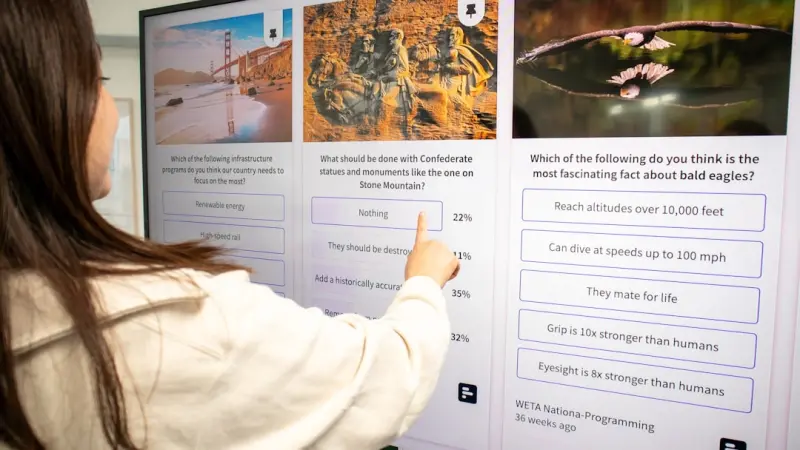
The Next Wave: Adaptive Content Experiences for SaaS
Adaptive content turns static SaaS pages into living, personalized experiences by using modular bloc... Read More

The Evolution of Content Trends: Strategies for Success in 2024 and Beyond
Discover the latest content trends shaping the future of digital marketing. Learn how to leverage SE... Read More

The Evolution of Content Trends: Navigating the Future of Digital Marketing
Discover the latest content trends and strategies to improve your online presence and drive business... Read More
Top Posts

Micro‑Community Mastery: A New Blueprint for Social Media Strategy
Learn why building niche micro‑communities, leveraging AI‑driven listening, and deploying multimodal content are the keys to a resilient, future‑proof soc...Read More

Boost Your WordPress SEO with Empathy‑First Tactics
Learn why empathy‑first SEO is the secret weapon for WordPress sites, covering mobile, technical foundations, content, and link building to boost rankings and...Read More
The Future of Content Strategy: Human‑Centric Storytelling in 2024
Laura Wilson reveals how human‑centric storytelling, empathy mapping, and community co‑creation are reshaping content strategy in 2024, delivering authentic...Read More
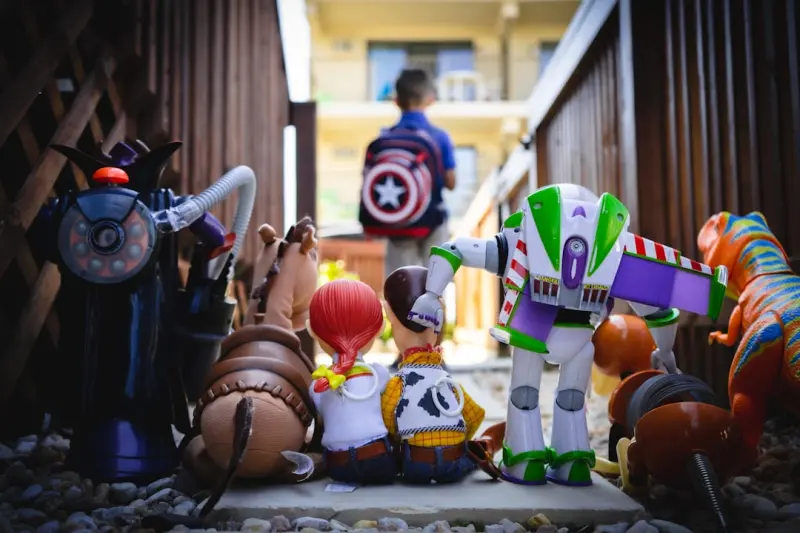
The Tangible Revolution: Why Hand‑Crafted Toys Are Winning Hearts Again
Analog toys are experiencing a resurgence as parents and kids seek sensory-rich, screen‑free play. From curated subscription boxes to community‑driven maker...Read More
0 Comments
Post Comment
You will need to Login or Register to comment on this post!