

Why Static Copy Is No Longer Enough
When I first started writing for SaaS, a single landing‑page paragraph could carry the weight of a product’s value proposition. Today that approach feels as outdated as a floppy disk. Buyers expect to experience a solution before they even click “Start trial.” This shift isn’t just about adding a splash video or a snazzy hero image; it’s about re‑architecting the entire content experience so that every interaction feels personal, dynamic, and—most importantly—valuable.
From Passive Reading to Active Participation
Interactive content turns the visitor from a passive reader into an active participant. Think of quizzes that surface the exact use‑case a prospect needs, calculators that reveal ROI in real time, or guided product tours that adapt based on a user’s answers. The magic lies in the feedback loop: the content learns from the visitor, and the visitor learns from the content.
- Quizzes & assessments: These surface pain points and instantly suggest solutions, shortening the sales cycle.
- Interactive calculators: By quantifying potential savings or revenue uplift, they give prospects a concrete reason to keep exploring.
- Dynamic demos: Rather than a static video, a guided demo lets users pick the features they care about, making the experience feel bespoke.
When executed correctly, these formats boost dwell time, reduce bounce rates, and—crucially for SaaS—provide high‑intent leads that are primed for a sales conversation.
Data‑Driven Personalization at Scale
Personalization used to be a luxury reserved for enterprise brands with massive budgets. Today, AI‑powered platforms can segment visitors based on behavior, referral source, or even device type and deliver tailor‑made content in real time. Imagine a visitor who lands on your pricing page after reading a case study about remote team collaboration. An intelligent content engine can instantly surface a testimonial from a similar remote‑first company, or a custom ROI calculator that factors in distributed workforce savings.
This kind of relevance is no longer a nice‑to‑have; it’s a baseline expectation. Research shows that personalized experiences can increase conversion rates by up to 30 %.
Multimodal Storytelling: Audio, AR, and Beyond
While video has dominated the content landscape for years, the next wave is multimodal storytelling—mixing audio, augmented reality (AR), and even interactive PDFs to meet users where they are. A SaaS product that helps architects, for example, could embed a short AR experience directly on a blog post, allowing readers to visualize a 3D model of a building with just a smartphone scan.
Audio snippets, such as micro‑podcasts embedded in blog posts, cater to the growing number of professionals who consume content while commuting or multitasking. By offering content in multiple formats, you widen your reach and let users choose the medium that best fits their workflow.
Turning User‑Generated Content Into a Growth Engine
One of the most under‑leveraged resources in SaaS is the wealth of insights buried in customer success stories, support tickets, and community forums. By curating and repurposing this user‑generated content, you not only enrich your knowledge base but also create authentic, link‑worthy assets. For instance, a well‑crafted case study that showcases a customer’s ROI can become a powerful transforming success stories into linkable assets—driving both SEO value and social proof.
Amplifying Content Through Employee Advocacy
While many teams focus on external channels, your own employees are a goldmine for authentic distribution. When staff members share product insights, behind‑the‑scenes videos, or thought leadership pieces, they add a layer of trust that traditional advertising can’t replicate. Leveraging employee networks can dramatically increase the reach of your interactive assets, especially when those assets are built for shareability—like a quick ROI calculator or an AR demo that sparks curiosity.
To get the most out of this approach, provide your teams with ready‑to‑share snippets, embeddable widgets, and clear guidelines that align with brand voice. The result is a network of advocates who amplify content without feeling like they’re pushing a sales pitch.
Measuring Success: Metrics That Matter
Traditional content metrics—page views, time on page, bounce rate—still matter, but interactive experiences demand deeper insight. Here are the key performance indicators you should be tracking:
- Engagement depth: How many steps did a visitor complete in a quiz or demo?
- Conversion lift: Compare lead‑gen rates before and after deploying an interactive widget.
- Data quality: The richness of information collected (e.g., firmographic data from a calculator) can improve lead scoring.
- Social amplification: Track shares and mentions of interactive assets, especially when employee advocacy is in play.
By aligning these metrics with revenue outcomes, you can demonstrate the tangible ROI of immersive content initiatives.
Building an Interactive Content Playbook
Implementing interactive content doesn’t happen overnight. Below is a pragmatic roadmap to get your SaaS brand from static copy to immersive experiences:
- Audit existing assets: Identify high‑traffic pages that could benefit from interactivity—pricing pages, feature overviews, and blog posts that already drive engagement.
- Pick the right format: Choose quizzes for lead qualification, calculators for ROI proof, and AR demos for product visualization, based on audience needs.
- Partner with technology providers: Whether you use a no‑code interactive content platform or develop custom widgets, ensure the solution integrates with your CMS and CRM.
- Prototype and test: Roll out a single interactive element, measure its impact, and iterate. A/B testing is essential to fine‑tune the experience.
- Scale and amplify: Once validated, replicate the format across other key pages and promote via email, social, and employee channels.
Case Study: A SaaS HR Platform’s Interactive Hiring Calculator
One of our clients, an HR SaaS provider, struggled with long‑form case studies that rarely converted. They introduced a “Hiring Cost Savings Calculator” on their blog, allowing HR managers to input headcount, turnover rates, and salary data. The tool instantly displayed potential savings, which could be emailed directly to the user. Within three months, the calculator generated a 45 % increase in qualified leads and cut the average sales cycle by 20 %.
This success was amplified by employee advocacy: the sales team shared the calculator link on LinkedIn, adding personal insights about its development. The result? A surge in organic traffic and dozens of inbound links from HR industry blogs—a perfect illustration of how short‑form video as a content catalyst can complement interactive tools.
Future‑Proofing Your Content Strategy
The content landscape will continue to evolve, but a few principles will remain constant:
- Human‑first design: Even the most sophisticated AI experiences must feel intuitive and respect user privacy.
- Data‑driven iteration: Use real‑time analytics to refine interactive elements, ensuring they always deliver value.
- Cross‑functional collaboration: Marketing, product, and customer success must work together to surface the right stories and data points.
By embracing immersive, interactive content today, SaaS brands position themselves to meet the expectations of tomorrow’s buyers—who will demand not just information, but meaningful experiences.

Related Posts

Why Audio Content Is the Next Growth Lever for SaaS Brands
Audio is emerging as a powerful, underused channel for SaaS marketers. This post explores how podcas... Read More

When AI Becomes Your Content Department: Trends Redefining SaaS Storytelling
Explore three AI‑first content trends—real‑time personalization via prompt engineering, autono... Read More
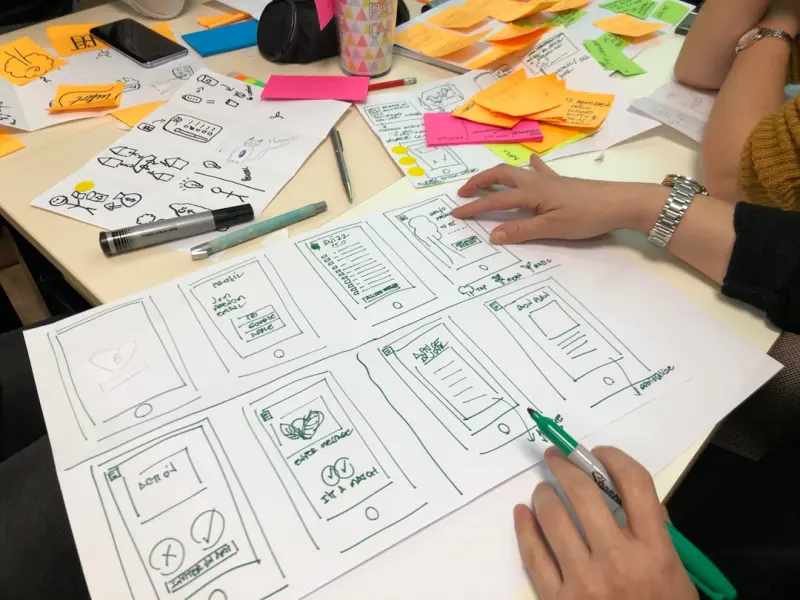
Collaborative Content Creation: How Co‑Creation Is Reshaping Brand Storytelling
Explore the rise of collaborative content, real‑time co‑creation tools, and practical steps for ... Read More
Top Posts

Mastering On‑Page SEO with Semantic Structure and Entity Optimization
Learn a fresh on‑page SEO strategy that blends semantic markup, entity‑driven content, and performance hacks to outsmart algorithms and delight readers....Read More

Semantic Topic Clustering: A Modern Blueprint for SEO Authority
Learn to build semantic clusters that signal topic authority, improve internal linking, and future‑proof your SEO strategy for sustainable growth....Read More

Agile Content Creation: Turning Ideas into Impact at Speed
Learn to transform your content workflow with agile sprints, visual Kanban tracking, and continuous audience feedback for faster, more effective publishing....Read More

The Human‑Centric Playbook for Social Media Advertising Success
Discover a human‑centric approach to social media advertising that blends empathy, data, and creative storytelling to turn clicks into lasting customer relati...Read More
0 Comments
Post Comment
You will need to Login or Register to comment on this post!