

Why Content Pruning Matters More Than Ever
Most SaaS marketers spend countless hours churning out fresh blog posts, whitepapers, and how‑to guides. The impulse is understandable: new content feels like new traffic. Yet the real SEO engine often lives in the pages you already own. Over time, some assets become outdated, some lose relevance, and others simply dilute your site’s authority. When you let that happen, you’re effectively handing crawl budget and link equity to dead weight.
Enter content pruning and strategic refreshes – a disciplined, data‑driven practice that trims the underperformers, consolidates overlapping topics, and revitalizes high‑potential pages. Think of it as a seasonal cleaning for your website: you keep what works, you upgrade what can work, and you discard what drags you down. The payoff? Better user signals, improved crawl efficiency, and a measurable lift in rankings without the cost of creating brand‑new pages.
Audit Your Existing Assets
The first step is a comprehensive audit. This isn’t a casual scroll‑through; it’s a systematic extraction of every indexed URL, its performance metrics, and its contextual relevance.
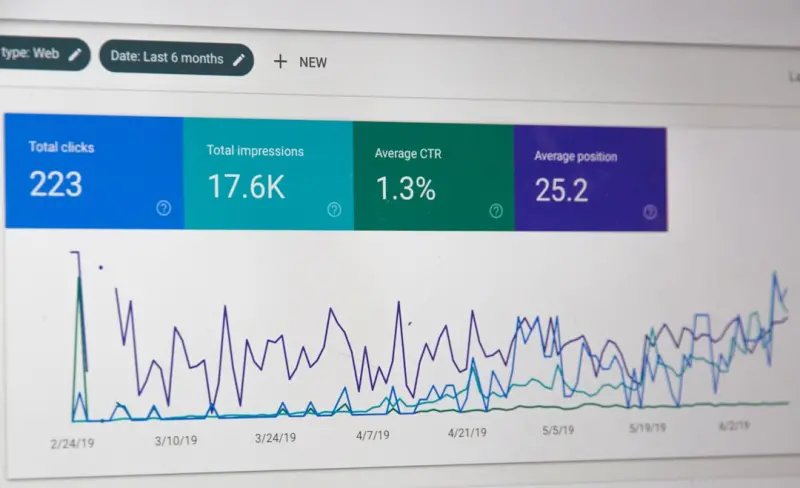
- Pull data from Search Console – impressions, clicks, average position, and CTR.
- Layer in analytics – bounce rate, average session duration, and conversion paths.
- Cross‑reference with your product roadmap – does the page still align with the features you’re actively selling?
- Map content to user intent – informational, navigational, transactional, or commercial investigation.
Tools like Screaming Frog, Ahrefs, or Semrush can automate much of this extraction, but the real insight comes when you overlay the numbers with business context. A page that garners impressions but no conversions may be an untapped opportunity, whereas a page that draws traffic but spikes bounce could be a sign of mismatched intent.
Identify Low‑Performing Pages
Once you have the data, flag the pages that meet any of these criteria:
- Average position beyond the top 30 for core keywords.
- CTR below 1 % despite decent impressions.
- Organic traffic down more than 30 % year‑over‑year.
- High bounce rate (>70 %) with low average time on page.
- Thin content (under 300 words) that doesn’t satisfy search intent.
These are your candidates for either a deep refresh, consolidation, or removal. Remember: the goal isn’t to simply delete pages, but to make each URL a strong signal for a specific, valuable query.
Decide: Delete, Consolidate, or Refresh?
Each low‑performing page falls into one of three buckets. Here’s how to make the call:
- Delete – The content is outdated, irrelevant, or duplicated across the site. If the page has no inbound links, no brand equity, and no traffic, a 301 redirect to the most relevant parent page or a clean removal (via Google’s URL Removal tool) is the cleanest approach.
- Consolidate – Two or more pages target the same keyword cluster or address overlapping topics. Merge them into a comprehensive, pillar‑style resource that covers the entire breadth of the subject. Use a 301 redirect from the old URLs to the new, consolidated page to preserve link equity.
- Refresh – The page has decent authority (backlinks, traffic) but its content is stale or misaligned with current intent. This is where you can extract the most value with relatively low effort.
Refresh Strategies That Actually Move the Needle
A surface‑level rewrite (changing a few sentences) rarely yields a ranking jump. Effective refreshes combine three core pillars: relevance, depth, and technical polish.
Re‑align with Current User Intent
Search intent evolves. What users asked for a year ago may have shifted from “how to set up a SaaS trial” to “best practices for SaaS onboarding automation.” Use tools like Google Trends, AnswerThePublic, and the “People also ask” box to surface the newest phrasing. Then, rewrite headings and body copy to mirror that language.
Add Structured Data & Semantic Markup
Google’s algorithm increasingly relies on schema markup to understand page context. Implement FAQ, HowTo, and Product schema where relevant. Not only does this boost the chance of rich snippets, it also reinforces the page’s topical authority.
Upgrade the User Experience
On‑page SEO isn’t just about keywords. A page that loads in 2 seconds on desktop but takes 7 seconds on mobile will suffer. While you’re not focusing on pure speed (that’s the realm of speed‑focused SEO approach), ensure that images are compressed, above‑the‑fold content is lean, and interactive elements are mobile‑friendly. A clean, scannable layout with clear headings (H2, H3) and bullet points improves dwell time and reduces bounce.
Enrich with Media & Data
Adding a short explainer video, a downloadable template, or a fresh data chart can dramatically increase engagement. When you embed a video, remember to provide a transcript – it’s both accessibility‑friendly and an extra source of keyword-rich text for crawlers.
Leverage Internal Linking
After a refresh, audit your site’s internal link structure. Add contextual links from high‑authority pages to the refreshed page, using descriptive anchor text. This passes link equity and signals relevance to search engines.
Case Study: Turning Stale Blog Posts into SEO Gold
One of our SaaS clients had a repository of 200 blog posts on “project management best practices.” Most were written before the rise of remote work and had flat traffic. By applying the prune‑and‑refresh methodology, we identified 45 posts that still attracted consistent impressions.
We merged overlapping articles into two comprehensive guides, updated the rest with new statistics from 2023, added FAQ schema, and inserted internal links from the product documentation hub. Within three months, the combined traffic of the refreshed set grew by 68 %, and the consolidated guides each entered the top‑5 results for their primary keywords.
The success was amplified by promoting the refreshed content through real‑world client stories on the company’s LinkedIn page, which drove additional social signals and backlinks.
Technical Hygiene: Crawl Budget & Site Architecture
Search engine bots have a finite crawl budget for each domain. When you flood them with low‑value URLs, you risk them missing your high‑value pages. By pruning dead‑ends, you free up budget for the pages that matter.
Use the robots.txt file to block irrelevant directories (e.g., staging, old test pages). In Google Search Console, inspect the “Crawl Stats” report to verify that the average crawl depth has improved after pruning. A leaner site architecture also makes it easier for users and bots to navigate, which positively impacts dwell time and ranking.
Measuring Success Post‑Pruning
Don’t let the work fade into the background. Set up a measurement framework that tracks:
- Organic traffic lift – compare pre‑ and post‑prune periods, normalizing for seasonality.
- Keyword position gains – focus on the primary keywords of refreshed pages.
- Conversion uplift – monitor leads or trial sign‑ups generated from the refreshed content.
- Crawl efficiency – watch the reduction in “Crawl errors” and the increase in pages crawled per day.
Dashboard tools like Data Studio or Looker can automate these reports, giving you a clear view of ROI.
Future‑Proofing Your On‑Page Strategy
Pruning isn’t a one‑off task; it’s a recurring habit that dovetails with emerging search trends:
- Voice Search – Optimize for conversational queries and include concise answers in paragraph form.
- AI‑Generated Summaries – Search engines are experimenting with AI snippets; well‑structured, comprehensive content is more likely to be selected.
- Entity‑Centric Rankings – Use schema and consistent NAP (Name, Address, Phone) data to help Google understand your brand as an entity.
- Continuous Content Refresh – Set quarterly reminders to revisit high‑traffic pages, updating statistics, links, and user intent signals.
By embedding pruning into your editorial calendar, you ensure that every piece of content remains a living, ranking‑ready asset.
Conclusion: Make Pruning Part of Your SEO DNA
In a world where fresh content gets the spotlight, the quieter work of content pruning and strategic refresh can be the hidden lever that propels your SaaS site ahead of the competition. It’s not about sacrificing creativity; it’s about giving your best ideas the runway they deserve. Start with a data‑driven audit, make decisive calls on delete, consolidate, or refresh, and watch your on‑page signals sharpen. Your crawl budget, user experience, and ultimately, your bottom line will thank you.

Related Posts
Inclusive On-Page SEO: Boost Rankings with Accessibility
Learn how integrating accessibility into your on-page SEO strategy not only enhances user experience... Read More

Human‑Centric On‑Page SEO: Strategies That Speak to Users and Search Engines
Learn how to craft on‑page SEO that balances user intent, semantic HTML, and core web vitals, crea... Read More

Turning SaaS Feature Pages into SEO Powerhouses
Feature pages are the hidden gold mines for SaaS SEO. This guide shows how to map buyer intent, stru... Read More
Top Posts

DIY Toy Upcycling: Breathing New Life into Everyday Objects
Explore the joy of turning everyday waste into imaginative playthings with simple steps, project ideas for all ages, and tips for integrating upcycled toys into...Read More

Podcast Guesting: The Underrated Link‑Building Powerhouse
Explore the untapped potential of podcast guesting as a modern link‑building tactic, from audience mapping and pitch crafting to repurposing episodes for maxi...Read More

The Hidden Psychology Behind On‑Page SEO
Discover how aligning on‑page SEO with human psychology—through intent mapping, cognitive load reduction, and strategic internal linking—creates a powerfu...Read More

Unlocking the Power of Technical SEO: A Comprehensive Guide
Technical SEO is the foundation of any successful SEO strategy. Learn how to optimize your website's technical elements to improve visibility and drive more tra...Read More
0 Comments
Post Comment
You will need to Login or Register to comment on this post!