

Why Content Strategy Needs a Thought‑Leadership Lens
When I first stepped into the SaaS world, I quickly learned that “content” is a buzzword that can mean anything from a single tweet to a multi‑year brand narrative. Yet most teams treat content strategy like a checklist—keyword research, editorial calendar, publishing cadence—without asking the deeper question: What do we want to be known for? In the crowded B2B landscape, the only way to cut through the noise is to own a point of view that customers trust and return to, day after day. That point of view becomes the backbone of a true thought‑leadership content strategy.
Mapping the Knowledge Landscape
Before you can claim expertise, you must understand the terrain you’re navigating. I start by mapping the “knowledge gaps” that exist between the problems my prospects face and the solutions the market offers. This isn’t a static SWOT analysis; it’s a living map that evolves with every new product release, industry regulation, or competitor pivot.
One practical method is to audit existing content—blog posts, whitepapers, webinars—and tag each asset with three dimensions: Problem addressed, Depth of insight, and Audience maturity. The resulting matrix highlights where you’re over‑producing (e.g., basic how‑to guides for senior executives) and where you’re under‑serving (e.g., strategic frameworks for emerging tech adopters). This map becomes the compass for every piece of thought leadership you create.
Crafting Pillar Narratives That Resonate
With the knowledge map in hand, the next step is to build pillar narratives—broad, high‑level themes that can be broken down into micro‑content. Think of these pillars as the “big ideas” that anchor your brand’s voice. For a SaaS platform focused on data security, a pillar could be “Human‑Centric Risk Management.” From there, you can spin off case studies, opinion pieces, and even podcasts that each explore a slice of that larger idea.
These pillars should be both aspirational and actionable. They need to inspire confidence while also delivering concrete takeaways that readers can apply immediately. When done right, the pillar becomes a magnet for inbound links, speaking engagements, and partnership opportunities.
The Role of Audience Personas in B2B Thought Leadership
Many marketers assume that personas are only useful for demand‑generation campaigns. In a thought‑leadership context, personas become the lenses through which you tailor the depth and tone of your insights. A CTO will crave technical depth and data‑driven arguments, while a VP of Operations will look for strategic implications and ROI forecasts.
Build persona “knowledge profiles” that capture not just demographics but also the decision‑making journey, preferred content formats, and the specific doubts they wrestle with at each stage. Align each pillar narrative to these profiles, ensuring that every piece of content feels like a bespoke answer to a real, pressing question.
Distribution Channels Beyond the Blog
Thought leadership doesn’t live on a single platform. While the company blog remains a central hub, you must amplify the message across the ecosystems where your personas spend time. This includes niche industry forums, LinkedIn newsletters, curated Slack communities, and even emerging platforms like Clubhouse or Discord for tech‑savvy audiences.
One tactic I love is the “content ripple”: take a deep‑dive whitepaper and break it into a series of LinkedIn carousel posts, a short video script, an audio snippet, and a live Q&A session. Each format reinforces the same core idea, but each reaches a different segment of your audience. By treating distribution as an ecosystem rather than a one‑off push, you multiply the impact of every pillar.
Metrics That Matter for Influence
Traditional vanity metrics—page views, bounce rate, social likes—tell you little about thought‑leadership efficacy. Instead, focus on influence metrics that reflect how deeply your content is resonating:
- Engagement depth: average time on page, scroll depth, and the number of content assets consumed per session.
- Referral quality: traffic from high‑authority domains (industry journals, analyst sites) that link back to your pillar pieces.
- Conversation triggers: the volume of inbound inquiries, demo requests, or partnership outreach that reference a specific piece of thought leadership.
- Community amplification: shares or mentions within professional groups, webinars, or podcasts where your brand is quoted as an expert.
These signals give you a clearer picture of whether you’re shaping the conversation or merely adding to the noise.
Iterating with Data Without Losing Authenticity
Data is a powerful guide, but it can also steer you into the trap of “playing it safe.” If every new article is built solely on what performed best last quarter, you’ll end up with a homogeneous content feed that fails to push boundaries. The key is to blend performance insights with intentional risk‑taking.
Set aside a quarterly “exploration budget” for experimental formats—think interactive data visualizations, live‑coded demos, or collaborative research papers co‑authored with industry analysts. Track their performance alongside your core assets, but judge them on longer‑term influence metrics rather than immediate clicks.
Building a Cross‑Functional Content Engine
Thought leadership thrives when it’s not siloed in the marketing department. Product managers, customer success specialists, and sales engineers all have front‑line insights that can enrich your narratives. I recommend establishing a Content Advisory Council that meets monthly to surface fresh ideas, validate technical accuracy, and co‑create assets.
To keep the workflow smooth, adopt a modular approach to creation. As an example, the Modular Content Engine: Scaling SaaS Storytelling Piece by Piece framework shows how you can break down a complex whitepaper into reusable sections—intro, methodology, case study, conclusion—that can be repurposed across blogs, slide decks, and video scripts. This not only speeds up production but also ensures consistency in messaging.
Common Pitfalls and How to Dodge Them
Pitfall 1: Over‑promising expertise. Claiming to be the ultimate authority on a topic you haven’t deeply researched erodes trust. Mitigate this by anchoring every claim to data, case studies, or third‑party research.
Pitfall 2: Ignoring the “why.” Many teams focus on the “what” (features, specs) and forget the “why” (business impact, strategic relevance). Your pillar narratives must always answer the “why” first.
Pitfall 3: One‑size‑fits‑all distribution. Pushing every piece through the same channels dilutes relevance. Segment your distribution strategy by persona and format, and track which channels deliver the highest quality engagements.
Your First 90‑Day Action Plan
Ready to put this into motion? Here’s a concise roadmap:
- Week 1‑2: Conduct a knowledge‑gap audit of existing assets and tag them using the three‑dimension framework.
- Week 3‑4: Define 3‑5 pillar narratives that align with your brand’s strategic objectives and the identified gaps.
- Month 2: Build detailed persona knowledge profiles and map each pillar to the relevant personas.
- Month 2‑3: Assemble a cross‑functional Content Advisory Council and schedule the first ideation session.
- Month 3: Launch your first “content ripple” campaign—repurpose a flagship whitepaper into at least three distinct formats and distribute across three new channels.
- Ongoing: Track influence metrics, iterate on pillar depth, and allocate a quarterly exploration budget for experimental formats.
By the end of this cycle, you’ll have a living, breathing thought‑leadership engine that not only educates your market but also positions your brand as the go‑to advisor for complex SaaS decisions.
Connecting the Dots with Predictive Insight
While the focus here is on narrative depth, it’s worth noting how predictive analytics can amplify your strategy. The concepts in Turning Content into a Predictive Growth Engine for SaaS illustrate how you can feed engagement data back into your content planning, forecasting which pillar topics will drive the next wave of influence. Use these insights not to chase trends, but to double‑down on the ideas that genuinely move the needle for your customers.

Related Posts

From Silos to Symphonies: Building a Content Orchestration Framework for SaaS Growth
Discover a step‑by‑step approach to content orchestration that aligns narrative pillars, flow ma... Read More
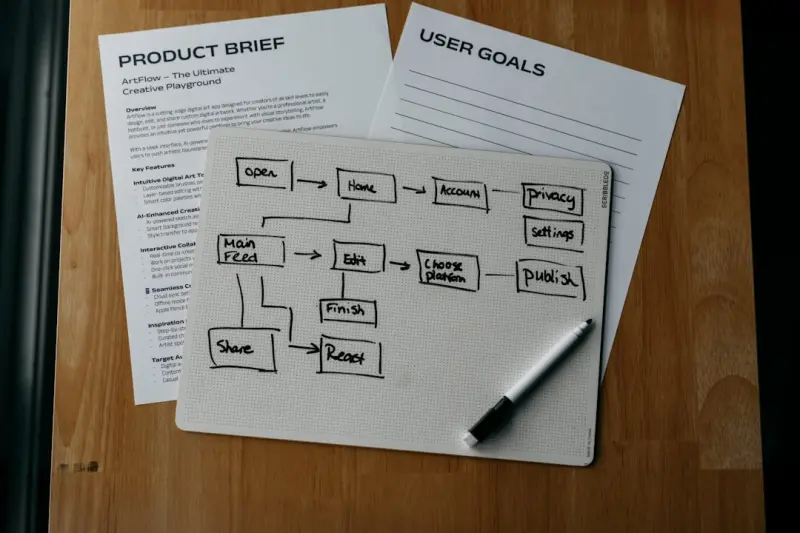
From Idea to Impact: A Blueprint for Scalable Content Strategy in SaaS
A practical, data‑driven blueprint helps SaaS teams turn fragmented content into a predictable gro... Read More

Agile Content Strategy: Turning Real‑Time Signals Into a Living Editorial Plan
Learn the step‑by‑step framework for turning live data into a flexible editorial plan that adapt... Read More
Top Posts

Capture the ‘Near Me’ Boom: Hyperlocal SEO Strategies for Small Businesses
Learn how to dominate “near me” queries with geo‑fencing, neighborhood content hubs, and AI‑powered local SERPs, turning mobile searches into real‑wor...Read More

The Next Wave of Content: From Conversational AI to Visual Search
Miranda Murphy explores the freshest content currents—conversational AI, visual search, and decentralized platforms—offering actionable insights to futureâ€...Read More
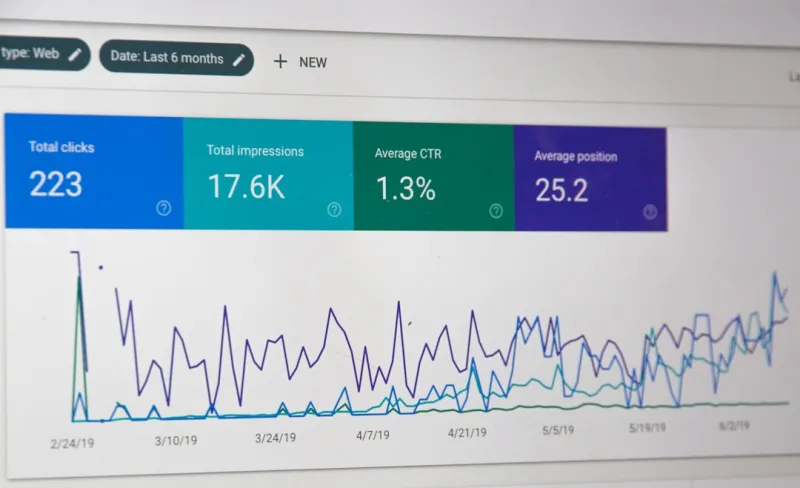
Revolutionizing Social Media Strategy: How SEO and Content Marketing Converge
A well-planned social media strategy paired with a robust SEO approach and high-quality content marketing is essential for driving online success. Learn how to ...Read More

From Pull Requests to PageRank: Harnessing Open‑Source Contributions for Link Building
Learn how to turn every code contribution, documentation update, and open‑source partnership into a powerful backlink, boosting SEO authority and driving sust...Read More
0 Comments
Post Comment
You will need to Login or Register to comment on this post!