

Why “Near Me” Searches Are the New Front Door
Every day, millions of mobile users type “near me” into Google, turning a simple phrase into a virtual front door for brick‑and‑mortar shops. Local intent has exploded because smartphones know our exact location, and Google rewards businesses that meet that hyper‑specific demand with prime real‑estate on the SERP. For small‑business owners, understanding that a “near me” query is a purchase‑ready signal is the first step toward converting foot traffic into digital leads.
Geo‑Fencing and Real‑Time Signals
Geo‑fencing creates a virtual perimeter around a physical address, allowing marketers to push timely offers the moment a potential customer steps inside the radius. When combined with real‑time search data, businesses can serve a “10 % off today only” coupon that appears directly in the local pack, increasing click‑through rates dramatically. The key is to integrate these signals with Google My Business updates, ensuring that the most current promotion is always visible to the searching public.
Micro‑Community Content Hubs
Instead of targeting broad city‑wide keywords, hyperlocal businesses thrive by building content hubs that speak directly to neighborhood identities—think “Best Coffee in Oakwood” or “Family‑Friendly Parks in Riverbend.” These micro‑pages act as authority signals for Google, showing that the business genuinely serves a specific community. By weaving in local landmarks, events, and even slang, you create an authentic voice that resonates with both users and search algorithms. For deeper on‑page strategy, see Beyond Keywords for tips on crafting experiences that Google loves.
Mobile‑First Schema for Hyperlocal Visibility
Schema markup has moved beyond basic organization‑type tags; the newest extensions let you declare opening hours, service areas, and even price ranges directly in the code. When Google crawls this structured data, it can instantly surface your business in the “Local Pack” and “Map” results, especially on mobile devices where space is premium. Implementing LocalBusiness and GeoCoordinates schema ensures that your storefront appears in the right context, reducing reliance on vague, competition‑heavy keywords.
Leveraging Reviews Beyond Stars
Customer reviews are no longer just a rating; they are a rich source of localized language that Google mines for relevance. Encourage patrons to mention neighborhood landmarks, street names, or even the name of a nearby transit line in their feedback. This user‑generated content acts as natural, geo‑specific copy that boosts relevance for “near me” queries. Pair this approach with a proactive response strategy, turning each review into a micro‑conversation that signals engagement to search engines.
Building Local Link Equity With Neighborhood Partnerships
Backlinks from nearby institutions—schools, chambers of commerce, local newspapers—carry disproportionate weight for hyperlocal rankings. Reach out to these partners for collaborative content, such as “Top 5 Weekend Activities in Downtown” round‑ups, and embed a link back to your site within the article. This not only diversifies your link profile but also signals to Google that you are a trusted part of the community ecosystem. For a deeper dive into link efficiency, explore Crawl Budget Mastery and learn how to allocate crawl resources wisely.
Measuring Success With Hyperlocal Metrics
Traditional SEO metrics like organic traffic and domain authority only tell part of the story; hyperlocal performance requires granular data. Track metrics such as “click‑through rate from the local pack,” “map direction requests,” and “store‑visit conversions” to gauge true impact. Use Google Analytics’ “Store Visits” feature alongside Google Search Console’s “Performance” report filtered by “near me” queries. A quick
- Local Pack CTR
- Direction Clicks
- Foot‑Traffic Conversions
dashboard provides a clear picture of how your hyperlocal tactics are moving the needle.
Future Trends: AI‑Powered Hyperlocal SERPs
Artificial intelligence is reshaping the way Google interprets local intent, with AI models now able to infer micro‑location preferences from browsing behavior and even weather patterns. In the near future, SERPs will display dynamic, AI‑generated snippets that answer “what’s open now near me?” with real‑time inventory data. Preparing for this shift means feeding your Google My Business profile with up‑to‑date product feeds and integrating AI‑driven chatbots that can handle instant inquiries, positioning your business at the forefront of the next wave of hyperlocal search.

Related Posts
Hyperlocal Voice Search: The Next Frontier for SaaS Local SEO
Discover why hyperlocal voice search is a game‑changer for SaaS local SEO and get a step‑by‑st... Read More
How to Turn Your Neighborhood Into a SEO Powerhouse for SaaS
Discover a practical local SEO playbook that leverages office locations, community events, and hyper... Read More

Hyper‑Local SEO: Turning Your Neighborhood Into a Lead Generation Machine
Hyper‑local SEO isn’t just about listings; it’s a strategic mindset that transforms local sear... Read More
Top Posts

Mobile SEO: The Key to Unlocking Your Online Potential
Mobile SEO is no longer a nicety, but a necessity. Learn how to optimize your website and content for mobile search to improve your online presence and drive mo...Read More

Empathy‑First Content Strategy: Turning Listening Into Loyal Audiences
Learn why listening to your audience’s emotions is the key to crafting content that converts, engages, and builds lasting brand loyalty....Read More

LinkedIn SEO Mastery: Turn Your Profile into a Search Magnet
Discover proven LinkedIn SEO strategies—keyword‑rich headlines, featured assets, content clusters, and social proof—to elevate your professional profile i...Read More
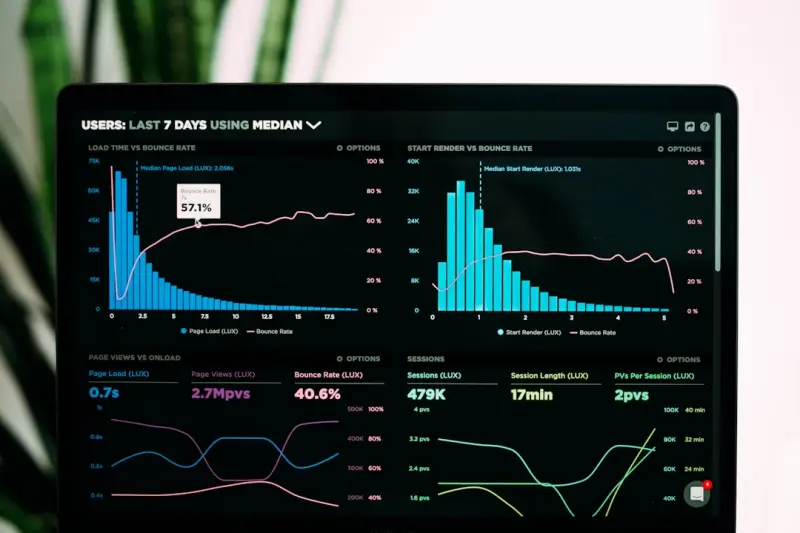
The AI‑Human Hybrid: Boosting SaaS Content Creation with Speed and Soul
Learn how to combine AI‑generated research and outlines with human strategic framing to create faster, more authentic SaaS content that drives leads and reven...Read More
0 Comments
Post Comment
You will need to Login or Register to comment on this post!