

When I first started juggling blog posts, whitepapers, and demo scripts for a fast‑growing SaaS, the biggest hurdle wasn’t the lack of ideas—it was the friction between speed and soul. Teams could churn out a dozen pieces in a week, but the voice felt generic, the insights shallow, and the audience’s trust eroded faster than the content could be consumed. The paradox is simple: the tools that make us faster also make us more interchangeable.
Enter the AI‑Human Hybrid Model
What if you could keep the relentless velocity of AI while preserving the nuanced judgment only a human can provide? The answer lies in a structured partnership where artificial intelligence handles the grunt work—research aggregation, keyword mapping, first‑draft outlines—while humans step in for strategic framing, storytelling, and brand‑specific tone.
Think of it as a relay race. The AI sprint‑starts each piece with a data‑rich foundation, then hands the baton to a content strategist who injects personality, context, and the “why it matters” that resonates with decision‑makers. This model doesn’t replace writers; it amplifies them.
Why Traditional Workflows Fail at Scale
Most SaaS teams still rely on a linear pipeline: brief → research → write → edit → publish. At first glance, it looks efficient, but in practice it creates bottlenecks at every hand‑off:
- Research overload: Gathering the latest industry data can take hours, and junior writers often miss the subtle trends that senior strategists spot.
- Draft fatigue: Drafting from scratch forces writers to re‑invent the wheel for each piece, leading to duplicated effort.
- Feedback loops: Multiple rounds of edits can stretch a two‑day turnaround into a week, eroding timeliness.
The result? Content that’s either rushed (and sloppy) or polished (but late). In a SaaS world where buyer journeys are now measured in days rather than months, you simply can’t afford either.
Building the Hybrid Workflow
Here’s a step‑by‑step framework that has helped my team cut production time by 40 % while improving engagement metrics across the board.
1. AI‑Powered Ideation Engine
Start with a prompt‑driven AI that scans your CRM, support tickets, and competitor blogs. It surfaces:
- High‑frequency pain points that prospects are voicing.
- Emerging terminology that’s gaining traction on industry forums.
- Performance data from past content (CTR, dwell time, conversion).
The output is a ranked list of topics, each tagged with a suggested intent (awareness, consideration, decision) and a quick content angle that aligns with your product roadmap.
2. Human Curation & Strategic Mapping
Assign a senior content strategist to review the AI list. Their job is to:
- Validate relevance—some AI‑suggested topics may be trending but not align with your solution’s value prop.
- Map each topic to a buyer persona and funnel stage, ensuring a balanced content mix.
- Define the unique story hook that will differentiate your piece from the sea of generic articles.
At this stage, the strategist also decides the content format—blog, case study, video script, or interactive calculator—based on the chosen intent.
3. Structured First Drafts with AI Assistants
Now the AI re‑enters, this time as a co‑author. Using the curated outline, it drafts each section, automatically inserting:
- Statistical citations from reputable sources (Gartner, Forrester, industry surveys).
- SEO‑friendly subheadings that follow best practices without sounding forced.
- Suggested call‑to‑actions that align with the funnel stage.
Because the AI is working from a precise brief, the draft is already 70‑80 % complete, leaving the human writer to focus on tone, anecdotes, and brand‑specific terminology.
4. Real‑Time Collaboration & Review
Leverage cloud‑based collaborative editors that support comment threading and version control. Instead of sending a static document back and forth, the writer and editor work side‑by‑side, making adjustments in real time. This reduces the typical two‑to‑three‑round edit cycle to a single, focused pass.
5. Amplification via Micro‑Influencers
Once the piece is polished, think beyond the blog’s own audience. Leveraging micro‑influencers for content amplification allows you to tap into niche communities that already trust the voices you’re partnering with. Because the content is already high‑quality, the influencer’s endorsement feels genuine rather than a forced ad.
6. Distribution Through Headless Architecture
Speed matters not just in creation but also in delivery. A headless architecture for fast content delivery ensures your pages load instantly, which boosts both SEO and reader satisfaction. Decoupling the front‑end from the CMS also means you can push the same content to multiple channels (web, mobile app, email) without rewriting.
7. Test, Learn, and Iterate with Conversational Touchpoints
Finally, use a low‑commitment channel to gauge audience reaction before a full rollout. Conversational newsletters as a testing ground for tone let you experiment with humor, brevity, and storytelling snippets. Open rates, reply ratios, and click‑throughs give you immediate data to refine the piece before it goes live on the main site.
Measuring Success Beyond Vanity Metrics
Traditional content teams obsess over page views and dwell time, but the hybrid model shines when you track outcomes that matter to SaaS growth:
- Lead‑to‑MQL conversion rate: How many readers move from a content touchpoint into a qualified lead?
- Pipeline velocity impact: Are deals closing faster when influenced by the new content?
- Brand sentiment lift: Measured through Net Promoter Score (NPS) surveys post‑content consumption.
By aligning the AI‑human workflow with these business KPIs, you prove the ROI of every hour saved in drafting and every extra minute spent on strategic storytelling.
Common Pitfalls and How to Avoid Them
Implementing a hybrid approach isn’t a plug‑and‑play solution. Here are the traps I’ve seen teams fall into, and quick fixes:
- Over‑reliance on AI for tone: If the AI drafts the entire piece, you risk a bland, “one‑size‑fits‑all” voice. Always schedule a dedicated “human tone audit” before publishing.
- Neglecting data provenance: AI can hallucinate statistics. Cross‑check every figure against a trusted source.
- Skipping the influencer vetting step: Not every micro‑influencer aligns with your brand values. Use a short questionnaire to assess fit.
- Ignoring performance feedback loops: Treat each piece as an experiment. Capture metrics early and adjust future prompts accordingly.
Future‑Proofing Your Content Machine
AI models will become more sophisticated, but the core challenge—making complex SaaS solutions feel human—won’t change. Your competitive edge will come from how seamlessly you blend machine efficiency with authentic storytelling.
Invest in training your writers to become “prompt engineers,” capable of coaxing the right data from AI without losing the brand’s nuance. Simultaneously, build a culture where data‑driven insights inform creative decisions, not the other way around.
When the AI‑human hybrid is baked into your DNA, you’ll find that content creation transforms from a dreaded bottleneck into a strategic engine—one that fuels lead generation, nurtures relationships, and ultimately drives revenue.

Related Posts

Why Sustainable Content Creation Beats the Hype of Quick Wins
In a world obsessed with rapid viral hits, I argue for a sustainable, thoughtful content creation sy... Read More

Collaborative Content Workflows: The Missing Engine Behind SaaS Growth
A collaborative content workflow unites marketers, product, design, and sales, reducing bottlenecks,... Read More

Reinventing Content Creation: A Knowledge‑First Workflow for Sustainable Impact
Learn how a personal knowledge repository, AI prompt templates, and strategic tagging can transform ... Read More
Top Posts

The Secret Sauce Behind High‑Converting SaaS Pricing Pages
Discover how to transform your SaaS pricing page into a search‑friendly, high‑converting asset with actionable SEO steps, structured data, internal linking,...Read More
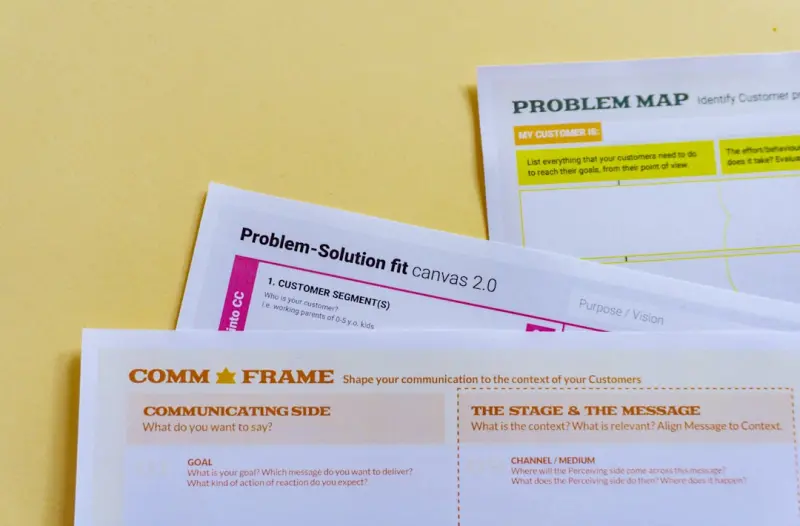
Crafting a Cohesive Storytelling Framework for Multi‑Platform Social Media Success
Discover a step‑by‑step framework to turn fragmented posts into a unified brand story that resonates across every social platform, boosting loyalty and resu...Read More

Zero‑Click SEO: Turning Instant Answers into SaaS Leads
Zero‑click SEO is reshaping how SaaS businesses attract prospects. This guide shows how to craft snippet‑ready content, leverage schema markup, and measure ...Read More

Zero‑Click Mastery: How SaaS Brands Can Capture the Spotlight Without a Click
Zero‑click results now dominate the SERP, offering SaaS marketers a chance to be the answer before a user even clicks. This guide walks you through auditing c...Read More
0 Comments
Post Comment
You will need to Login or Register to comment on this post!