

Why Local SEO Matters for SaaS, Even When You’re Not a Brick‑and‑Mortar
When most people hear “local SEO,” they picture a coffee shop or a hair salon. For SaaS founders, the instinct is to focus on global search terms, paid ads, and content that reaches the entire planet. But the reality is that even cloud‑based businesses have physical footprints—offices, data centers, events, and most importantly, relationships with local communities. Those relationships are a goldmine of hyper‑relevant signals that can push your brand to the top of “near me” queries, improve trust, and drive qualified leads that are already in your geographic orbit.
In this post, I’ll walk you through a local‑first SEO playbook that treats neighborhoods like micro‑markets, turns community involvement into ranking power, and ties it all back to the broader SaaS funnel. By the end, you’ll have a clear roadmap to convert the people who pass by your office building, attend your local meetups, or even just live in the same zip code into loyal customers.
Mapping Your Physical Footprint—And Your Digital Shadow
The first step is to audit everything that ties your SaaS brand to a physical location. Start with the obvious:
- Corporate headquarters and satellite offices.
- Data centers or co‑working spaces you lease.
- Event venues where you host workshops, webinars, or user groups.
But don’t stop there. Your team members are ambassadors for your brand, and each of their LinkedIn profiles, personal blogs, and even local volunteer activities contribute to a collective “digital shadow.” Capture these assets in a spreadsheet, noting address, contact info, and any existing online listings.
Once you have a master list, claim and verify every Google Business Profile (formerly Google My Business) you own. The verification process may feel like a bureaucratic hurdle, but it’s the cornerstone of local ranking. Use consistent NAP (Name, Address, Phone) across all listings and ensure your website’s footer mirrors this information verbatim. Consistency is the signal search engines trust when deciding whether to surface your business for local queries.
Community Content That Ranks
Local relevance isn’t just about listings; it’s also about the content that lives on your site. Think of each neighborhood as a mini‑topic cluster. Create dedicated landing pages for each office location, and infuse them with hyper‑local language:
- Neighborhood name and landmarks (“Just steps from the Riverfront Park”).
- Local industry statistics (“80% of fintech startups in downtown X choose our platform”).
- Testimonials from nearby clients.
These pages should be actionable, not just a static address block. Offer a downloadable guide, a free trial link, or a calendar invite for a local event. The goal is to turn a casual search (“SaaS accounting software near me”) into a conversion pathway that feels personal.
To boost the technical side of these pages, embed structured data that tells Google you’re a local business, provides opening hours, and even highlights recent reviews. This isn’t the same as generic schema; it’s a hyper‑targeted implementation that signals “we’re real, we’re nearby, and we’re relevant.”
Micro‑Events and Hyperlocal Signals
Events are the lifeblood of local engagement. Whether you’re hosting a lunch‑and‑learn, a hackathon in a coworking space, or sponsoring a charity run, each activity generates a burst of local relevance. Here’s how to extract SEO value:
- Pre‑event promotion. Publish a dedicated event page on your site, optimized for “SaaS workshop in [City]” and “Free SaaS demo near [Neighborhood].” Include an embedded Google Map and a clear call‑to‑action.
- Local press outreach. Send a concise press release to community newspapers, city blogs, and local influencers. Ask them to embed a link back to your event page.
- Live coverage. Tweet from the venue with a geotag, post Instagram Stories, and encourage attendees to share using a custom hashtag. Each of these signals creates a “real‑time” citation that search engines love.
- Post‑event roundup. Write a blog recap that features photos, speaker quotes, and a list of attendees (with permission). This content can rank for “SaaS event recap [City]” and continue to attract traffic months after the event.
When you repeat this cycle quarterly, you’ll build a library of hyper‑local assets that act as evergreen ranking signals.
Leveraging Local Citations Beyond Traditional Directories
Most SEO guides focus on the big directories—Yelp, Bing Places, Apple Maps. While those are still important, there’s a whole ecosystem of niche local citations that can give you a competitive edge:
- Industry‑specific chambers of commerce (e.g., “Tech Hub of [City]”).
- University partner pages if you sponsor research or student projects.
- Local SaaS meetup groups and coworking directories.
- Municipal procurement sites where you’ve been a vendor.
Each citation should use the exact same NAP and include a link back to the most relevant landing page (often the city‑specific page you created). Even a handful of these micro‑citations can outweigh a large number of generic listings because they carry higher topical relevance.
The Role of Structured Data in Neighborhood Authority
Beyond the basic LocalBusiness schema, you can layer additional markup to convey depth:
Serviceschema to list the specific SaaS modules you offer to local businesses.Eventschema for each community gathering you host.Reviewschema that pulls in star ratings from Google and Trustpilot.
When you combine these snippets, Google can generate rich results that show up directly in the SERP—think “Featured Snippet” boxes for “SaaS demo near me” or “Upcoming SaaS events in [City].” These rich results are essentially a form of zero‑click SEO, giving you visibility even before a user clicks through.
Measuring Impact and Iterating
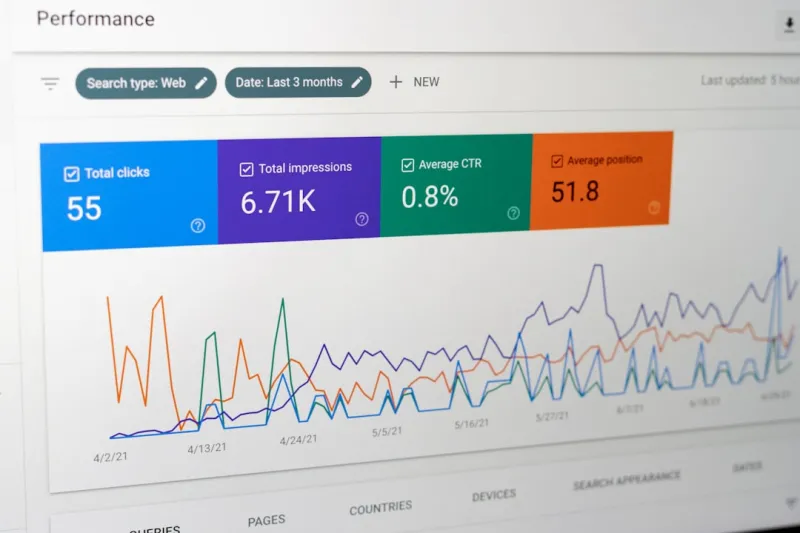
Local SEO is not a set‑and‑forget tactic; it’s a continuous feedback loop. Use the following KPIs to gauge success:
- Google Business Insights. Track searches, views, and direction requests for each location.
- Organic traffic by city. Set up a custom segment in Google Analytics to monitor sessions from the zip codes you target.
- Local conversion rate. Measure trial sign‑ups or demo requests that originate from a location‑specific landing page.
- Citation health. Use tools like BrightLocal or Yext to audit NAP consistency quarterly.
Every quarter, pull these metrics into a simple dashboard, look for dips, and adjust. Maybe a new coworking space opened—add it to your citation list. Maybe a local competitor launched a new feature—update your landing page copy to address the new market need.
Putting It All Together: A 12‑Month Local SEO Sprint
Here’s a high‑level timeline you can copy‑paste into your project plan:
| Month | Focus | Key Actions |
|---|---|---|
| 1‑2 | Foundation | Audit physical assets, claim Google Business profiles, create city landing pages, implement consistent NAP. |
| 3‑4 | Content & Schema | Publish hyper‑local blogs, embed LocalBusiness and Service schema, start collecting reviews. |
| 5‑6 | Community Events | Host first local meetup, promote with event pages, secure at least three niche citations. |
| 7‑8 | Amplification | Leverage local press, cross‑post on community forums, push social media with geotags. |
| 9‑10 | Optimization | Analyze KPI dashboard, refine NAP, refresh under‑performing pages, add new schema types. |
| 11‑12 | Scale | Roll out to a second city, repeat the cycle, begin testing local paid search to complement organic gains. |
By the end of the year, you should see a measurable uptick in organic sessions from your target neighborhoods, higher conversion rates on localized landing pages, and a stronger brand perception as a “local” authority—even if your product is delivered entirely in the cloud.
Final Thoughts: Community Is the New Keyword
In the era of AI‑generated content and massive SERP features, the differentiator that can’t be automated is genuine, place‑based relevance. When you invest in the people, places, and events that surround your SaaS business, you create a network of trust signals that search engines reward handsomely. The result is a sustainable flow of hyper‑qualified leads that feel like they’re doing business with a neighbor, not a faceless corporation.
Start small—pick one office, one local event, one set of citations—and watch the ripple effect expand. Before long, you’ll discover that “local SEO” isn’t a side project; it’s a core growth engine that ties community goodwill directly to your bottom line.

Related Posts

Hyperlocal Authority: How B2B SaaS Can Win Nearby Search
A deep dive into building hyperlocal content hubs, mastering map pack optimization, and leveraging c... Read More

Local SEO in 2024: Jody Henderson’s Playbook for Neighborhood Dominance
Jody Henderson shares a 2024 local SEO playbook—optimizing Google Business Profiles, crafting hype... Read More

Turning Neighborhood Conversations into Local SEO Gold
Discover how small businesses can capture hyper‑relevant traffic by optimizing for local voice que... Read More
Top Posts

Turning Social Media into a Predictable Revenue Engine for SaaS
Discover a data‑first approach to social media that maps every interaction to the SaaS funnel, turning likes and comments into qualified leads and predictable...Read More

Decoding Google’s Passage Indexing: Turning Sub‑Sections into SERP Gold
Google’s passage indexing now ranks individual content blocks as standalone results. Master the technique with expert insights, practical audits, and strategi...Read More

Why Visual Repurposing Is the Secret Weapon for Modern Content Creators
Learn the step‑by‑step process to transform written content into eye‑catching visuals, distribute them strategically, and measure real ROI for lasting bra...Read More
The Convergence of SEO and Content Marketing: A New Era for Online Success
The lines between SEO and content marketing are blurring. Learn how to combine these powerful disciplines and drive online success with a converged strategy....Read More
0 Comments
Post Comment
You will need to Login or Register to comment on this post!