

Why Local Voice Search Is the Untapped Frontier for Small Businesses
When a customer asks their phone, “Where can I find the best coffee near me?” they are instantly triggering a local voice query that bypasses traditional keyword research and dives straight into intent. Unlike typed searches, voice queries are conversational, often longer, and rely heavily on natural language patterns that Google’s algorithm interprets with a blend of AI and local data. This shift means that businesses that optimize for voice can capture hyper‑relevant traffic at the exact moment a purchase decision is forming, turning casual curiosity into foot‑traffic and sales.
Mapping Conversational Keywords to Real‑World Footfalls
The first step is to audit the questions your community actually asks, not the generic terms you assume they use. Think about the specific problems, local landmarks, and everyday phrases that pepper daily conversation—“Is the bakery open after the market?” or “Where does the pet store park for dogs?” By compiling these natural language snippets, you create a conversation‑first keyword map that aligns perfectly with voice assistants’ parsing logic. Tools like AnswerThePublic and Google’s People Also Ask can surface these phrases, but the most powerful insights still come from listening to customers in‑person, on social media, and through local forums.
Structuring Your Site for Voice‑Ready Answers
Once you have a list of conversational queries, restructure your content to deliver concise, direct answers that voice assistants love to read aloud. Aim for a sentence‑length response of 30‑40 words, positioned near the top of the page, and use schema markup (FAQ, LocalBusiness, and Speakable) to flag that content to Google. For example, a page titled “Hours & Services – Main Street Bakery” should open with a clear statement: “Main Street Bakery is open Monday‑Saturday from 7 am to 6 pm, offering freshly baked pastries, custom cakes, and free Wi‑Fi.” This format not only satisfies voice queries but also improves snippet visibility for typed searches.
Leveraging Community Partnerships for Authority Signals
Local voice search heavily weighs trust and authority, which can be amplified through strategic partnerships with nearby organizations. By co‑hosting events, sponsoring community initiatives, or simply featuring a local charity on your website, you generate authentic citations that Google interprets as credibility boosters. These collaborations often result in backlinks from reputable local news sites, directories, and even municipal pages—each acting as a vote of confidence that reinforces your voice search rankings. The key is to document these relationships with dedicated landing pages that include NAP (Name, Address, Phone) consistency and schema markup.
Optimizing Google Business Profile for Voice Queries
The Google Business Profile (GBP) remains the single most influential asset for local voice visibility, yet many businesses still treat it as a static listing. To truly harness voice, you must regularly update your GBP with fresh Q&A entries, detailed service descriptions, and high‑resolution photos that reflect the latest offerings. Additionally, encourage satisfied customers to leave reviews that mention specific services or products; Google’s AI parses these narratives to answer voice questions like “Which plumber near me has the best rating for emergency repairs?” By treating your GBP as a dynamic, conversation‑driven hub, you align it with the way voice assistants retrieve and relay information.
Embedding Structured Data for Speakable Content
Google’s semantic clustering research highlights that structured data can dramatically improve content discoverability, especially for voice. Implement the “Speakable” schema on blog posts, FAQs, and product pages where you anticipate voice interactions. This markup signals to Google which sections are optimal for audio playback, increasing the likelihood that your content will be selected for featured snippets in voice results. Remember to keep the speakable text concise, factual, and free of jargon to maximize comprehension by both the algorithm and the end user.
Measuring Voice Impact with Local Analytics
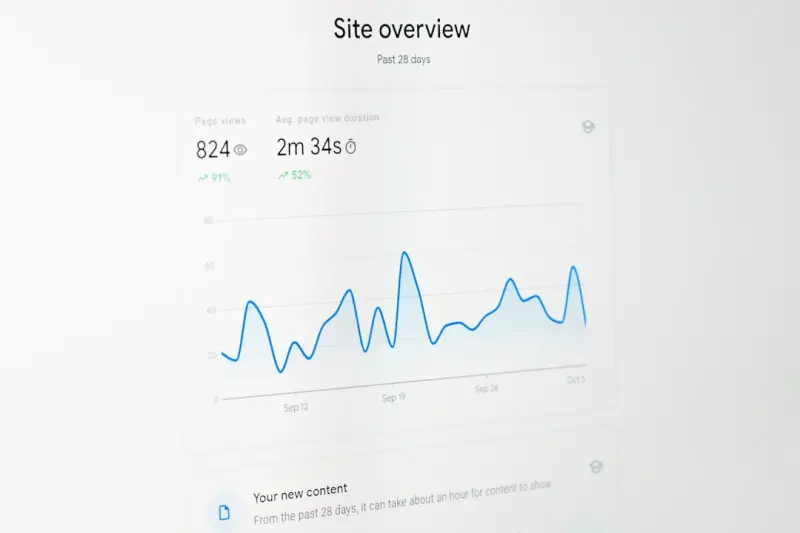
Traditional SEO metrics like organic traffic and keyword rankings only tell part of the story; voice search demands a nuanced measurement approach. Set up custom Google Analytics events to track clicks from “Call” buttons, “Directions” requests, and “Visit Website” actions that originate from mobile devices—a strong indicator of voice‑driven intent. Pair this data with Google Search Console’s “Performance” report filtered by “Mobile” and “Voice Search” queries to identify which conversational keywords are delivering the highest conversion rates. Over time, this insight lets you refine your voice‑first content strategy for maximum ROI.
Future‑Proofing with Emerging Voice Technologies
As smart speakers and AI assistants become ubiquitous, the boundary between online and offline discovery continues to blur. Preparing for this evolution means investing in omnichannel consistency—ensuring your brand voice, messaging, and NAP details remain identical across your website, GBP, social profiles, and emerging platforms like Amazon Alexa Skills or Google Assistant Actions. Additionally, explore the potential of voice‑activated loyalty programs or reservation systems that let customers complete transactions without ever touching a screen. By anticipating these trends now, you position your business as a leader in the voice‑first landscape, capturing early adopters before the competition catches up.
Action Plan: From Insight to Implementation
Start by compiling a list of at least 30 local conversational queries, then map each to a dedicated, speakable page on your site. Next, audit and enrich your Google Business Profile with up‑to‑date Q&A and visual content. Finally, forge at least two community partnerships this quarter and embed the appropriate schema markup to signal trust to voice assistants. Execute these steps systematically, monitor the analytics, and iterate based on performance—your local voice search presence will grow, driving more customers through your door and solidifying your reputation as the neighborhood’s go‑to expert.

Related Posts

Turning Community Events into a Local SEO Powerhouse
Learn to transform community gatherings into powerful SEO assets with event schema, local citations,... Read More

Winning the Neighborhood: Harnessing Hyperlocal Voice Search for Small Businesses
Learn why voice‑driven, hyperlocal SEO is the game‑changer for local shops, and get step‑by‑... Read More

Neighborhood Narratives: Turning Local SEO Into Community Storytelling
A fresh take on local SEO, this guide shows marketers how to move beyond basic NAP listings and buil... Read More
Top Posts

Why Augmented Reality is the Next Playground Revolution
Augmented reality is reshaping the toy industry, merging physical play with digital experiences. This post examines market trends, design challenges, monetizati...Read More

AI‑Powered Modular Content: Building Reusable Assets for Omnichannel Success
Learn why modular content, powered by AI, is the future of marketing—create reusable micro‑assets, personalize at scale, and keep your brand agile across ev...Read More

Beyond Text: How Immersive, AI‑Powered Content Is Redefining SaaS Marketing
In this deep dive, Rose DesRochers reveals why AI‑powered interactive stories, immersive AR/VR experiences, and community‑as‑code are the next big content...Read More
Predictive SEO: Anticipating Search Trends Before They Happen
A deep dive into predictive SEO, showing how B2B SaaS marketers can harness data, AI, and trend analysis to forecast search demand, shape content strategy, and ...Read More
0 Comments
Post Comment
You will need to Login or Register to comment on this post!