

Why “Neighborhood Narratives” Are the Future of Local SEO
When I first started consulting for brick‑and‑mortar brands, the local search checklist felt like a static to‑do list: claim the Google Business Profile, sprinkle NAP (Name, Address, Phone) everywhere, and chase a handful of neighborhood‑specific keywords. It worked—enough to get a few clicks from “near me” searches. But as the SERP evolved, those tactics have turned into a baseline expectation rather than a competitive edge.
Enter Neighborhood Narratives. It’s a mindset shift from “optimizing for a zip code” to “telling the story of a community.” By weaving hyper‑local stories, user‑generated moments, and data‑driven micro‑pages into your SEO strategy, you create a living, breathing map of relevance that Google’s algorithms love and, more importantly, that real people trust.
The Core Pillars of a Neighborhood Narrative Strategy
- Micro‑Geography Mapping – Go beyond city and zip code. Identify districts, historic blocks, and even popular “third places” (cafés, parks, co‑working hubs) that define the daily flow of your target audience.
- Community‑Generated Content – Harness reviews, Instagram tags, and local event photos. Treat them as first‑hand accounts that add authenticity to your pages.
- Data‑Infused Storytelling – Pull in public datasets (crime stats, foot traffic, transit routes) to enrich your narratives with context that helps users decide quickly.
- Localized Schema Layers – While the Schema Secrets guide explains the mechanics, think of schema as the grammar that lets search engines read your neighborhood story fluently.
Step 1: Build a Micro‑Geography Blueprint
Start by mapping the real‑world geography your customers inhabit. Use tools like Google My Business Insights, third‑party foot‑traffic APIs, or even a simple spreadsheet to list neighborhoods, landmarks, and transit hubs. For each micro‑area, create a dedicated landing page that answers the “what’s happening here?” question.
For example, a chain of boutique gyms could have pages titled “Morning HIIT Sessions in The Arts District” or “Sunset Yoga Near Riverfront Park.” Each page should feature:
- A localized headline that mentions the specific area.
- A brief, 150‑word story that ties the service to a local event or tradition.
- Embedded Google Maps with custom pins for each location.
- Real‑time data like today’s weather or upcoming community events.
These micro‑pages become “semantic islands” that Google can index individually, dramatically expanding your long‑tail keyword footprint without cannibalizing the main site.
Step 2: Turn Customers into Storytellers
Traditional review management still matters, but it’s time to level up. Invite customers to share short anecdotes about how they use your product in the neighborhood context. A coffee shop could ask patrons to post a photo of their latte on the patio with a caption like “My favorite spot to watch the sunrise over Main Street.”
Feature these snippets on your micro‑pages and tag them with UserGeneratedContent schema. Not only does this boost authenticity, it creates a feedback loop where Google sees fresh, location‑specific language and users get social proof that resonates with their daily routines.
Step 3: Enrich with Public Data (and Keep It Fresh)
Public datasets are an untapped goldmine for local relevance. Think of a real‑estate agency that overlays median home prices, school ratings, and transit times onto a neighborhood page. A dental practice could embed a live feed of nearby park activity, indicating why a post‑appointment walk is convenient.
The key is to present data in a digestible format—infographics, interactive sliders, or short video explainers. Google’s Predictive SEO methodology suggests that pages that surface timely, actionable data receive higher dwell time, a strong ranking signal for local intent queries.
Step 4: Leverage Hyper‑Localized Link Building
Link building hasn’t died; it’s simply more nuanced in the local arena. Instead of chasing generic industry directories, pursue partnerships with:
- Neighborhood blogs and newsletters.
- Local event calendars.
- Community organizations (chambers of commerce, nonprofit groups).
When you secure a backlink from a hyper‑local source, you’re essentially getting a vote of confidence from the community itself. The Link Building as a Strategic Growth Engine post outlines the data‑driven approach—track referral traffic, local SERP rankings, and conversion lift to quantify impact.
Step 5: Optimize for “Near Me” and Voice Queries
While “near me” searches have become ubiquitous, the nuance lies in the intent behind them. A query like “best brunch near me” signals a desire for immediate, experience‑driven information. Align your micro‑pages with these intents by:
- Adding concise, answer‑focused FAQ blocks that directly answer common local questions.
- Including structured data for opening hours, reservation links, and price range.
- Ensuring your content reads naturally for voice assistants—use conversational phrasing and answer questions within 30‑second audio snippets.
Voice search favors content that can be read aloud fluently, so keep sentences short and embed local landmarks organically.
Measuring Success: The Local Narrative Dashboard
Traditional SEO metrics—organic traffic, keyword rankings—still matter, but they don’t capture the full picture of a neighborhood story’s health. Build a dashboard that tracks:
- Micro‑page impressions: How many times each neighborhood page appears in SERPs.
- Engagement depth: Average scroll depth and time on page, especially on data‑rich sections.
- User‑generated content velocity: Frequency of new reviews, photos, or social tags added.
- Local conversion rate: Click‑throughs from map packs to your booking or contact forms.
- Referral authority: Number and quality of backlinks from local sites.
When you see spikes in these metrics after publishing a new community story, you’ve validated the power of narrative over pure keyword stuffing.
Scaling the Narrative Across Multiple Locations
For brands with dozens of locations, the fear is that creating individual stories feels unsustainable. The solution is a template‑first, customize‑later workflow:
- Develop a master narrative framework that includes placeholders for local landmarks, data points, and user quotes.
- Assign a regional content champion to source micro‑content (photos, anecdotes) for each area.
- Use a content management system that supports dynamic field injection—think of each location as a “record” that populates the template automatically.
- Schedule quarterly audits to refresh data points and swap out stale user stories with fresh ones.
This approach ensures consistency while preserving the hyper‑local authenticity that search engines reward.
Common Pitfalls and How to Avoid Them
- Over‑optimizing with Exact‑Match Keywords: Google penalizes forced keyword density. Let the story dictate the language; sprinkle keywords naturally.
- Neglecting Mobile Experience: Local searches are predominantly mobile. Ensure all micro‑pages load under three seconds and are touch‑friendly.
- Ignoring Review Moderation: Negative feedback left unaddressed erodes trust. Respond promptly and turn criticism into an opportunity for a new narrative.
- Failing to Update Data: Stale statistics make you look out of touch. Set automated alerts for data source changes.
Future‑Proofing Your Local SEO with Emerging Trends
As AI-generated content becomes mainstream, the differentiator will be human‑centric storytelling. Machines can pull data, but only real community voices can convey the subtle vibe of a street corner or a neighborhood festival. Keep your strategy anchored in genuine local experiences, and you’ll stay ahead of the algorithmic curve.
Additionally, keep an eye on augmented reality (AR) integrations. Imagine a user scanning a QR code on a storefront and instantly seeing a curated AR overlay of nearby events, all powered by the same narrative data you’ve been publishing. That synergy will turn your local SEO from a search tactic into an immersive brand experience.
Wrap‑Up: From Checklist to Community
Local SEO is no longer a list of technical tasks; it’s a living dialogue with the neighborhoods you serve. By building Neighborhood Narratives, you transform static location pages into vibrant, data‑rich stories that both users and search engines adore. Start small—pick one micro‑geography, gather a handful of authentic voices, and watch the rankings climb. Then scale the approach, refine the data, and let your brand become the trusted storyteller of every corner you occupy.

Related Posts

Boosting Your Local SEO: Tips and Tricks for Small Businesses
Improve your local SEO with actionable tips and tricks to increase your online visibility, drive mor... Read More

Hyper-Local Domination: How to Crush Your Competition with Local SEO
Discover the power of hyper-local SEO and learn how to dominate your neighborhood with targeted stra... Read More
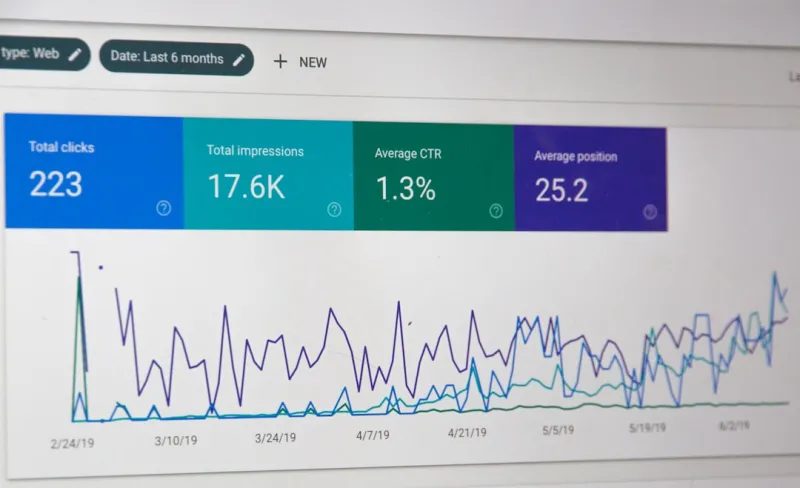
Local SEO in 2024: Dale Peterson’s Playbook for Neighborhood Dominance
Dale Peterson shares a 2024 local SEO playbook that blends hyperlocal content, mobile optimization, ... Read More
Top Posts

Intent‑First On‑Page SEO: Crafting Experiences That Rank and Convert
A deep dive into aligning search intent, semantic HTML, and user experience to create on‑page SEO that not only climbs the rankings but also drives qualified ...Read More

Revitalize Your Rankings: The Proven Strategy of Systematic Content Refresh
A step‑by‑step guide shows why updating evergreen content, aligning with user intent, and adding structured data can transform stale pages into ranking powe...Read More

The Magic of Collectible Toys: A Journey Through Time
Collectible toys have a way of tapping into our sense of nostalgia, evoking memories of childhood and simpler times. Explore the world of collectible toys and d...Read More
Mastering Mobile Micro‑Moments: A New Playbook for SEO Success
Learn to dominate mobile micro‑moments with performance tweaks, schema markup, voice search tactics, and personalized content that turn brief user intents int...Read More
0 Comments
Post Comment
You will need to Login or Register to comment on this post!