

Why Stale Pages Drain Your SEO Potential
Every website carries a hidden treasure trove of pages that once ranked well but have since been eclipsed by fresher content or shifting search intent. Ignoring these assets creates a silent drain on authority, because search engines still allocate crawl budget to evaluate them, yet they fail to deliver the traffic they once commanded. By breathing new life into these underperforming pieces, you can reclaim lost impressions without the overhead of building entirely new pages.
Mapping Your Content Landscape
The first step toward a successful refresh campaign is a comprehensive audit that catalogs every piece of evergreen content, its current rankings, traffic trends, and engagement metrics. Use a spreadsheet or SEO tool to pull URL, position, click‑through rate, and conversion data, then flag any page that has slipped more than ten spots or whose bounce rate has spiked. This data‑driven inventory becomes the foundation for all subsequent decisions, ensuring you focus on the pages with the highest upside.
Prioritizing Pages That Promise the Biggest ROI
Not every underperforming article deserves equal attention; you need a clear hierarchy based on potential impact. Prioritize pages that target high‑volume, commercial keywords, have strong backlink profiles, or align closely with your core products and services. Conversely, deprioritize niche topics with minimal search demand unless they serve a strategic brand purpose. By applying a simple scoring matrix—traffic potential, keyword difficulty, and backlink strength—you can allocate resources efficiently and avoid wasted effort.
Designing a Structured Refresh Workflow
Once you’ve identified priority pages, outline a repeatable workflow that assigns responsibilities, deadlines, and quality checkpoints. Begin with a content brief that re‑evaluates the target keyword, updates the headline for relevance, and adds any missing subtopics that competitors now cover. Follow with a rewrite phase that injects fresh data, modern examples, and a more engaging tone, then a technical pass to verify headings, internal links, and mobile friendliness. This systematic approach reduces ambiguity and keeps the entire team aligned.
Aligning Content With Evolving User Intent
Search intent is fluid; the questions users ask today differ from those asked six months ago. Leverage query‑level analytics and tools like Google Search Console to discover new question phrases or long‑tail variations that have risen in popularity. Incorporate these insights by expanding sections, adding FAQs, or creating visual assets that answer the intent more directly. When you match the page’s purpose to current user expectations, you signal relevance to both users and algorithms.
Boosting Authority with Complementary Tactics
While the core of a refresh is content improvement, pairing it with AI‑enhanced authority tactics can amplify results. For example, after updating a guide, reach out to industry influencers for a brief endorsement or ask them to share the refreshed version on their channels. Additionally, embed an interactive quiz related to the topic, encouraging user interaction and earning natural backlinks from sites that love to reference engaging tools.
Leveraging Structured Data for Rich Visibility
Search engines reward pages that provide clear, machine‑readable signals, and adding structured data is a low‑effort way to stand out. Implement FAQ schema for question‑rich sections, How‑To schema for step‑by‑step guides, and Review schema if you reference product evaluations. These enhancements often generate rich snippets, increasing click‑through rates and reinforcing topical authority. Remember to validate your markup with Google’s Rich Results Test to avoid errors that could negate the benefit.
Tracking Success and Iterating the Process
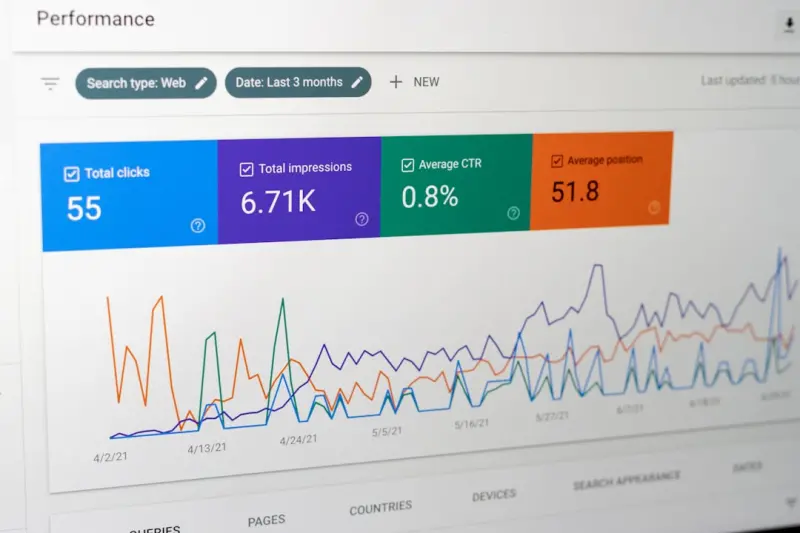
After publishing refreshed content, monitor key performance indicators for at least six weeks to capture ranking shifts, traffic lifts, and engagement improvements. Compare pre‑ and post‑refresh metrics, focusing on organic impressions, average position, and dwell time. If a page fails to meet expectations, revisit the brief—perhaps the keyword landscape has changed further, or additional internal links are needed. Treat each refresh as a mini‑experiment, documenting lessons learned to refine your workflow for the next batch of pages.
Turning Refreshes Into a Sustainable Growth Engine
When executed methodically, systematic content refreshes become a perpetual engine of SEO growth, delivering consistent traffic gains without the expense of new content creation. By continuously looping through audit, prioritize, update, and measure stages, you establish a resilient strategy that adapts to algorithm updates and shifting user behavior. Embrace this cyclical mindset, and watch stale pages transform into high‑performing assets that reinforce your site’s overall authority.

Related Posts

SEO for SaaS Knowledge Bases: A Tactical Playbook
Discover a fresh, tactical approach to optimizing SaaS knowledge bases for search engines—covering... Read More

Turning API Docs into SEO Powerhouses
Discover how to treat API documentation as a high‑intent SEO asset, using structured data, interna... Read More
Crawl Budget Mastery: The SaaS SEO Hygiene Routine You Can’t Ignore
A practical guide for SaaS marketers on managing crawl budget, streamlining site architecture, and t... Read More
Top Posts

The Power of Narrative Sequencing: Turning Content Into a Story Arc That Converts
Learn why aligning your content into a logical story sequence can double conversions, improve brand affinity, and future‑proof your marketing in an AI‑drive...Read More

Mobile SEO Mastery: Turning Finger‑Taps into SaaS Leads
Mobile SEO is now a strategic growth engine for B2B SaaS. This guide explores progressive web apps, deep linking, geo‑targeted mobile content, voice search, a...Read More

Adaptive Content Pipelines: Turning Static Assets into Living Experiences
Discover a step‑by‑step framework for creating adaptive content pipelines that use real‑time data, AI templates, and modular assets to deliver personalize...Read More

Beyond the Buzz: How Voice and AI Are Rewriting B2B Content Playbooks
A deep dive into the latest content trends—voice‑first experiences, AI‑generated micro‑content, community‑driven loops, and data‑rich storytellingâ€...Read More
0 Comments
Post Comment
You will need to Login or Register to comment on this post!