

Turning Social Media into a Predictable Revenue Engine for SaaS
When I first stepped into the world of B2B SaaS marketing, I thought of social media as a megaphone—loud, broad, and mostly about brand awareness. Fast‑forward a few product launches, and I’ve learned that the real power lies not in shouting louder, but in turning every social interaction into a data point that feeds a revenue‑focused funnel. In this post, I’m pulling back the curtain on the framework I use to make social media a predictable, measurable driver of growth, without sacrificing the authenticity that keeps our audience coming back.
Why “Social Media” Needs a Funnel Mindset
Most SaaS teams treat social platforms as a separate channel, reporting “impressions” and “engagement” as the only success metrics. That’s a limited view. Social media is the first touchpoint for many prospects, but it can also be the place where they move from curiosity to qualification, from trial to paid user. By mapping social activities onto the classic SaaS funnel—Awareness, Consideration, Decision, Retention—you create a clear line of sight from a tweet to a closed‑won deal.
Key insight: The funnel isn’t a rigid staircase; it’s a dynamic loop. Social signals—likes, comments, shares, direct messages—are early indicators of intent that you can nurture with the right content and cadence.
Step 1: Build a Social Data Repository
Before you can funnel social activity, you need to capture it. I start by setting up a unified dashboard that pulls data from LinkedIn, Twitter, Facebook, and niche platforms like Reddit or Product Hunt. Tools like Zapier or native APIs can push mentions, follows, and hashtag engagements into a centralized CRM field.
- Tag every interaction. Use custom fields such as “Source: LinkedIn,” “Interest: AI‑Automation,” or “Stage: Consideration.”
- Normalize the data. Convert raw metrics into a common language—e.g., “Social Lead Score” based on engagement frequency and sentiment.
- Automate enrichment. Enrich social leads with firmographic data from Clearbit or ZoomInfo to qualify them faster.
When I first built this repository, I was overwhelmed by the volume of data. That’s where Designing a Test‑Driven Content Strategy That Scales helped me: I adopted a test‑and‑learn cadence, focusing on the most promising social segments first and scaling proven tactics.
Step 2: Map Social Touchpoints to Funnel Stages
Every post, comment, or DM should have an intended funnel outcome:
- Awareness: Share thought‑leadership pieces, industry stats, and brand stories that spark curiosity.
- Consideration: Publish case studies, product demos, and comparison charts that address buyer pain points.
- Decision: Offer limited‑time trials, ROI calculators, or direct sales outreach via LinkedIn InMail.
- Retention: Highlight new feature releases, user‑generated content, and community events that deepen loyalty.
By assigning a funnel stage to each piece of content, you can track conversion paths. For example, a LinkedIn carousel that educates prospects about “AI‑driven workflow automation” can be linked to a downstream email nurture that pushes a free trial. The moment a prospect clicks the trial link, you have a clear attribution back to that social asset.
Step 3: Leverage Social Listening for Real‑Time Product Insight
Social listening isn’t just for crisis management. It’s a gold mine for product roadmapping. When users tweet about missing features or drop a comment on a Reddit thread, those whispers can be turned into actionable tickets.
To avoid the noise, I set up keyword alerts that align with our product’s core value proposition. Each alert feeds into a “Feature Wish” board in our product management tool. This practice not only informs the product team but also gives the marketing team fresh content for case studies and blog posts.
In fact, the synergy between product and marketing is the secret sauce behind many of our most successful social campaigns. When we launched a new integration, we invited the top three users who had championed the need for that feature on social to co‑author a post. Their authentic voice amplified the announcement and generated a 27% lift in trial sign‑ups.
Step 4: Turn Social Interactions into Mini‑Lead Magnets
Think of each social reply as an invitation to capture a lead, not just a conversation. Here are three tactics I rely on:
- Conversation‑Based CTAs. When a prospect asks a question in a comment, reply with a short answer and a link to a gated resource—e.g., “Great question! Here’s a one‑pager that dives deeper: Download it here.”
- Poll‑Driven Lead Forms. Run a LinkedIn poll about a common challenge, then follow up with a message offering a solution guide in exchange for their email.
- Live‑Event Registrations. Host a short Twitter Spaces or LinkedIn Live session, and require registration. The live interaction builds trust, while the registration captures the lead.
These micro‑lead magnets keep the funnel moving without a hard sell, which aligns with the B2B buyer’s preference for education over aggression.
Step 5: Nurture with Hyper‑Personalized Social Content
Personalization isn’t limited to email. By segmenting your social audience based on firm size, industry, or role, you can serve content that feels tailor‑made. For example, I create three LinkedIn carousel variations for:
- Enterprise IT leaders (focus on security and compliance).
- Mid‑market operations managers (highlight ROI and workflow efficiency).
- Startup founders (emphasize speed to market and cost savings).
The performance data shows that segmented content drives 1.8× higher click‑through rates compared to a one‑size‑fits‑all approach. This is where The Untapped Power of Strategic Link Building for SaaS Growth intersects with social: embed strategic internal links in your posts to guide prospects deeper into your content ecosystem.
Step 6: Measure, Iterate, and Scale
To keep the engine humming, you need a robust measurement framework:
| Metric | What It Tells You |
|---|---|
| Social Lead Score | Predictive likelihood of a prospect converting. |
| Funnel Velocity | Average time from first social touch to trial activation. |
| Content‑to‑Close Ratio | How many closed deals trace back to a specific social asset. |
| Retention Touchpoints | Number of post‑sale engagements that correlate with churn reduction. |
Every month, I run a “Social Funnel Review” meeting with the sales, product, and marketing leads. We surface the top‑performing assets, identify under‑performing segments, and allocate budget to the winning experiments. The key is to treat social as a test‑driven channel—run A/B tests on headlines, visuals, and CTAs, then double down on the winners.
Bonus: The Human Side of Social Strategy
All the data, scores, and dashboards won’t matter if your team sounds robotic. I encourage my team to:
- Show Up Authentically. Share personal anecdotes, celebrate team milestones, and respond with empathy.
- Give Credit. Highlight user stories and community contributions. When users feel seen, they become advocates.
- Stay Curious. Ask open‑ended questions in comments. Curiosity sparks conversation, and conversation fuels data.
Remember, social media is a two‑way street. The more you give, the more you get—both in relationships and in measurable revenue impact.
Putting It All Together: A Sample 30‑Day Playbook
Below is a concise, actionable playbook you can adapt to your SaaS brand.
- Week 1 – Data Foundations
- Connect all social APIs to your CRM.
- Define “Social Lead Score” criteria.
- Run a baseline audit of existing social assets.
- Week 2 – Funnel Mapping & Content Creation
- Tag each upcoming post with a funnel stage.
- Create three segmented carousel variants.
- Set up two micro‑lead magnets (poll + live event).
- Week 3 – Activation & Listening
- Launch the carousel series and monitor engagement.
- Activate keyword alerts for product feedback.
- Invite top social commenters to co‑author a case study.
- Week 4 – Review & Optimize
- Analyze Social Lead Score conversion to trials.
- Identify the highest‑performing CTA and replicate.
- Plan next month’s content based on insights.
Stick to this rhythm for three cycles, and you’ll see a clear upward trend in qualified pipeline originating from social. The magic isn’t in a single viral post; it’s in the disciplined, data‑driven loop that turns every like, comment, and share into a stepping stone toward revenue.
Final Thoughts
Social media strategy for SaaS is evolving from brand awareness to a full‑funnel, revenue‑generating system. By treating social signals as data, mapping them to funnel stages, and nurturing with hyper‑personalized content, you create a predictable pipeline that scales alongside your product.
If you’ve ever felt stuck chasing vanity metrics, try swapping them for funnel‑aligned KPIs. The shift will feel like moving from a sprint to a marathon—steady, measurable, and ultimately more rewarding.

Related Posts
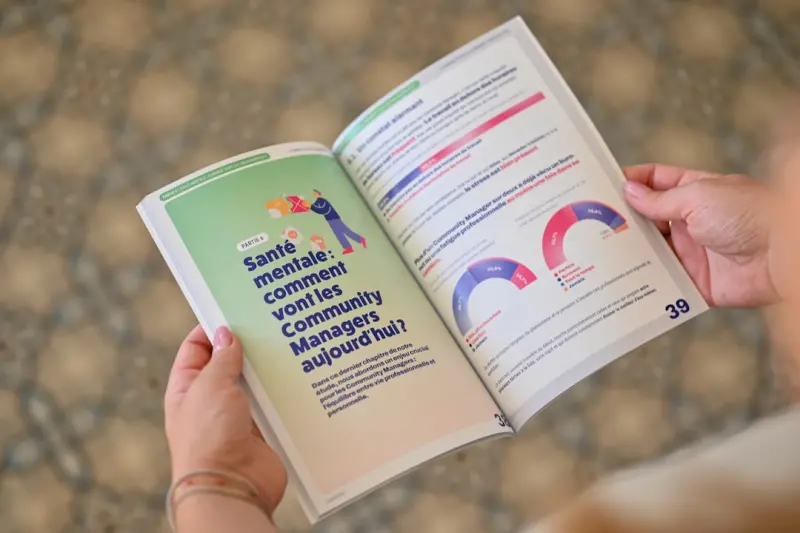
Social‑First Customer Success: Turning Communities into Growth Engines
Discover a fresh social media strategy that transforms niche community platforms into a real‑time ... Read More
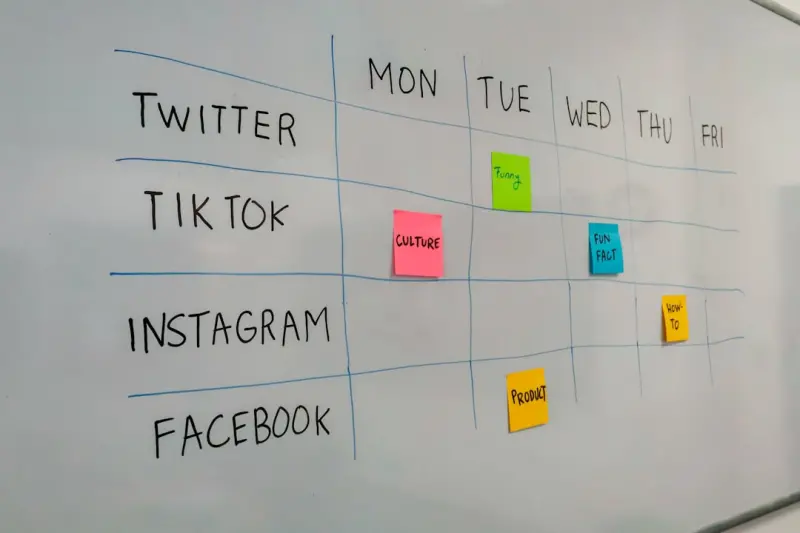
Crafting a Resilient Social Media Strategy: The Calendar‑First Method
A calendar‑first approach lets brands harmonize timeless content with spontaneous trends, creating... Read More

Crafting a Human‑Centric Social Media Strategy That Converts
Learn how to design a human‑centric social media strategy that resonates, converts, and adapts to ... Read More
Top Posts

Crawl Budget Mastery: Data‑Driven Strategies for Large Sites
Learn how to audit, prioritize, and refine crawl budget with server tweaks, structured data, and smart site architecture for massive sites....Read More

The Psychology Behind On-Page SEO: Persuading Users and Crawlers Alike
Learn the science of on‑page SEO: from intent‑first copy and persuasive meta tags to structured data and performance tweaks that win both users and search e...Read More

Turning Your Team into a Social Media Powerhouse
Learn a step‑by‑step framework for building a high‑impact employee advocacy program that aligns with the buyer journey, drives qualified leads, and scales...Read More

The Untapped SEO Leverage Hidden in Mobile Crawlability
Mobile crawlability is the foundation of modern SEO. This post reveals why Google’s mobile‑first index matters, how to audit and fix mobile sitemaps, JavaSc...Read More
0 Comments
Post Comment
You will need to Login or Register to comment on this post!