

Why Employee Advocacy Is the Missing Link in Your Social Media Strategy
In the crowded world of SaaS marketing, the loudest voices aren’t always the brand’s official accounts. The quiet, everyday conversations of your engineers, support reps, and salespeople can become the most authentic, high‑impact social signals if you give them the right platform and guidance. This post explores how turning your internal talent into a coordinated social media engine can amplify reach, accelerate trust, and generate pipeline—without the expense of paid ads or the volatility of viral trends.
The Power of Authenticity in a Trust‑Starved Market
Prospects today are skeptical of polished brand messaging. They crave real stories from real people. When a product manager shares a behind‑the‑scenes look at a new feature, or a support engineer posts a quick tip on solving a common integration snag, the content feels less like a sales pitch and more like a helpful conversation. Studies show that content from employees receives up to 8× higher engagement than brand‑only posts, and the perceived credibility can shorten the sales cycle by weeks.
From Passive Employees to Active Advocates: A Structured Blueprint
Creating a thriving employee advocacy program isn’t about handing out a few hashtags and hoping for the best. It requires a systematic approach that aligns with your broader marketing goals. Below is a step‑by‑step framework you can implement in a 90‑day sprint.
- Identify the Champions. Use internal data (e.g., LinkedIn activity, participation in webinars, internal community leadership) to pinpoint employees who already engage publicly. Look for natural storytellers, not just senior executives.
- Define Clear Objectives. Are you aiming for brand awareness, lead generation, talent acquisition, or product education? Each goal dictates the type of content and the metrics you’ll track.
- Build a Content Repository. Centralize pre‑approved posts, images, video snippets, and micro‑copy that employees can customize. This reduces friction and ensures brand consistency while preserving personal voice.
- Equip With the Right Tools. A dedicated advocacy platform (or a well‑structured internal hub) lets you push content, track shares, and reward top performers. Integration with your CRM helps attribute pipeline back to employee activity.
- Train and Coach. Offer short, practical workshops on platform best practices, storytelling techniques, and compliance guidelines. Role‑playing common scenarios can boost confidence.
- Measure, Iterate, Scale. Track impressions, click‑through rates, and downstream leads. Use A/B testing to refine content formats. Celebrate wins publicly to reinforce participation.
Aligning Employee Content with the SaaS Buyer Journey
Each stage of the buyer’s journey—Awareness, Consideration, Decision—benefits from a distinct type of employee‑generated content.
- Awareness. Engineers can share “why we built it this way” videos that position your product as innovative. These pieces should be educational rather than promotional.
- Consideration. Customer success managers can publish case‑study snapshots or short demos that address common pain points. This builds relevance and trust.
- Decision. Sales leaders can host live Q&A sessions on LinkedIn or Twitter Spaces, directly answering objections in a transparent setting.
When the content aligns with the buyer’s mindset, the employee’s voice feels like a natural guide rather than a hard sell.
Integrating Advocacy with Existing Content Initiatives
Employee advocacy should complement—not replace—your existing content engine. For example, a newly released AI‑Powered Interactive Content piece can be broken down into bite‑sized snippets for staff to share, each highlighting a specific feature or insight. Similarly, a community‑generated blog post can be amplified through the When Your Customers Write Your Blog initiative, creating a virtuous loop of co‑creation and distribution.
Compliance and Brand Safety: Walking the Tightrope
One common hesitation is the risk of off‑brand or non‑compliant messaging. Mitigate this by:
- Providing clear brand guidelines in an easily digestible format.
- Setting up an approval workflow for high‑risk content (e.g., product roadmap hints).
- Using automated monitoring tools that flag potentially problematic language before it goes live.
By establishing these guardrails, you empower employees while protecting the brand’s reputation.
Rewarding Advocacy: From Recognition to Real ROI
Gamification can turn advocacy into a habit. Offer badges, leaderboards, and quarterly awards for top contributors. Tie performance metrics to tangible incentives—such as bonuses, professional development budgets, or extra vacation days. When employees see a direct link between their social activity and personal benefit, participation spikes.
Case Study: A Mid‑Size SaaS Firm’s 6‑Month Turnaround
Consider a SaaS company that launched an employee advocacy program in Q1. By month two, the sales team’s LinkedIn posts accounted for 30% of total social impressions. By month six, the pipeline attributed to employee shares grew by 45%, and the cost per lead dropped 28% compared to the same period last year. The secret? Consistent content cadence, clear KPI tracking, and a simple reward system that recognized both volume and quality of shares.
Measuring Success: Metrics That Matter
Beyond vanity metrics, focus on the following data points:
- Reach and Impressions. How many unique eyes see employee content?
- Engagement Rate. Likes, comments, and shares per post.
- Referral Traffic. Visits to your site originating from employee posts.
- Qualified Leads. Leads that meet your MQL criteria and trace back to advocacy.
- Revenue Attribution. Closed‑won deals where the first touchpoint was an employee share.
Use a unified dashboard that pulls data from social platforms, your CRM, and your advocacy tool to paint a holistic picture.
Scaling the Program Across Global Teams
If your SaaS product serves a worldwide audience, consider localized advocacy. Provide region‑specific content assets, translate key messages, and empower local champions who understand cultural nuances. This approach amplifies relevance and respects diverse audience expectations.
Future‑Proofing: The Role of Emerging Platforms
While LinkedIn remains a powerhouse for B2B, newer platforms—such as Clubhouse‑style audio rooms, TikTok for B2B storytelling, and enterprise‑focused communities like Slack or Discord—offer fresh avenues for employee voices. Early adopters who experiment with these formats can capture niche audiences before the space becomes saturated.
Bottom Line: Turn Your Workforce Into a Sustainable Growth Engine
Employee advocacy is more than a marketing gimmick; it’s a strategic lever that aligns your internal expertise with external demand. By systematically identifying champions, equipping them with the right tools, and measuring impact, you create a self‑reinforcing cycle of authentic content, heightened trust, and measurable pipeline growth. The result is a social media strategy that scales with your product, resonates with prospects, and turns every employee into a brand ambassador.

Related Posts
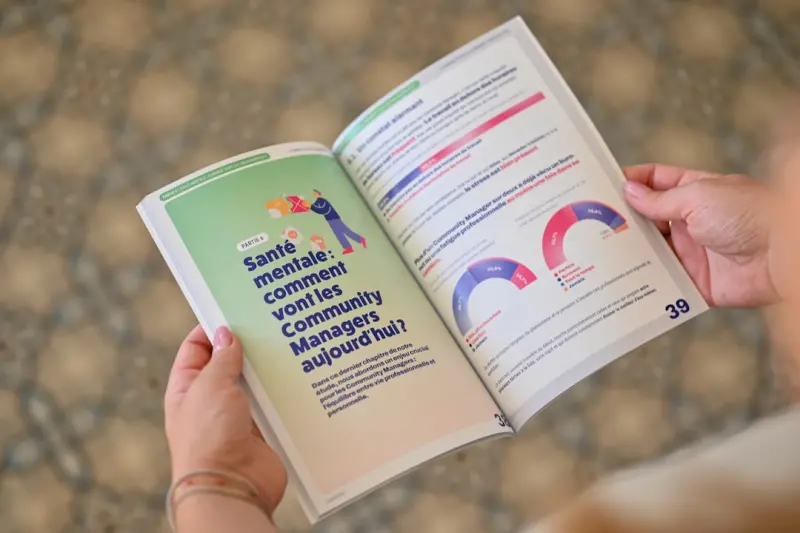
Social‑First Customer Success: Turning Communities into Growth Engines
Discover a fresh social media strategy that transforms niche community platforms into a real‑time ... Read More
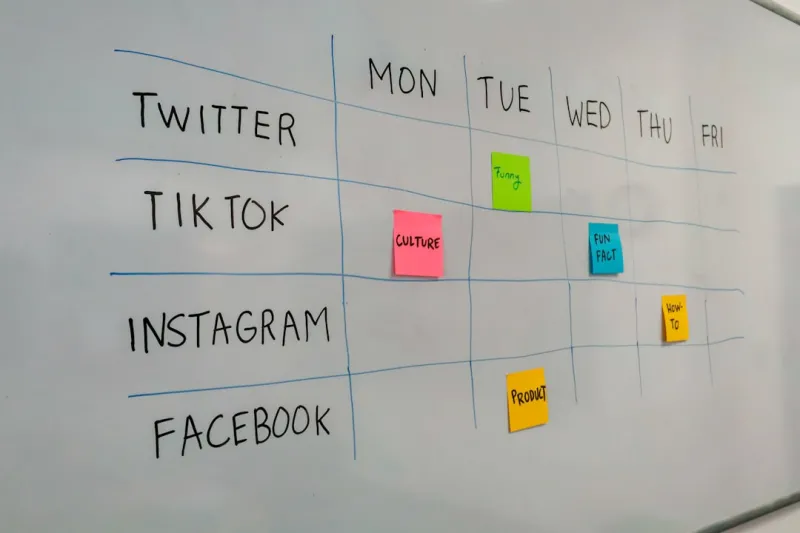
Revolutionizing Your Social Media Strategy: A Comprehensive Guide to Success
Learn how to create a comprehensive social media strategy that drives real results for your business... Read More

Human‑Centric Social Media Strategies That Turn Followers Into Fans
Learn how to shift from vanity metrics to genuine connection with human‑centric social media strat... Read More
Top Posts

Hyper‑Local Partnerships: The New Frontier for Local SEO Success
Learn how forming authentic partnerships with local influencers and businesses can amplify your visibility, earn quality backlinks, and boost foot traffic throu...Read More

The Review Engine: Turning Customer Feedback into Local SEO Gold
Learn how to transform user reviews into a powerful local SEO strategy for SaaS, from building a review funnel to optimizing schema, creating geo‑specific lan...Read More

Playful Planet: How Sustainable Toys Are Redefining Childhood Fun
Explore the rise of sustainable toys, their benefits, and practical tips for families to make greener play choices that nurture both imagination and the planet....Read More
Community‑Powered Content Hubs: The New Engine for B2B SaaS Growth
Learn why shifting from a traditional content factory to a community‑powered hub can multiply content output, improve trust, and drive sustainable growth for ...Read More
0 Comments
Post Comment
You will need to Login or Register to comment on this post!