

Why Intent‑First Copy Beats Keyword Stuffing Every Time
When I first stepped into the world of on‑page SEO, I quickly learned that search engines are no longer satisfied with blunt keyword repetition. Modern crawlers have become adept at interpreting user intent, and they reward pages that satisfy that intent with higher rankings. The shift means we must start each page by asking: “What problem is the visitor trying to solve?” From there, the content should flow like a conversation, weaving the primary keyword naturally into a narrative that answers the question. This approach not only pleases algorithms but also keeps readers engaged, reducing bounce rates and increasing dwell time—signals that further reinforce relevance. Think of your headline as the promise you make to the reader, and the first 150 words as the handshake that confirms you can deliver. By anchoring every sentence to the core intent, you create a cohesive experience that satisfies both humans and bots, turning a simple landing page into a high‑performing asset.
Crafting Title Tags and Meta Descriptions That Speak to the Brain
Title tags and meta descriptions are the first touchpoints in the SERP, and they have a surprising amount of psychological weight. Research shows that users respond to curiosity triggers, urgency cues, and clear benefits. When I write a title, I ask myself: “What specific outcome will the reader get, and why should they care right now?” A well‑crafted title might include a power verb, a numeric promise, or a question that sparks intrigue—all while keeping the primary keyword near the front for relevance. The meta description acts as the sub‑headline, offering a concise answer and a call‑to‑action that encourages clicks. Keep it under 160 characters, use active language, and sprinkle in a benefit that aligns with the searcher’s intent. By aligning these elements with human psychology, you improve click‑through rates, which signals to Google that your page is a valuable match for the query.
Semantic HTML: Giving Structure a Voice
Search engines read HTML like a language, and semantic tags are the grammar that makes sense of that language. Using <h1> for the main headline, <h2> for primary sections, and <h3> for sub‑points creates a clear hierarchy that both users and crawlers can follow. This hierarchy also helps screen readers, boosting accessibility—a factor that indirectly influences SEO. Beyond headings, proper use of <section>, <article>, and <aside> tags signals the role each block of content plays. When you embed a link to deeper resources, make the anchor text descriptive, not generic. For example, a link to hidden SEO wins can serve as both a helpful resource and a contextual signal that reinforces the surrounding topic. By treating HTML as a storytelling framework, you give search engines the context they need to rank your page higher.
Targeting Featured Snippets with Structured Answers
Featured snippets are the prized “position zero” that can drive massive traffic without a traditional click. To win them, you must present information in a concise, structured format that answers a direct question. Start by identifying common queries related to your topic using tools like Answer the Public or Google’s “People also ask” box. Then, craft a paragraph that directly addresses the question in 40‑50 words, using bullet points or numbered lists when appropriate. Include the target keyword early in the answer, and place the snippet‑friendly paragraph near the top of the page, preferably under an <h2> that mirrors the query. Adding a table or a comparison chart can also increase the odds of selection, as Google loves clear data sets. Remember, the goal is to be the quickest, most reliable source—so keep the language simple, factual, and free of fluff.
Image SEO: Turning Visuals Into Search Signals
Images are often the silent heroes of on‑page SEO, yet many marketers overlook their potential. Optimizing visuals begins with selecting high‑quality, relevant images that enhance the user’s understanding of the content. Once chosen, rename the file using descriptive, keyword‑rich language—think on-page‑seo‑intent‑diagram.jpg instead of IMG_1234.jpg. The alt attribute should serve as a concise, context‑filled sentence that describes the image for both accessibility and search engines. If the image conveys data, embed a brief caption that includes a keyword and a value proposition. Finally, use responsive image techniques (srcset) to ensure fast loading across devices, which ties back to Core Web Vitals. By treating images as another avenue for storytelling, you reinforce the page’s topical relevance and improve overall SEO performance.
Internal Linking: Building a Network That Guides Both Users and Bots
A well‑planned internal linking strategy acts like a roadmap, directing visitors to related content while passing link equity throughout your site. Begin by mapping out pillar pages—broad, authoritative pieces that cover core topics. From each pillar, link out to supporting articles that dive deeper into sub‑topics, and ensure those supporting articles link back to the pillar with descriptive anchor text. Avoid generic phrases like “click here”; instead, use natural language that tells the reader what they’ll find, such as “learn more about crafting a dynamic content strategy”. Limit the number of internal links per page to a reasonable amount—typically 2‑5 per 1,000 words—to prevent dilution. Regularly audit your link structure with tools like Screaming Frog to catch broken links and orphaned pages, ensuring that every piece of content contributes to a cohesive, crawlable ecosystem.
Core Web Vitals: The On‑Page Performance Checklist
Page speed and user experience have moved from nice‑to‑have to ranking essentials. Core Web Vitals—Largest Contentful Paint (LCP), First Input Delay (FID), and Cumulative Layout Shift (CLS)—measure the most critical aspects of performance that affect user satisfaction. Start by compressing images, leveraging modern formats like WebP, and serving them via a CDN to reduce load times. Minify CSS and JavaScript, and defer non‑essential scripts to improve LCP. For FID, prioritize interactive elements and eliminate heavy JavaScript that blocks the main thread. CLS can be tamed by specifying explicit dimensions for media assets and avoiding layout‑shifting ads. Use Google PageSpeed Insights or Lighthouse to identify bottlenecks, then implement fixes iteratively. A fast, stable page not only pleases users but also sends a strong signal to search engines that your content is worth ranking.
Data‑Driven Iteration: Testing, Learning, and Scaling On‑Page Wins
The final piece of the on‑page puzzle is a relentless commitment to testing and refinement. SEO is not a set‑and‑forget discipline; algorithms evolve, and user behavior shifts. Begin by establishing baseline metrics—organic traffic, bounce rate, average time on page, and conversion rates. Then, run A/B tests on headline variations, meta descriptions, and call‑to‑action placements. Tools like Google Optimize or Visual Composer make it easy to serve different versions to a subset of users. When a variation outperforms the control, roll it out site‑wide and document the change. Over time, compile a playbook of successful tactics, and cross‑reference them with broader strategies such as those discussed in hidden SEO wins. This data‑centric approach turns intuition into evidence, allowing you to scale on‑page improvements with confidence and keep your content ahead of the curve.

Related Posts
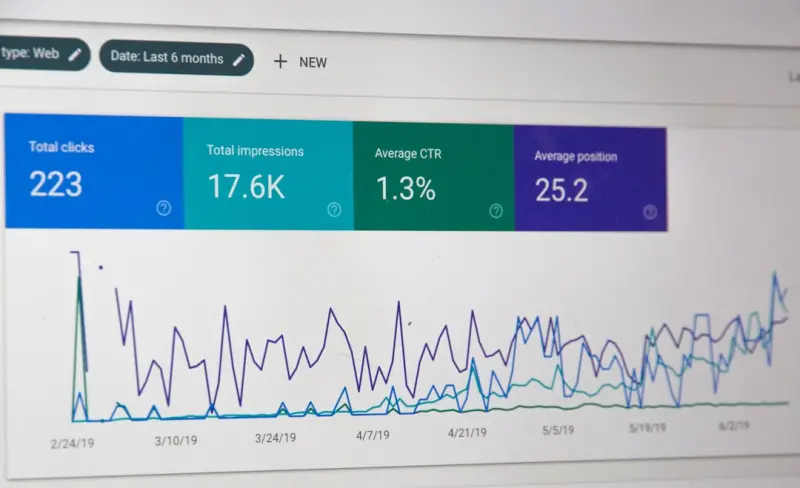
Turn Your SaaS Knowledge Base Into an SEO Powerhouse
This guide reveals a step‑by‑step framework to optimize SaaS knowledge‑base content for search... Read More

Semantic Power Moves: Redefining On‑Page SEO for SaaS
A deep dive into intent mapping, semantic markup, schema implementation, and performance tweaks show... Read More

The Psychology Behind High‑Impact On‑Page SEO
Learn to align on‑page SEO with human psychology—using attention patterns, cognitive biases, and... Read More
Top Posts

How Employee Advocacy Supercharges Your LinkedIn SEO
Leverage the power of your team to turn every employee profile into an SEO asset, amplifying content, boosting rankings, and expanding reach across LinkedIn’s...Read More
When Content Meets Product: A Playbook for Syncing Editorial and Engineering
Discover a step‑by‑step framework that embeds content creation into agile product sprints, leverages data feedback, and builds a modular content architectur...Read More

Playful Intelligence: How Adaptive Toys Are Redefining Childhood Imagination
A deep dive into the rise of adaptive toys that combine physical building blocks with smart technology, offering personalized storytelling, inclusive design, an...Read More

Link Building as Relationship Engineering: A SaaS Marketer’s Guide
Explore a fresh, relationship‑focused approach to link building that prioritizes relevance, value‑first outreach, and ongoing partnership nurturing, deliver...Read More
0 Comments
Post Comment
You will need to Login or Register to comment on this post!