

Why Voice Search Is Redefining On‑Page SEO Fundamentals
When I first heard a friend ask their smart speaker for a “best pizza place near me,” I realized that the old rulebook of keyword stuffing was already out of date. Voice assistants translate spoken language into conversational queries that are longer, more natural, and often framed as questions rather than fragments. This shift forces us to rethink every on‑page element—from headlines to meta tags—to mirror the way real people talk, because Google’s algorithm now prioritizes content that directly satisfies a spoken request. In practice, this means aligning page copy with the intent behind a query, not just the exact phrasing, and ensuring that the page can be parsed quickly by the voice indexer.
Mapping User Intent for Conversational Queries
Traditional SEO categories—informational, transactional, navigational—still apply, but voice introduces a fourth layer: micro‑intent, the subtle nuance that determines whether a user wants a quick fact, a step‑by‑step guide, or an immediate action. To capture this, I start each page by drafting a list of probable spoken questions and then grouping them into intent clusters, allowing me to tailor headings and subheadings that answer each cluster directly. By embedding these clusters naturally into the copy, the page signals relevance to both text and voice search engines, increasing the chance of landing in a featured snippet or a direct answer slot. This method also helps content teams avoid the temptation to overload a page with unrelated keywords, keeping the user experience crisp and purpose‑driven.
Structuring Content for Featured Snippets and Answer Boxes
Featured snippets are the crown jewels of voice search because they are the default spoken response for many queries. The secret sauce lies in concise, well‑formatted answers that sit near the top of the page, usually within a paragraph, list, or table. I make it a habit to place a clear, 40‑word answer immediately after the H1, followed by a supporting paragraph that expands on the point while staying on target. When the answer naturally fits a list format, I use ordered or unordered
- /
elements, which Google loves for “how‑to” snippets. By consistently delivering these bite‑size solutions, you teach the crawler that your page is the go‑to source for quick answers, boosting both snippet visibility and voice search traffic.
Leveraging FAQ Schema to Speak the Language of Voice Assistants
Schema markup is no longer a nice‑to‑have; it’s the lingua franca of voice assistants. Implementing FAQ schema transforms ordinary Q&A sections into machine‑readable data that can be pulled directly into a spoken response. I recommend crafting at least five to ten natural‑language questions that mirror the micro‑intents identified earlier, then pairing each with a concise answer under 50 words. This not only boosts the odds of appearing in the “People also ask” carousel but also provides a reliable source for voice platforms to cite, which can dramatically improve click‑through rates from organic search.
Optimizing for Local Voice Queries with Natural Language
Local search has always been a cornerstone of on‑page strategy, but voice adds a layer of immediacy that traditional SERPs can’t match. When a user says “find a coffee shop open now,” the engine expects a result that includes real‑time data like hours, distance, and a map snippet. To meet this demand, I embed structured data for opening hours, include a brief “near‑me” paragraph that mentions the city or neighborhood, and ensure the NAP (Name, Address, Phone) details are consistent across the site. By aligning the page copy with the conversational phrasing of local voice queries, you increase the probability that your business will be the voice‑assistant’s first recommendation.
Beyond Core Web Vitals: Engagement Signals That Matter for Voice
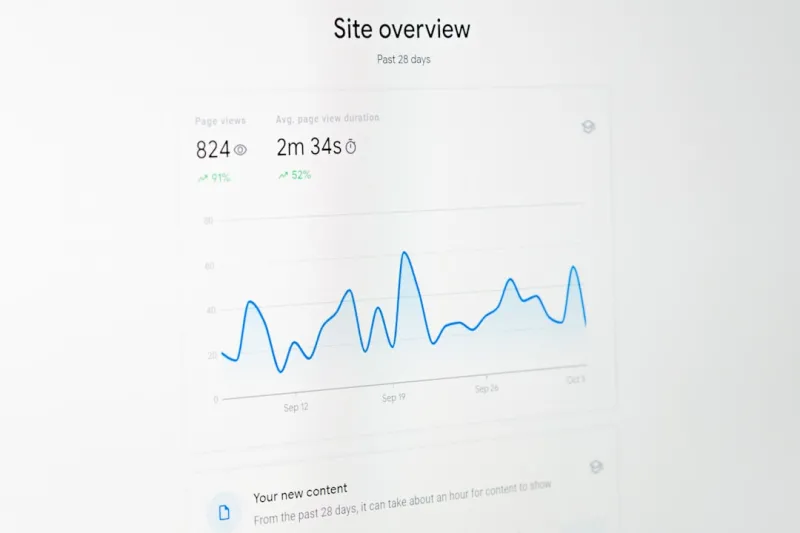
Google’s Core Web Vitals are still essential, but voice search also rewards pages that keep users engaged once the spoken answer leads them to click through. I monitor metrics like dwell time, scroll depth, and interaction rate to gauge whether visitors find the content useful beyond the snippet. A well‑structured page with clear calls‑to‑action, related internal links, and multimedia elements encourages deeper exploration, sending positive signals back to the algorithm. When these engagement metrics improve, the page’s authority in the eyes of both Google and voice assistants rises, creating a virtuous cycle of higher rankings and more spoken traffic.
Integrating Multimedia for a Richer Voice‑Ready Experience
Audio and video are becoming integral to on‑page SEO because they provide alternative pathways for voice assistants to source information. I always include a transcribed version of any video or podcast embedded on the page, using HTML5
<track>elements and a hidden<div>with the full transcript to ensure crawlers can read the content. Additionally, I add descriptive alt text to images and leverage image schema to give voice platforms more context. By treating multimedia as first‑class SEO assets, you not only enhance accessibility but also provide more data points for voice assistants to draw from, increasing the chance of your content being featured in rich answers.Keeping Content Fresh with Agile Updates and AI Summaries
In the fast‑moving world of voice search, stale content quickly loses relevance. I adopt an agile workflow where high‑performing pages are revisited every quarter, updating statistics, adding new FAQs, and refreshing the opening snippet to reflect the latest user intent trends. Leveraging AI tools to generate concise summaries can speed up this process, but I always human‑edit the output to maintain brand voice and factual accuracy. This continuous improvement signals to Google that the page remains a reliable source, which is especially important for voice assistants that prioritize up‑to‑date information when answering real‑time questions.
Final Thoughts: Turning Conversational SEO Into a Competitive Edge
The rise of voice search isn’t a fleeting fad; it’s a fundamental shift in how users discover information, and on‑page SEO must evolve accordingly. By mapping micro‑intent, structuring answers for snippets, deploying FAQ schema, and enriching pages with multimedia and fresh updates, you create a robust foundation that speaks directly to both users and voice assistants. As I’ve learned from countless experiments, the sites that win the voice battle are the ones that treat every on‑page element as a conversation starter, not just a ranking factor. Start applying these tactics today, and you’ll watch your organic traffic transform from a quiet whisper into a confident, audible presence across search.

Related Posts

On-Page SEO for SaaS: Evidence‑Based Tweaks That Actually Move the Needle
A practical, evidence‑based guide walks SaaS marketers through content audits, semantic HTML, UX s... Read More

Optimizing for the Future: How to Stay Ahead in On-Page SEO
Learn how to optimize your website for better search engine rankings with expert tips and trends in ... Read More
The Human‑Centric Blueprint for Modern On‑Page SEO
Learn how to revamp your on‑page SEO with a human‑centric approach that prioritizes intent, stru... Read More
Top Posts

Micro‑Content Hubs: How Small Creator Networks Are Redefining Authority
Explore the rise of micro‑content hubs, where focused creator networks deliver authentic, high‑engagement content that reshapes online authority....Read More

The Evolution of Content Strategy: Navigating the Shifting Landscape
The way we consume information has changed dramatically. Learn how to adapt to the shifting landscape of content strategy and stay ahead of the curve with mobil...Read More

The Empathy‑First Playbook for On‑Page SEO Success
Learn how to blend empathy with on‑page SEO tactics to create user‑focused pages that rank higher, keep visitors engaged, and turn traffic into loyal custom...Read More

Unlocking Crawl Budget: A SaaS Technical SEO Playbook
Learn how to optimize crawl budget for SaaS platforms by analyzing log files, cleaning up low‑value URLs, improving server performance, and automating technic...Read More
0 Comments
Post Comment
You will need to Login or Register to comment on this post!