
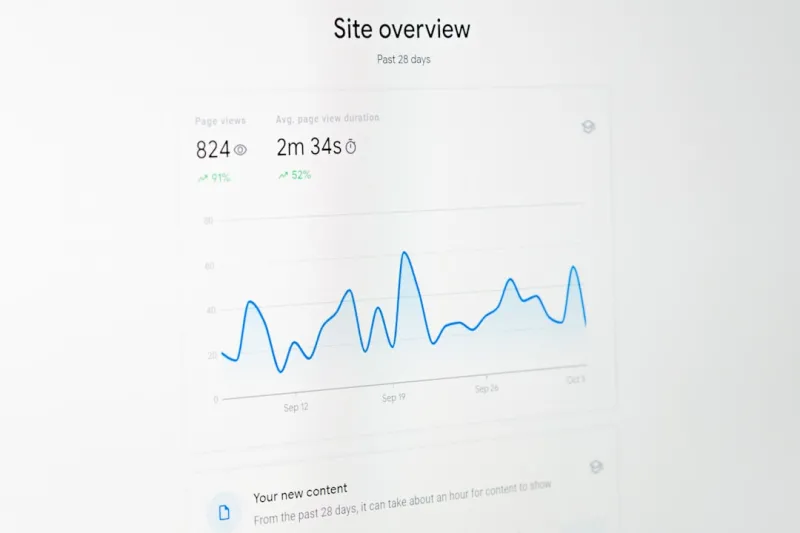
Why On‑Page SEO Is No Longer About Keywords Alone
In today’s search landscape, the old mantra of stuffing exact‑match keywords into every nook and cranny of a page has been replaced by a more nuanced, human‑first approach that treats the visitor as the true “searcher.” This shift is best captured by Human‑Centric SEO, which argues that relevance, intent, and emotional resonance now outweigh raw keyword density, forcing us to redesign our content pipelines from the ground up. As I walk through my own editorial process, I start with a story arc that solves a problem, then layer in semantic signals, ensuring each paragraph feels like a conversation rather than a checklist, and that the page’s on‑page SEO fundamentals—titles, headings, and meta data—serve the reader’s journey first and the algorithm second.
Reimagining Keyword Research Through Intent Mapping
Keyword research has evolved from a simple list of volume‑rich terms into a sophisticated map of user intent, where every phrase is a breadcrumb leading to a deeper need or desire. By analyzing search query patterns and pairing them with real‑world pain points, we can craft clusters that address the “why” behind each search, a technique illuminated in Decoding Google’s Human‑Centric Algorithm Evolution, which shows that Google now rewards pages that anticipate the user’s next question and provide a clear, empathetic answer. The result is a hierarchy of topics that feels natural to the reader, with primary keywords woven seamlessly into subheadings and body copy, turning a sterile list into a living narrative that guides the visitor from curiosity to conversion.
Structuring Content for Readers and Crawlers Alike
The architecture of a page—its headings, bullet points, and logical flow—must cater to both human eyes and search engine bots, a balance that is at the heart of modern on‑page SEO strategy. When I outline an article, I start with a clear H1 that promises a benefit, followed by H2s that break the promise into digestible sections, each peppered with relevant LSI terms that reinforce the main theme without sounding forced. This practice is echoed in Human‑Centric Content Trends That Are Shaping the Future of Storytelling, which highlights the power of narrative arcs and visual hierarchy in keeping readers engaged while signaling topical relevance to crawlers, ultimately boosting both dwell time and SERP visibility.
Crafting Meta Tags That Speak, Not Shout
Meta titles and descriptions have become the first touchpoint of a brand’s empathy, a concise pitch that must entice a human while satisfying algorithmic criteria. I treat the meta title as a headline for a news article: it should be clear, compelling, and under 60 characters, embedding the primary intent phrase naturally. The meta description, meanwhile, acts like a mini‑elevator pitch, summarizing the page’s value proposition in 150‑160 characters, using active language and a call‑to‑action that resonates with the searcher’s problem. By aligning these elements with the page’s core message, we create a cohesive signal chain that guides the user from the SERP straight into the content, reducing bounce rates and sending positive feedback loops to Google.
Optimizing Images and Multimedia for Human Consumption
Visual assets are no longer decorative afterthoughts; they are integral to the user experience and a powerful SEO lever when optimized correctly. I start by naming image files with descriptive, keyword‑rich phrases that reflect the content’s context, then write alt text that not only describes the visual but also conveys the intended message to screen readers, merging accessibility with relevance. Compressing images to balance quality and load speed, adding structured data for video, and providing transcripts for audio all contribute to a richer, faster page that respects the visitor’s time and attention, a practice that modern search engines reward with higher rankings and better visibility in image‑search results.
Strategic Internal Linking That Guides the User Journey
Internal links act as the nervous system of a website, directing traffic, distributing link equity, and reinforcing topical authority across related pages. I employ a hierarchical approach, linking from high‑authority pillar pages to supportive cluster content using natural, descriptive anchor text that mirrors the target page’s focus, avoiding generic terms like “click here.” This strategy not only helps crawlers understand the site’s topical clusters but also creates a logical pathway for readers to explore deeper insights, increasing average session duration and signaling to Google that the site offers comprehensive coverage of its niche.
Performance Metrics: Speed as an Expression of Empathy
Page speed is a silent promise of respect for the user’s time, and with Core Web Vitals now a ranking factor, it has become a non‑negotiable pillar of on‑page optimization. I audit every page with tools like PageSpeed Insights, targeting a LCP under 2.5 seconds, a CLS below 0.1, and an FID under 100 ms, then implement lazy loading, server‑side rendering, and critical CSS inlining to meet those thresholds. By delivering content swiftly, we reduce friction, lower bounce rates, and demonstrate an empathetic understanding of the modern user’s expectations, all of which translate into stronger rankings and higher conversion rates.
Mobile‑First Design: The New Front Door to Your Content
With mobile devices now accounting for the majority of web traffic, designing for small screens first is no longer optional—it’s the foundation of any effective on‑page SEO strategy. I employ responsive layouts, touch‑friendly navigation, and readable typography that scales gracefully across devices, while ensuring that interactive elements are easily tappable and accessible. By prioritizing mobile usability, we not only satisfy Google’s mobile‑first index but also create a frictionless experience that keeps users engaged, encourages sharing, and ultimately drives higher organic visibility.
Leveraging Structured Data to Enhance Human Understanding
Schema markup provides search engines with explicit context about a page’s content, enabling richer search results that answer user questions before they even click. I implement FAQ, How‑To, and Review schema where appropriate, crafting concise, human‑readable answers that mirror the language used in the page body, thereby reinforcing relevance and credibility. These rich snippets act as a visual promise of value, increasing click‑through rates and guiding users straight to the information they seek, while also feeding Google the semantic cues needed to rank the page for related queries.
Continuous Testing and Optimization: The Feedback Loop of Success
The final piece of the on‑page SEO puzzle is an iterative mindset that treats every metric as a hypothesis to be validated through A/B testing, heat‑map analysis, and conversion rate optimization. I regularly experiment with headline variations, call‑to‑action placements, and content length, using tools like Google Optimize to measure the impact on dwell time, scroll depth, and conversion events. This data‑driven approach ensures that the page evolves with audience expectations, keeping the user experience fresh, relevant, and aligned with search engine signals, ultimately sustaining long‑term ranking stability and business growth.

Related Posts

Semantic Site Architecture: How Structured HTML Elevates On‑Page SEO
Semantic HTML isn’t just for developers—its clear structure, accessibility benefits, and impact ... Read More

Reimagining On‑Page SEO: Harnessing User‑Centric Internal Architecture
Explore how a user‑centric internal linking strategy, combined with semantic HTML and expanded str... Read More

From Keywords to Context: A Pragmatic On‑Page SEO Playbook for SaaS
Discover a practical on‑page SEO framework that starts with user intent, builds topic clusters, an... Read More
Top Posts

Beyond Keywords: How Google’s Algorithms Read Structured Data in the Generative AI Era
Google’s algorithms now treat schema markup as a core learning source for AI models. This post shows why structured data matters for B2B SaaS, offers a practi...Read More
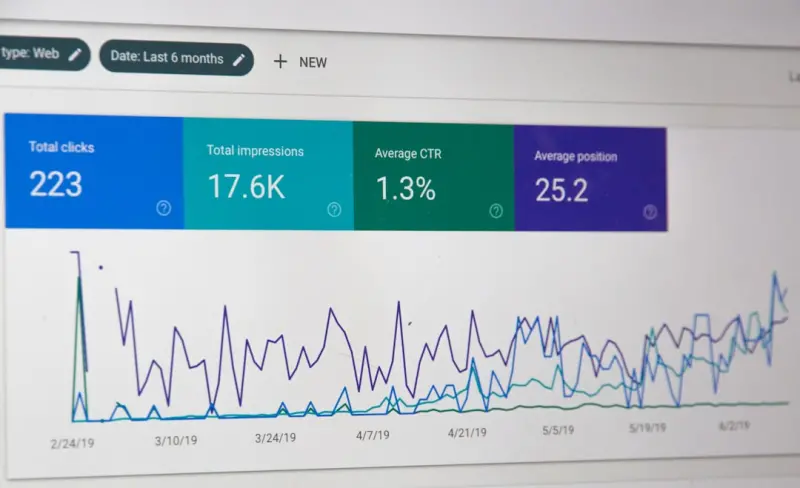
Unlocking Crawl Efficiency: Technical SEO Tactics for High‑Scale SaaS
A deep dive into advanced technical SEO tactics— from crawl budget optimization and edge caching to API documentation schemas—designed to help high‑scale ...Read More

Immersive AR: Redefining Content Strategy for Modern Audiences
Explore how augmented reality is transforming content creation, driving deeper engagement, and unlocking new SEO benefits. Practical tips guide marketers to int...Read More

Embedding Technical SEO into Your CI/CD Pipeline: A Developer‑First Playbook
Integrating technical SEO into CI/CD turns SEO into a continuous, code‑driven practice. This playbook shows how to automate schema validation, crawl‑budget ...Read More
0 Comments
Post Comment
You will need to Login or Register to comment on this post!